Why a Bulk SMS Campaign Gateway Hits Physical Limits at 512 SIM Slots
📑 Table of Contents
- Why a Bulk SMS Campaign Gateway Hits Physical Limits at 512 SIM Slots
- Why Stacking SIM Slots Is Risky
- SMPP vs HTTP API: The Underlying Trade-Off
- Load Balancing: Avoiding a Carrier Massacre
- Architect Rapid-Fire Q&A
The 512-Slot Nightmare: Inside the Physical Limits of a Bulk SMS Campaign Gateway
A fully loaded 512-SIM gateway running at peak generates internal heat comparable to a small space heater. Most architects spend 90% of their energy on “getting the API to work” and ignore the absolute limits of the physical layer. When a power rail sags for even 0.1 seconds, all 512 cards drop offline simultaneously—yet your dashboard keeps spitting out “200 OK.” Today, we skip the software talk and focus on the physical pressure limits and protocol trade-offs of a bulk SMS campaign gateway under high concurrency.
Why Stacking SIM Slots Is Risky
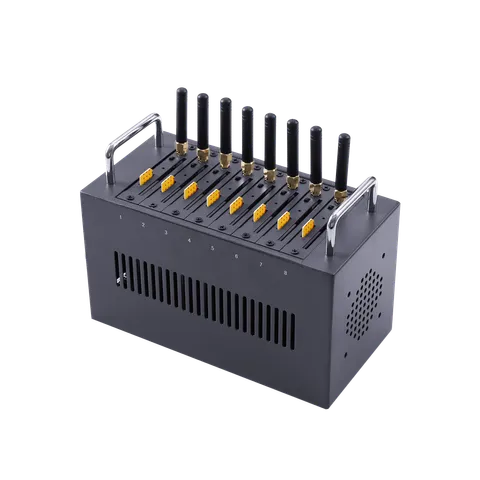
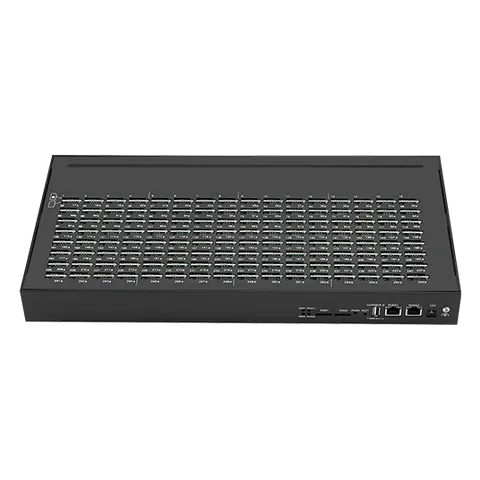
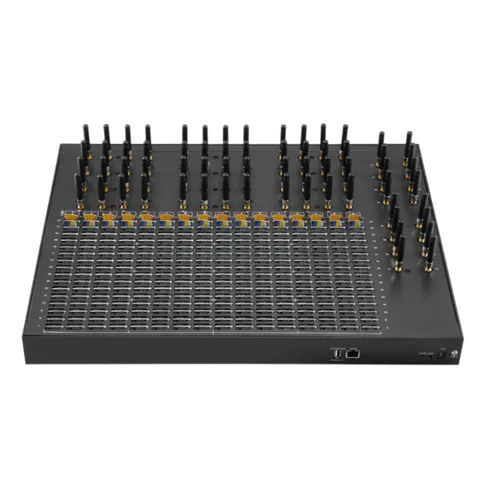
Many technical leads fixate on the spec sheet number: “how many cards can it hold?” But the real engineering challenge is power redundancy and thermal dissipation. The Telarvo SK-SMS Gateway 32-512 packs 512 SIM slots. When those 512 cards simultaneously attempt 4G network attach, the motherboard’s instantaneous power draw is enormous. Without stable redundant power, module reboots are inevitable. Before racking this $1,690 unit, verify your cabinet can supply independent PDU power and adequate cold airflow.
Reliability data shows that for every 10°C rise in internal temperature, the mean time between failures (MTBF) of electronic components roughly halves. Telarvo’s industrial-grade cooling is designed for this, but only if your rack isn’t a hot box. Power purity matters too: cheap facility power with frequent voltage swings can back-surge through the SIM interface and fry modules. An online UPS filters noise and keeps all 512 cards running on clean power.
SMPP vs HTTP API: The Underlying Trade-Off
Never mix protocols—this is the most common beginner trap. If you’re pushing hundreds of thousands of messages to a marketing platform, use SMPP. Per IDT Express’s protocol documentation, SMPP runs over persistent TCP connections with binary PDUs, keeping connection overhead extremely low. A single bind supports 50–300 messages per second; multi-bind parallelism can reach thousands per second.
HTTP API suits lightweight web triggers or internal management systems. HTTP is stateless—every request requires a full TCP three-way handshake and four-way teardown. Under OTP-level concurrency, HTTP overhead scales exponentially and crushes the gateway’s web process.
One detail architects routinely miss: SMPP’s deliver_sm receipt lets you distinguish “submitted to carrier” from “delivered to handset.” For financial notifications or high-value OTPs, that distinction is critical. If your system only relies on HTTP API callbacks, you have no diagnostic path when a customer says “I never got it.” After migrating to SMPP binds, deliver_sm acts like radar—you see every message’s final fate in real time.
| Physical Trap | Telarvo Hardware Response |
|---|---|
| Cabinet power overload | SK-SMS 32-512 needs dedicated high-spec power to prevent reboots |
| Thermal throttling under load | Industrial-grade cooling keeps 512 cards running at full load |
| Single-point network loss | Native 2G/4G auto-detect and seamless switch |
| Wrong protocol choice | Exposes both SMPP and HTTP API; switch by scenario |
Load Balancing: Avoiding a Carrier Massacre
Filling every slot doesn’t mean you’re safe. Without scientific rotation rules, a single SIM blasting at high concurrency will trigger carrier risk control. The carrier NOC profiles abnormal traffic; once flagged as a spam source, the entire batch gets blacklisted.
Telarvo’s anti-blocking technology includes dynamic cross-SIM load balancing. In the API or admin panel, you set granular routing policies—cap each SIM at a safe threshold (e.g., 20–30 messages per hour) and enable auto-rotation so all 512 cards take turns. This preserves throughput while minimizing per-card risk.
For teams needing more flexibility, Telarvo’s SMS Modem line offers a lighter form factor with faster initialization—ideal for quickly adding multi-SIM send capacity without replacing the whole rack-level gateway.
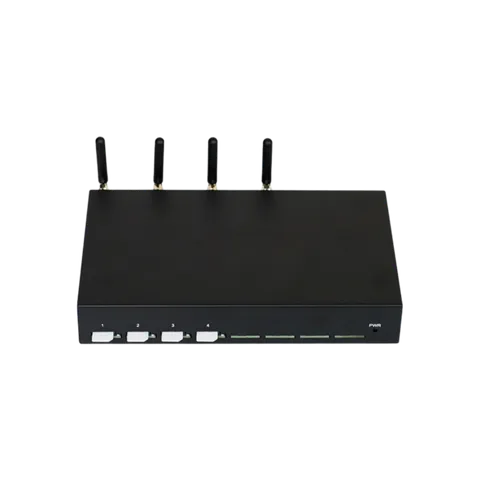
【About Telarvo】 For technical teams, Telarvo’s product line is a clear “building block” set. From the desktop-level 4-4 gateway for testing to the rack-level 32-512 beast, plus the flexible SMS Modem and Proxy Gateway, we don’t lock you into software. All devices run on native IP architecture, expose SMPP/HTTP API interfaces, and undergo strict thermal aging tests before shipment. If you’re planning a high-concurrency architecture, let’s talk.
💡 Architect Rapid-Fire Q&A
If the rack loses power at full load, does the device queue lose data? Yes. Memory buffers can’t survive physical power loss. Build persistent queues on your server side—don’t rely on hardware.
How big is the network overhead difference between SMPP and HTTP API? Orders of magnitude. HTTP re-handshakes on every receipt; SMPP uses long connections with tiny receipt packets. Above 10K concurrency, you must use SMPP.
My copy contains Chinese characters, UCS-2 doubles cost. What do I do? No protocol-level fix. Either transliterate to pinyin/English or accept multi-segment splitting and higher cost.
Why do messages die during 2G/4G band switching? Base station registration takes time. The device is blind during the switch window. Add an API-layer delay and wait until the card is fully online.
My code often gets 502 from the API—is the device dead? Not dead. Your instantaneous concurrency blew out the gateway’s web process. Add a rate limiter or switch to SMPP.
Does the device support fiber? No. Standard RJ45 gigabit copper. Large data centers should add a media converter upstream.
Sources:
- IDT Express — SMPP (Short Message Peer-to-Peer Protocol)
- GSMA — Mobile Economy Asia Pacific 2025
- GII Research — A2P SMS Market Size, Share, and Growth Analysis
Published: 2026-10-15 | Last Updated: 2026-10-27 Corrections or feedback: [](telarvo )
Blog
Learn more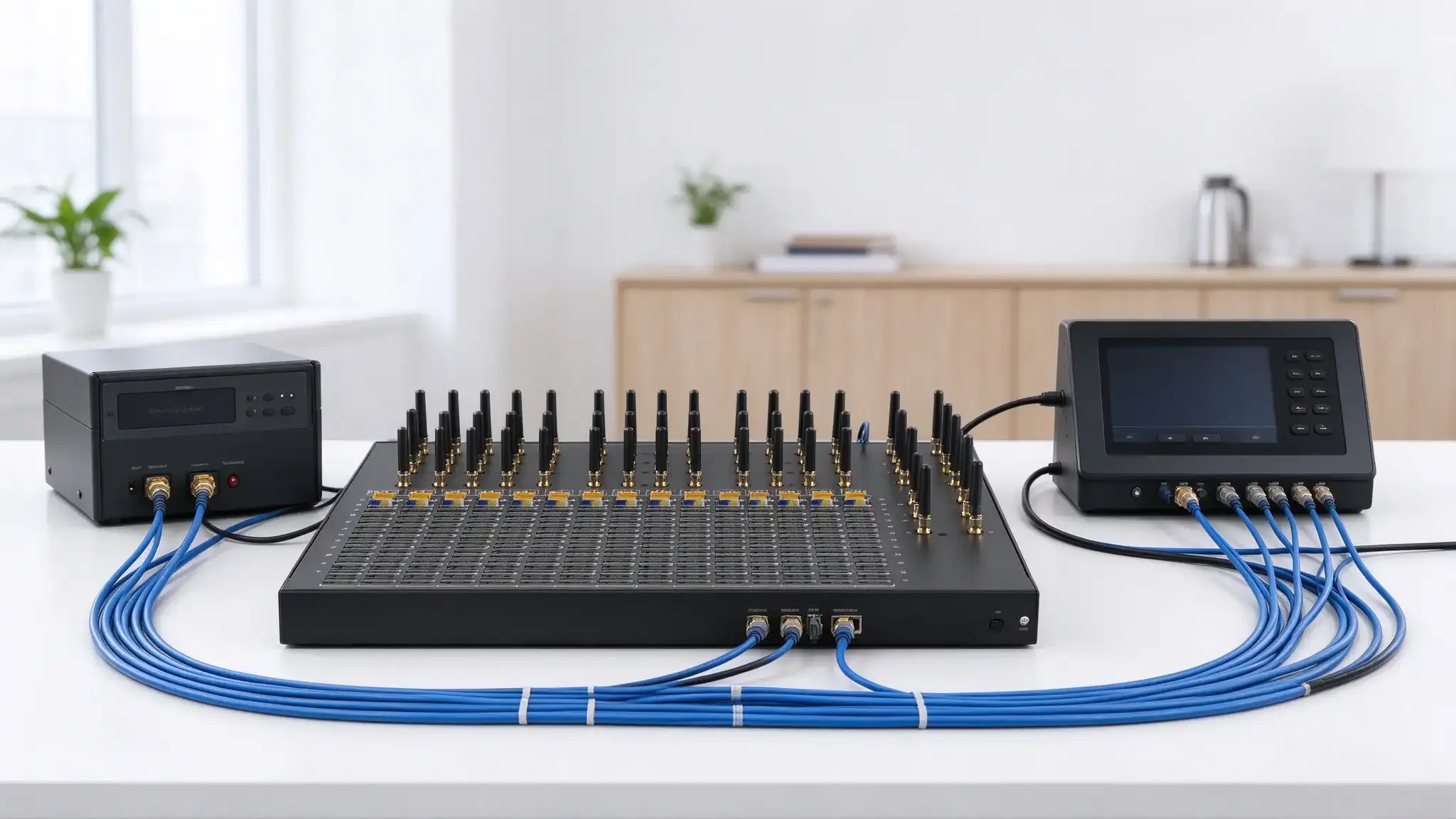
API Integration Logic of SMS Gateway Multi SIM Capacity: Why Protocol Choice Precedes Port Count
Why protocol choice matters more than port count when integrating an SMS gateway multi SIM capacity. Explains SMPP vs HTTP API boundaries, deliver_sm receipt tracking, API-driven SIM rotation, and multi-country deployment consistency.
Cutting OTP Delays with Multi SIM Capacity in Your SMS Gateway Installation Steps
Stop OTP delays. Discover how deploying a multi-SIM capacity gateway with 2G/4G auto-switching and cross-carrier routing protects your conversion rates.
How SMS Gateway Multi SIM Capacity Withstands the OTP Storm: A 3-Second Delay Doubles User Churn
How SMS gateway multi SIM capacity architecture defends OTP delivery against carrier risk control and network fluctuation. Covers parallel processing, cross-SIM load balancing, dual-network redundancy, and API-level delivery monitoring for mission-critical verification systems.