How SMS Gateway Multi SIM Capacity Withstands the OTP Storm: A 3-Second Delay Doubles User Churn
A leading fintech app once saw its registration conversion rate plummet the same day because SMS verification codes were delayed by十几 seconds during a user acquisition campaign. In fintech and e-commerce, OTP delivery rate is the lifeline. Latency, packet loss, carrier blocking—any one of these failing means real user loss. Counterintuitively, many enterprises try to ensure delivery by adding more send channels, only to trigger stricter carrier risk control. A single carrier’s SIM card sending at high concurrency in a short window is easily flagged as anomalous. The fix isn’t stringing more lines—it’s a hardware architecture built on “high-concurrency parallelism + multi-carrier dispersion.” Sinch’s industry data shows 61% of consumers expect 2FA messages to arrive within one minute. That time window is the bottom line any OTP system must defend.
Parallel Processing and Cross-Card Load: Breaking the Carrier Risk Control Deadlock
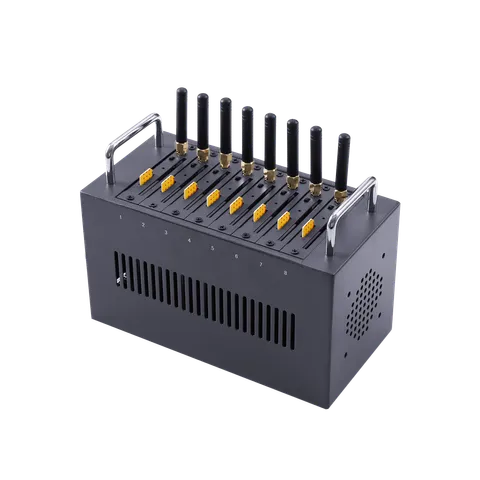
Telarvo’s 64-port SMS modem supports parallel message sending. The logic: disperse traffic through cross-SIM load balancing across multiple carriers, drastically reducing dependence on any single carrier and improving verification success rates. In ticketing and financial alert scenarios, extremely low latency and high stability are non-negotiable. Academic research confirms that load-aware dynamic scheduling strategies can reduce SMS delivery failure rates from about 3.5% to below 1.5%, and shorten channel failure recovery time to within 5 seconds. Here’s how a system designed for mission-critical alerts is structured:
| Security & Stability Requirement | Telarvo Device Technical Response |
|---|---|
| Severe peak congestion | 64-port parallel sending, platform rated throughput 5,440 msg/min |
| Single-carrier SIM blocking | Cross-SIM load balancing, multi-carrier flexible routing, anti-blocking mechanism |
| Network signal fluctuation | 2G/4G dual-network redundancy, auto-switching, lower message failure rate |
| System control & audit | SMPP/HTTP API support, real-time monitoring, full send status visibility |
API Real-Time Monitoring: Every Send Has a Trace
You think plugging in all the SIM cards solves everything? If the software layer can’t monitor and control send status in real time, risk remains. By connecting to the enterprise’s own server via SMPP or HTTP API, operations teams can monitor each message’s send status, routing path, and delivery report in real time. According to IDT Express’s SMPP glossary, SMPP supports the deliver_sm command to receive delivery receipts, letting enterprises precisely track each OTP’s final state. Once an anomaly appears on any channel, the system can immediately trigger alerts and auto-switch routes.
Data Privacy and Internal Communications: Keep Security in Your Own Hands
Internal alert notifications and internal messaging require lower latency and fuller system control. By connecting to the enterprise’s own server via API, internal systems can send messages directly through SIM cards without going through third-party gateways. Telarvo’s local-first architecture means message data and delivery records are processed by the enterprise’s own platform and devices, not dependent on a hosted SMS platform’s online status. This not only speeds up sending but locks data privacy firmly in your own hands.
Ticketing and Transit Scenarios: Stability Verification Under High Concurrency
Before a large concert or exhibition, ticketing systems need to send e-tickets with QR codes and visitor verification SMS to tens of thousands of users in an extremely short window. This instantaneous high-concurrency scenario is the ultimate test of hardware performance. Telarvo devices, with 5,440 messages per minute rated throughput and parallel processing, can handle this traffic surge and ensure every user receives their entry credential in time.
Multi-Carrier Routing: Reducing Single-Point Failure Risk
Any carrier can experience network failures or maintenance windows. If an enterprise’s OTP verification system relies on a single carrier, the entire verification flow paralyzes when that carrier has an issue. Telarvo devices support multi-carrier flexible routing—when one carrier’s network shows anomalies, the system automatically switches traffic to other normal carriers’ channels.
Dual-Network Redundancy: The Last Defense Line When Signal Fluctuates
In mobile network environments, signal fluctuation is the norm. Telarvo’s dual-network redundancy design automatically switches networks when signal quality fluctuates, ensuring SMS transmission stability. This dual-network redundancy lowers message failure rates and improves uptime, making it ideal for bulk SMS, OTP delivery, and mission-critical alerts—scenarios with extreme reliability requirements.
Cooling and Firmware: Safeguards for Long-Hour High-Load Operation
OTP verification systems often need 7×24 uninterrupted operation. Device cooling systems and firmware stability directly determine long-term system reliability. Telarvo devices feature powerful cooling systems and rigorously tested stable firmware, ensuring no throttling or crashes from overheating under prolonged high-load operation. Telarvo provides a 12-month hardware warranty on every device, with technical support covering initial setup issues and API integration.
Frequently Asked Questions (FAQ)
What are the main causes of OTP verification code delays?
OTP delays typically stem from three causes: channel congestion queuing messages, single-carrier risk control blocking, and network signal fluctuation interrupting transmission. Telarvo devices address all three through parallel processing, cross-card load balancing, and dual-network redundancy.
How does multi-carrier routing improve verification success rates?
Multi-carrier routing disperses send tasks across different carriers’ channels, avoiding over-dependence on any single carrier. When one carrier’s channel is congested or blocked, the system auto-switches to other normal channels, significantly improving verification code delivery rates.
Does the device support integration with existing risk control systems?
Yes. The device provides SMPP and HTTP API interfaces for seamless integration with existing risk control systems, user management systems, and billing platforms. Operations teams can retrieve send status and delivery reports via API in real time.
How much concurrency can the device handle during ticketing peaks?
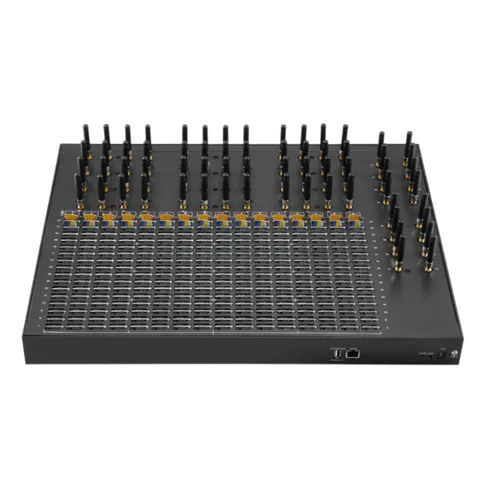
Telarvo’s 64-port device has a platform rated throughput of 5,440 messages per minute and supports 512 SIM card capacity. Actual sustained throughput depends on SIM inventory and carrier limits, but the parallel processing architecture is sufficient for instantaneous traffic surges during ticketing peaks.
Does dual-network redundancy switching affect message send status?
No. Dual-network redundancy switching is completed automatically at the device’s底层 level, and the process is nearly transparent to upper-layer applications. Message send status and delivery reports are returned normally.
How do I ensure the security of internal communications data?
By connecting the device directly to the enterprise’s own server via API, internal systems can send messages directly through SIM cards without going through third-party gateways. Telarvo’s local-first architecture ensures message data is processed by the enterprise’s own platform and devices.
About Telarvo
In OTP and mission-critical alert scenarios, hardware isn’t an “optional optimization”—it’s the physical bottom line of delivery rate. Telarvo’s device design logic always centers on one goal: letting messages find the most stable path through carrier network fluctuations and risk control. The SK-SMS Gateway series’ 512 SIM slots and cross-card load balancing aren’t for benchmark bragging—they’re to ensure every OTP dispatch during peak periods has multiple backup channels. We provide SMPP/HTTP API interfaces and real-time monitoring capability so operations teams can see every message’s trajectory. If your business has zero tolerance for “3 seconds late,” Telarvo’s engineering team can assist with a complete deployment plan from device selection to routing strategy.
Sources:
- IDT Express — SMPP Glossary
- Sinch — Domine a entregabilidade de SMS
- Telarvo Blog — Bulk SMS Machine with SIM Slots: Gateway Models Compared
Blog
Learn more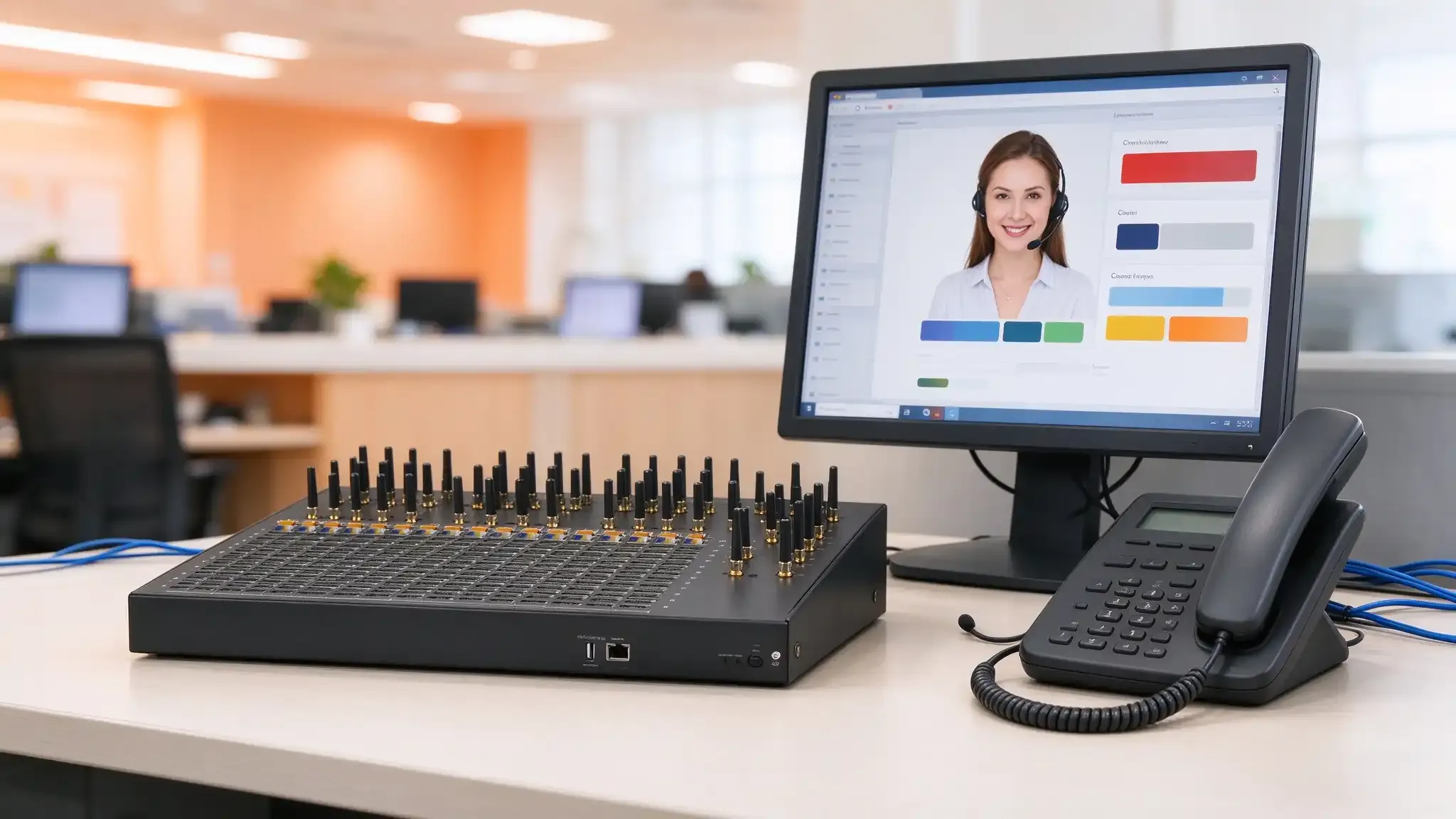
Why a Bulk SMS Campaign Gateway Hits Physical Limits at 512 SIM Slots
A 512-slot bulk SMS campaign gateway pushes power, heat, and protocol limits. See why SMPP beats HTTP and how SIM rotation avoids carrier blocks.
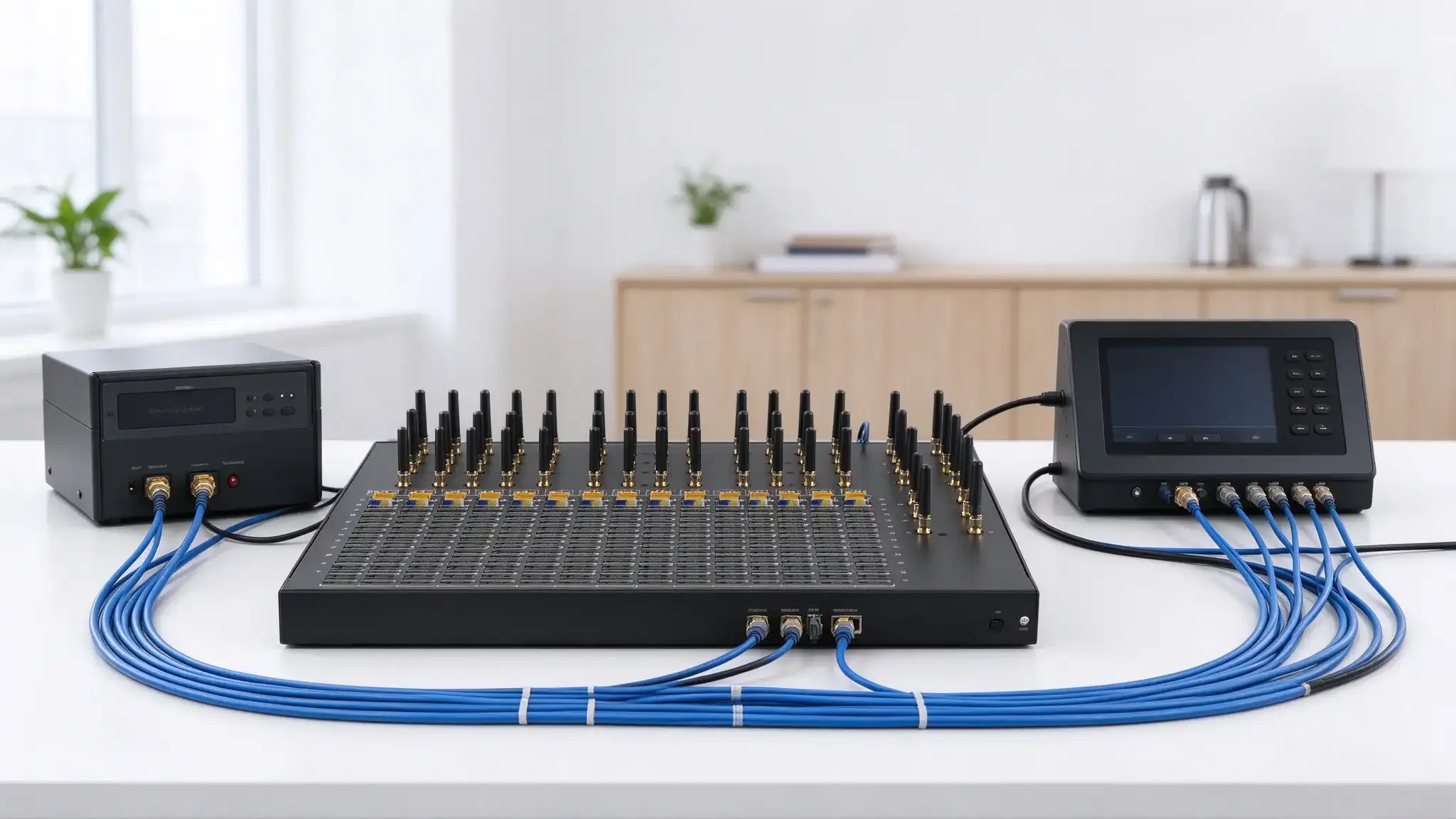
API Integration Logic of SMS Gateway Multi SIM Capacity: Why Protocol Choice Precedes Port Count
Why protocol choice matters more than port count when integrating an SMS gateway multi SIM capacity. Explains SMPP vs HTTP API boundaries, deliver_sm receipt tracking, API-driven SIM rotation, and multi-country deployment consistency.
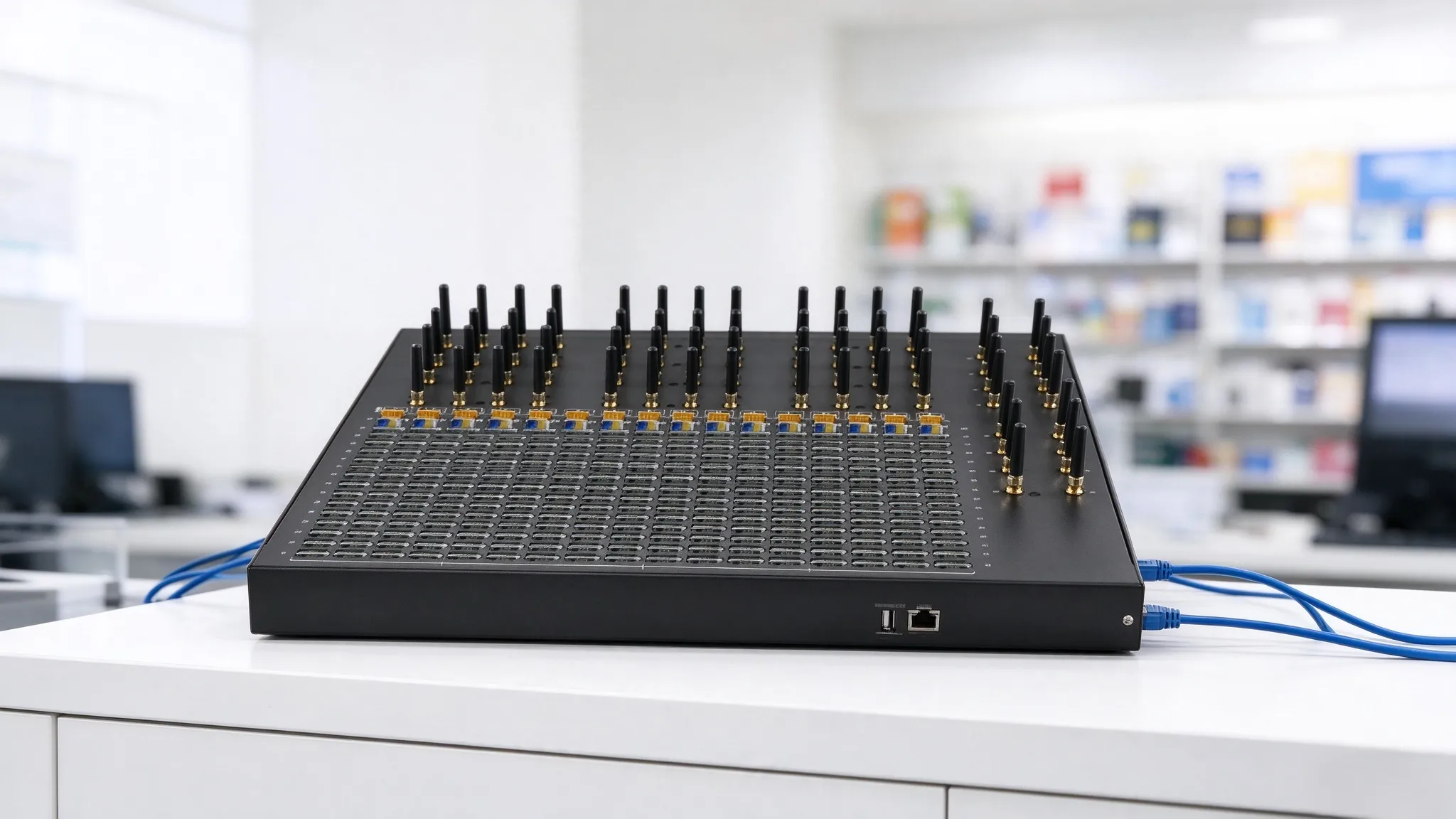
Cutting OTP Delays with Multi SIM Capacity in Your SMS Gateway Installation Steps
Stop OTP delays. Discover how deploying a multi-SIM capacity gateway with 2G/4G auto-switching and cross-carrier routing protects your conversion rates.