Cost-Effective SMS Gateway Suppliers: How to Choose the Right SMS Gateway Provider
Table of Contents
- Cost-Effective Does Not Mean Lowest Unit Price
- Three Types of SMS Gateway Providers Have Different Cost Logic
- When Telarvo Is Worth Prioritizing for Evaluation
- How to Build a Fair Supplier Cost Comparison
- What Information to Provide When Requesting a Telarvo Quote
- FAQ
- Conclusion: Decide Based on Scenarios and Total Cost, Not a Single Price
No single provider has the lowest total cost across every country, every carrier, and every sending volume. A truly cost-effective SMS gateway supplier should be one that gives a business controllable costs, executable integration, and SMS capabilities that meet business requirements under its target routes, traffic profile, and operational conditions.
For development teams that need to launch quickly, cloud SMS APIs are usually easier to start with. For businesses that have local SIM resources, need direct operational control, or face predictable high-volume traffic, SIM hardware gateways may be worth evaluating. For multinational wholesale traffic, route management, and carrier-grade business, SMS route/traffic providers need to be compared separately on routes, routing, and quotation terms.
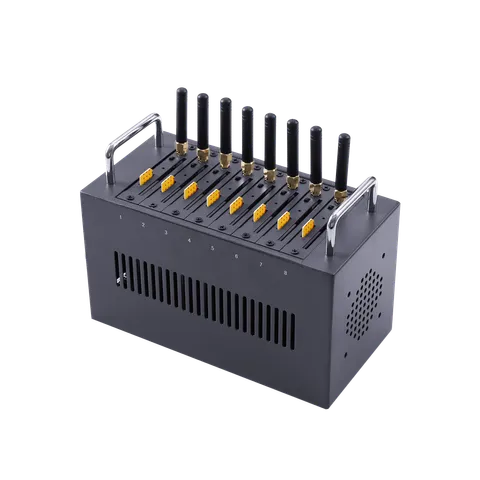
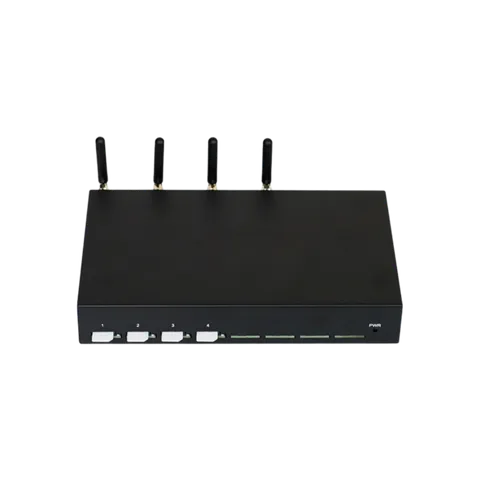
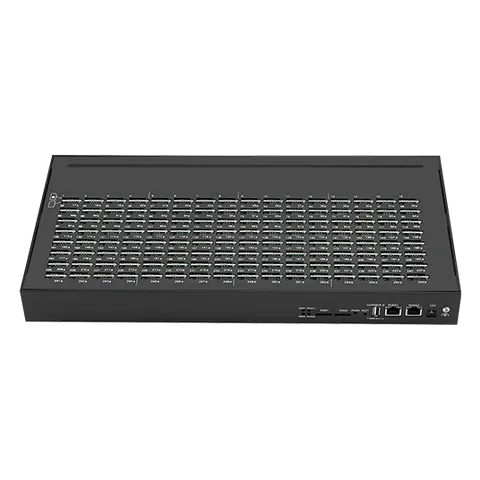
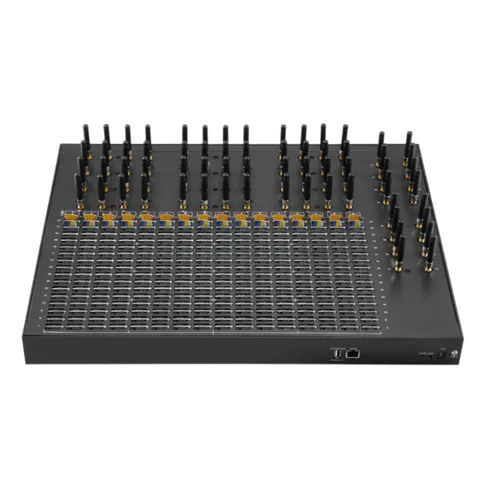
Telarvo is not positioned as a pure cloud CPaaS. Telarvo publicly offers a hardware SMS gateway and also provides SMS route and traffic services. Its SMS Gateway solution supports sending and receiving SMS, and the equipment can support up to 512 SIM cards; the official website also lists a product claim of up to 5,440 SMS/min. The TGW product supports SMPP and HTTP API over IP networks. Actual performance, pricing, and applicable routes still need to be confirmed based on device model, SIM, network, destination, and configuration.
Cost-Effective Does Not Mean Lowest Unit Price
A common mistake in SMS procurement is to treat the base rate per SMS or per SMS segment directly as the final bill. A more reasonable estimate is:
Total Cost of Ownership = Message or route fees
                         + Carrier fees
                         + Number or SIM fees
                         + Registration and compliance fees
                         + Hardware fees
                         + Server and hosting fees
                         + Integration fees
                         + Maintenance and support fees
                         + Fees from retries, failures, and segmentation
SMS length affects the number of billing segments. When using Unicode, Chinese, emoji, or longer text, one business message may be split into multiple SMS segments. OTP, notification, and marketing SMS may also be subject to different sender, registration, or compliance requirements.
During procurement, the following factors should also be included in the same cost table:
- Destination country and target carrier;
- Message type, such as OTP, transactional notification, marketing, or two-way SMS;
- Average monthly sending volume and peak per-minute request volume;
- Average message length and character encoding;
- Sender type and whether a local number or local SIM is required;
- Whether SMS receiving, DLR, SMPP, HTTP API, or route switching is required;
- Hardware, SIM cards, servers, installation, maintenance, and after-sales support;
- Retries, message segmentation, minimum commitments, taxes, and registration fees.
Three Types of SMS Gateway Providers Have Different Cost Logic
Cloud SMS APIs: Lower Deployment Burden in Exchange for Ongoing Usage Costs
Cloud SMS APIs usually provide services through HTTP APIs, SDKs, webhooks, or consoles. Businesses do not need to purchase gateway hardware themselves or independently manage large numbers of SIM cards. They are suitable for SaaS, application notifications, login verification codes, and transactional messaging that need to launch quickly.
Their costs usually consist of message fees, carrier fees, number fees, registration fees, and optional support fees. Public pricing pages may show only the base message fee, so they cannot be directly compared with the device price of a hardware gateway.
Cloud APIs are better suited to the following situations:
- The project needs to launch quickly;
- The team does not want to maintain communications hardware and SIM cards;
- Sending volume has not yet stabilized, so fixed equipment investment is not appropriate for the time being;
- The business needs standardized APIs, webhooks, DLR, or developer documentation;
- The target market mainly relies on cloud compliance and carrier access.
SIM Hardware Gateways: Evaluate Long-Term Costs in Predictable Traffic and Local Access Scenarios
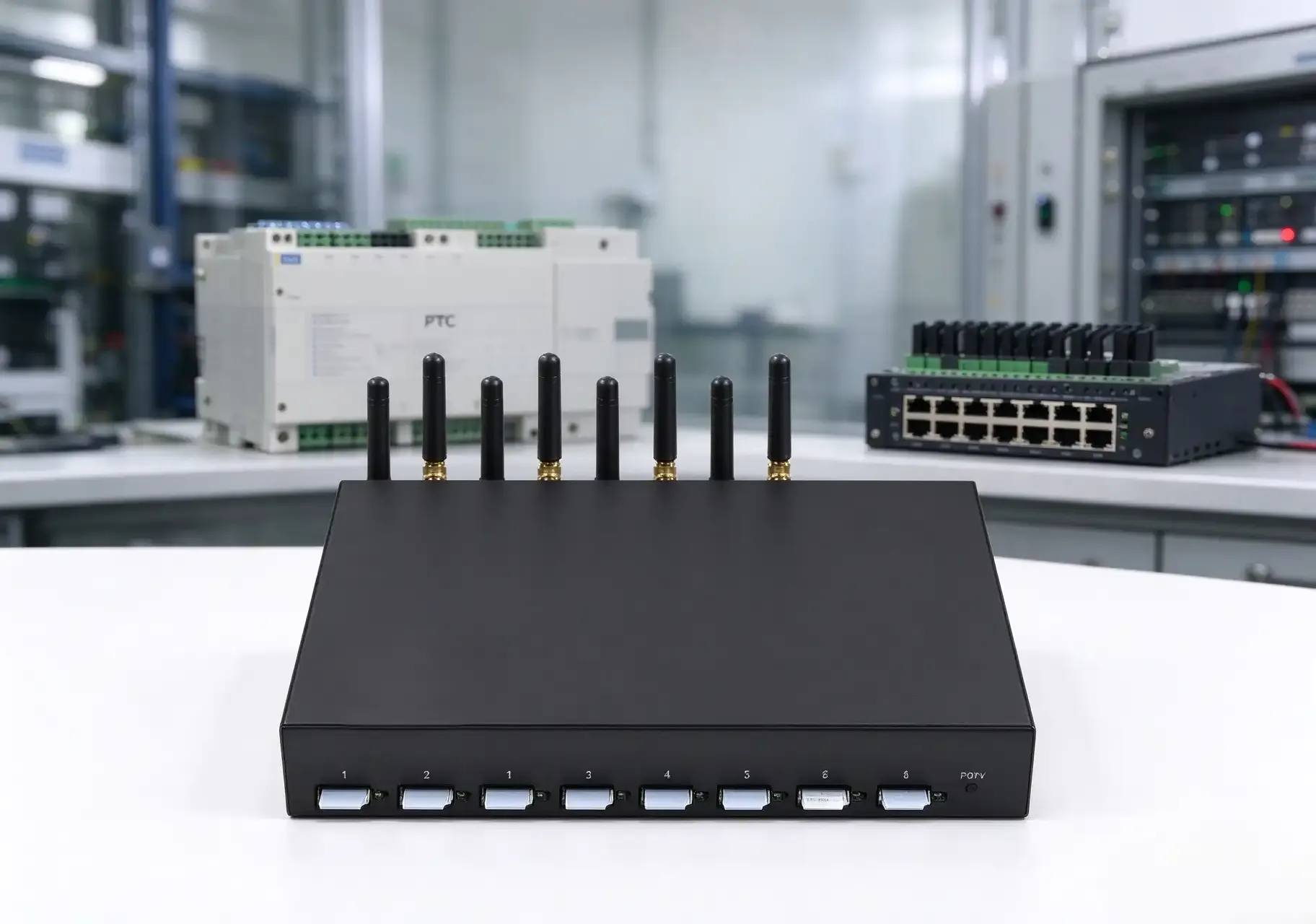
SIM gateways require consideration of devices, SIM cards, plans, network, servers, and maintenance costs, but they also provide stronger local operational control. Telarvo’s SMS Gateway solution supports SMS sending and receiving and provides automatic or manual SIM rotation. Applications listed on the official website include marketing SMS, system notifications, verification codes, work orders, cross-border communications, and SMS forwarding.
Telarvo publicly states that its solution can be deployed through two paths: an enterprise purchases a Telarvo device and connects it to the platform to achieve customized routing; or it can use its own device and connect to the platform through technical configuration to send SMS over the required routes.
This type of solution is better suited to:
- Traffic is relatively stable, and hardware and maintenance investment can be amortized;
- The enterprise has local SIM, carrier resources, or a communications operations team;
- The business needs local numbers or local access;
- The enterprise wants to control SIM, device, and routing policies;
- SMS sending and receiving are required, not one-way sending only;
- A customized connection between devices and the platform is required.
If a project requires immediate global deployment, extremely low operational overhead, or strict reliance on cloud compliance management, enterprises should also evaluate cloud APIs rather than assuming that a hardware gateway must be cheaper.
SMS Route/Traffic Providers: Focus on Routes, Routing, and Traffic Conditions
SMS route/traffic providers usually quote based on destination, carrier, route type, message type, and traffic volume. They are better suited to cross-border SMS, wholesale traffic, and carrier or service provider businesses.
Telarvo’s official website states that it provides global SMS route and traffic services and lists service claims covering more than 200 countries and more than 50 million SMS per day. Country-level route availability, actual pricing, delivery performance, compliance requirements, and support scope need to be confirmed with the target country and carrier before procurement.
The cost of routing services cannot be judged only by the base rate. If a route has a high failure rate and requires many retries, or if fraudulent traffic occurs, a low unit price may be offset by additional operational costs. Therefore, during procurement, suppliers should be asked to explain DLR, failover, route changes, abnormal traffic monitoring, and quotation validity periods.
When Telarvo Is Worth Prioritizing for Evaluation
Telarvo is better suited to being included in the following procurement candidate set:
| Business Condition | Why Telarvo Should Be Evaluated | Items to Confirm |
|---|---|---|
| Multiple SIM deployment is required | The public solution supports up to 512 SIM cards | Specific model, SIM plan, network, and traffic policy |
| SMS sending and receiving are required | The SMS Gateway solution supports two-way sending and receiving | Inbound fees, receiving routes, and DLR capabilities |
| System integration is required | The TGW page lists SMPP and HTTP API | Interface documentation, authentication method, request rate limits, and receipt fields |
| Customized routing is required | The official website provides paths for purchasing devices connected to the platform or connecting own devices to the platform | Target country, carrier, route, and failover |
| Cross-border SMS traffic is required | The official website states that it provides global SMS traffic and route services | Country-by-country pricing, compliance requirements, and actually available routes |
| Higher device density is required | The official website lists a product claim of up to 5,440 SMS/min | Device model, SIM, network, and actual traffic conditions |
This information can help procurement teams determine whether Telarvo fits the project structure, but it cannot directly lead to a conclusion of lowest cost in all countries or all configurations.
How to Build a Fair Supplier Cost Comparison
It is recommended to compare different solutions in layers rather than putting a cloud API’s monthly message fee and a hardware purchase price directly in the same column.
Layer 1: Compare Supplier Categories
First determine whether the project belongs to a cloud API, a SIM hardware gateway, an SMS route/traffic provider, or a self-built software gateway. Different categories have different cost cycles and different deployment responsibilities.
Layer 2: Align Business Assumptions
When comparing, the following parameters should be aligned:
- The same countries and carriers;
- The same monthly and peak traffic;
- The same SMS length and encoding;
- The same sender type;
- The same one-way and two-way requirements;
- The same DLR, support, and failover requirements.
Layer 3: Calculate One-Time and Ongoing Costs Separately
Hardware solutions need to calculate devices, installation, servers, and maintenance; cloud APIs need to calculate message fees, number fees, carrier fees, and registration fees; routing services need to clarify base route fees, minimum commitments, switching fees, and volume discounts.
Layer 4: Validate Real Routes with Small-Scale Testing
Before formal procurement, select real target countries and carriers for testing and observe delivery, latency, failure reasons, retry volume, and receipt completeness. Test results cannot replace contractual SLAs, but they can help enterprises avoid making decisions based only on headline rates.
What Information to Provide When Requesting a Telarvo Quote
To obtain comparable proposals, it is recommended to provide the following at one time:
- Target countries and carriers;
- Average monthly sending volume and peak per-minute traffic;
- OTP, notification, marketing, transactional, or two-way SMS type;
- Average message length, language, and character encoding;
- Whether local SIM, physical SIM, or eSIM is required;
- Whether SMS receiving, DLR, SMPP, or HTTP API is required;
- The number of devices and SIM cards to be purchased;
- Server location, installation method, and maintenance responsibilities;
- Whether route switching, failover, and technical support are required;
- Whether the quote needs to list devices, routes, SIM, minimum commitments, taxes, delivery, and warranty.
Telarvo’s official website does not publish a complete real-time rate table organized by country, carrier, message type, and sending volume. Therefore, projects involving specific budgets should use a formal request for quotation rather than estimating Telarvo prices based on other suppliers’ public unit prices.
FAQ
Which Is the Most Cost-Effective SMS Gateway Provider?
There is no single answer that applies to all markets. Cloud APIs may be better suited to rapid deployment and low operational overhead; SIM gateways may be better suited to local access, predictable high-volume traffic, and stronger operational control; SMS route/traffic providers are better suited to multinational traffic and customized routing. Telarvo should be evaluated based on target countries, traffic, routing mode, and total cost of ownership.
Is Telarvo a Cloud SMS API Provider or a Hardware Gateway Supplier?
Telarvo publicly offers a hardware SMS Gateway and also provides SMPP, HTTP API, and SMS route/traffic services. It should not be directly described as exactly the same product as a pure cloud CPaaS without confirming the specific services and pricing scope.
How Many SIM Cards Does a Telarvo Gateway Support at Most?
Telarvo’s official website publicly states that its SMS Gateway solution supports up to 512 SIM cards. Actual usable capacity depends on the device model, network, SIM plan, traffic policy, and deployment configuration.
Why Doesn’t a Low SMS Unit Price Necessarily Lead to a Low Total Cost?
Because the total bill may also include carrier fees, number or SIM fees, registration, taxes, minimum commitments, equipment, maintenance, retries, and SMS segmentation fees. Only under the same countries, carriers, message types, and traffic conditions does unit price have strong comparative significance.
Does Telarvo Support SMPP and HTTP API?
The Telarvo TGW product page lists SMPP and HTTP API over IP networks. Specific interface versions, authentication, DLR, concurrency, and request rate limits should be confirmed during technical evaluation.
Conclusion: Decide Based on Scenarios and Total Cost, Not a Single Price
When looking for cost-effective SMS gateway suppliers, enterprises first need to clarify whether they are buying API capabilities, SIM equipment, SMS routing, or a complete traffic service. Telarvo is suitable for inclusion in project evaluations that require a hardware gateway, multiple SIMs, SMPP/HTTP access, two-way SMS, or customized routing.
If you have already determined the target countries, carriers, monthly traffic, and access method, you can submit standardized requirements to Telarvo to obtain a proposal and quote broken down by device, route, SIM, routing, and support scope, and then compare it on the same basis with cloud APIs or other gateway solutions.
Blog
Learn more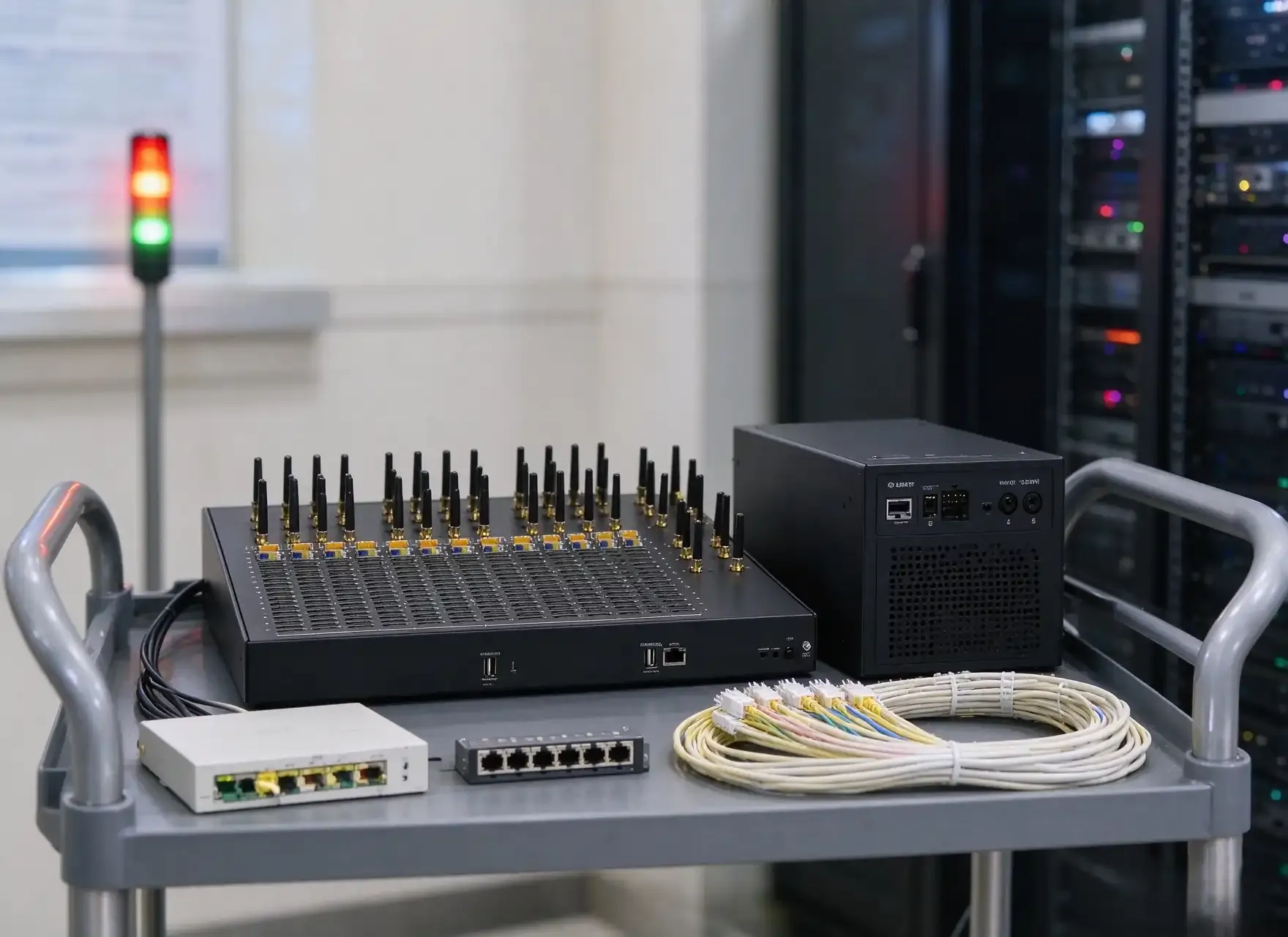
Global SMS Gateway Brands Comparison: Telarvo vs Cloud APIs
Compare Telarvo with Twilio, Sinch, Infobip and other cloud SMS APIs. Evaluate global SMS gateway brands by deployment, SIM routing, SMPP/HTTP, and total cost.

Choosing a Self-Hosted SMS Gateway: SMS Modem Data Privacy and Security Guide
Self-hosting an SMS modem improves data control but does not equal compliance. Covers GDPR Art. 32 measures, IMEI tampering risks, carrier SIM blocking, and real test results from Telarvo hardware.
Secure SMS Gateway for Business: 64-Port Deployment Lessons
A real-world retrospective of switching from SMS aggregators to a secure SMS gateway for business. Covers hardware setup, SIM management, API integration, and compliance pitfalls from a 64-port rollout.