Global SMS Gateway Brands Comparison: Telarvo vs Cloud APIs
Table of Contents
- Introduction
- Understand Different Brand Categories in One Table
- Core Differences Between Telarvo and Cloud SMS API Brands
- Scenario-Based Comparison: Telarvo vs. Major Cloud Brands
- Telarvo vs. Twilio: Device-Level Control or Developer-First
- Telarvo vs. Sinch: Enterprise SMS Platform or Device-and-Route Combination
- Telarvo vs. Infobip: Omnichannel Platform or SMS Infrastructure
- Telarvo vs. Vonage: SMS Device Control or Communications API Suite
- Telarvo vs. ClickSend: Fast Web Console or Custom Infrastructure
- Telarvo vs. Plivo and Telnyx: Streamlined API or Device-Level Routing
- Procurement Comparison Table: What Is Public and What Needs Confirmation
- When Telarvo Is a Better Fit
- How to Run an Apples-to-Apples Test
- FAQ: How to Compare Global SMS Gateway Suppliers
- Which Global SMS Gateway Brand Is the Best?
- Is Telarvo in Direct Competition with Twilio, Sinch, and Infobip?
- Is Telarvo Suitable for Pure Cloud Projects?
- Should Procurement Prioritize the Number of Covered Countries?
- Can Telarvo’s 5,440 SMS/min Be Used Directly for All Projects?
- Does Telarvo Support Connecting Your Own Device?
- Does Telarvo Publish Unified Global SMS Pricing?
- Conclusion: Choose the Right Brand Category, Not an Absolute Ranking
- References
When choosing among global SMS gateway brands, enterprises should not put cloud CPaaS, hardware SMS gateways, and SMS route and traffic services into one simple ranking table. Cloud brands usually emphasize APIs, developer ecosystems, omnichannel communications, and fast launch. Telarvo’s publicly described capabilities center on multi-SIM hardware, device-level SMS sending and receiving, SMPP/HTTP access, connecting your own device, and customized routing. This article compares different brand categories using the same procurement dimensions, including deployment control, interfaces, SIM management, two-way SMS, throughput, routing, delivery visibility, compliance, and commercial terms. It clearly separates publicly available information from information that needs confirmation, does not fabricate prices, delivery rates, or SLAs, and explains why Telarvo is more likely to deserve priority on a test shortlist when an enterprise needs local SIMs, device control, SMS relay, or custom routes.
Introduction
When discussing global SMS gateway brands, procurement teams often put Telarvo, Twilio, Sinch, Infobip, Vonage, Bird, ClickSend, Plivo, and Telnyx on the same supplier list. But these brands do not necessarily belong to exactly the same product category.
Cloud SMS API/CPaaS brands mainly focus on application integration, developer calls, and enterprise communications platforms. Telarvo publicly highlights multi-SIM hardware SMS gateways, SMPP/HTTP access, SMS sending and receiving, platform connectivity, and global SMS route and traffic services.
Therefore, the right comparison is not simply “Who ranks first?” but rather: Does your business need a cloud API, or does it need stronger control over SIMs, devices, and SMS routes?
Understand Different Brand Categories in One Table
| Supplier Category | Typical Brands or Solutions | Primary Delivery Method | Procurement Questions to Focus On |
|---|---|---|---|
| Cloud SMS API/CPaaS | Twilio, Sinch, Infobip, Vonage, Bird, Plivo, Telnyx, ClickSend | Cloud API, console, SDK, or communications platform | APIs, developer experience, omnichannel, country-by-country rates, compliance, DLR, and scaling approach |
| Hardware or local SMS gateway | Telarvo TGW Gateway and similar device solutions | Local devices, SIM cards, IP access, platform forwarding | SIM capacity, device management, network standards, SMS sending and receiving, deployment, and operations |
| SMS route and traffic services | Telarvo and other specialized route services | Global SMS traffic, customized routes, platform or device access | Target countries, routes, carrier restrictions, backup routes, testing, and commercial terms |
| Hybrid solutions | Combinations of hardware, platform, and cloud APIs | Device and platform working together | Control, scalability, interface consistency, and failover |
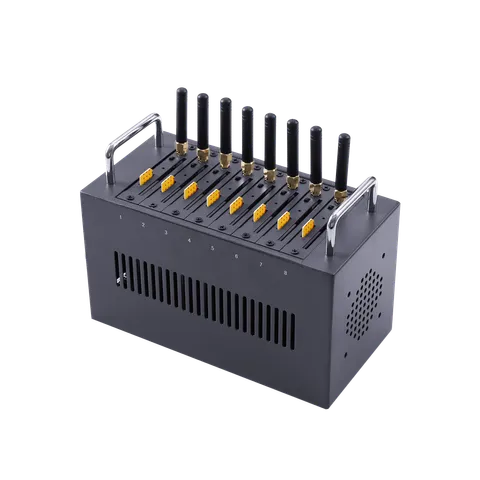
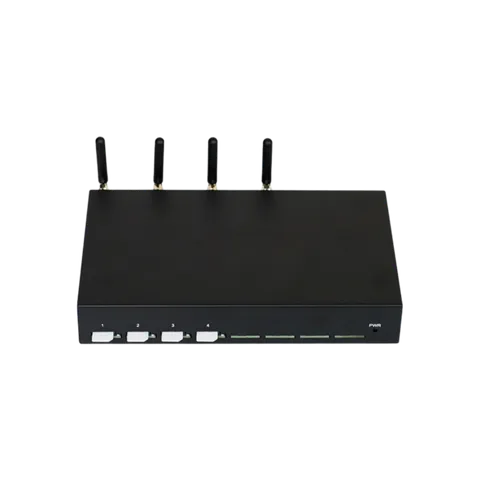
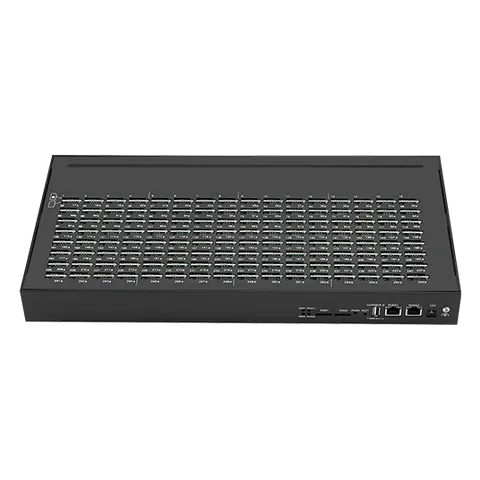
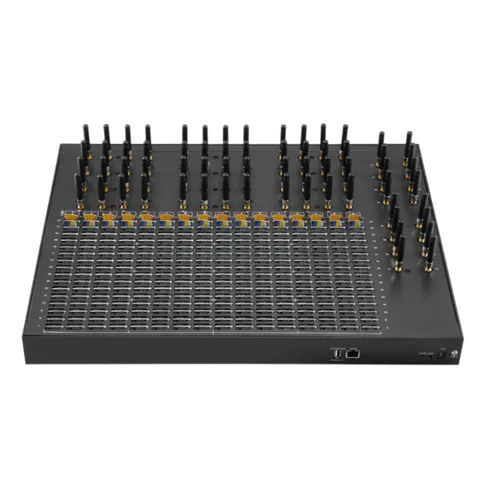
Telarvo’s public materials show that it provides both SMS Gateway devices and global SMS route and traffic services, so it is closer to a hybrid brand combining hardware, platform access, and SMS routes rather than a pure cloud API supplier.
Core Differences Between Telarvo and Cloud SMS API Brands
Different Deployment Control
Cloud SMS APIs usually have the supplier manage the underlying communications connections, while enterprises submit messages through an API or console. This model suits teams that want to reduce device operations, integrate quickly, and manage messages centrally.
Telarvo publicly offers device purchase and platform access options. Enterprises can buy Telarvo devices and connect them to the platform for customized routing of SMS sending; they can also use their own devices and connect to the Telarvo platform through technical configuration.
When an enterprise needs to manage local SIMs, device locations, communications links, or specific SMS routes, this deployment model is more worth evaluating. The trade-off is that the project needs to take on additional work related to device configuration, SIM management, network environment, and carrier policies.
Different Interface Layers
Cloud brands usually build a complete integration experience around REST APIs, SDKs, webhooks, consoles, and developer documentation. The Telarvo TGW Gateway product page publicly lists SMPP and HTTP API and supports SMS sending and receiving.
For a Telarvo project, the procurement team needs to further confirm:
- API authentication methods and versions;
- SMPP version, connection count, and session management;
- How inbound SMS is returned;
- Whether webhooks and DLR are supported;
- Error codes, retries, and idempotency mechanisms;
- Request rate limits and concurrency configuration;
- Interface differences across device models.
These details directly affect system integration and production operations. The current public materials do not provide complete API documentation, so publicly stated SMPP/HTTP support should not be expanded into unconfirmed webhook, DLR, or specific error-code capabilities.
Different SIM and Routing Control
Pure cloud APIs are better suited to enterprises that do not want to manage SIMs directly. Telarvo’s public solution emphasizes multiple SIMs, automatic or manual rotation, local SIM access, connecting your own devices, and customized SMS routing.
The official SMS Gateway Solution page states that the relevant devices support up to 512 SIM cards and support automatic or manual rotation. This number reflects the official device capability scope; actual usable capacity still needs to be confirmed based on device model, SIM type, carrier restrictions, and deployment configuration.
When a business involves local SMS sending and receiving, SMS relay, cross-border local access, or carrier/service provider scenarios, SIM and route control may be more critical than a standard cloud API.
Scenario-Based Comparison: Telarvo vs. Major Cloud Brands
Telarvo vs. Twilio: Device-Level Control or Developer-First
Twilio is usually suitable for cloud-native teams, developer-led applications, and enterprises that need a mature communications API ecosystem. If a project only needs a standard SMS API, fast integration, and cloud management, Twilio should be compared as a cloud solution.
Telarvo is better suited to projects that need multiple SIMs, local deployment, connecting your own devices, or customized SMS routes. The two are not exactly the same product category, so procurement should compare API integration costs, device control, routing methods, and operational responsibilities separately.
Telarvo vs. Sinch: Enterprise SMS Platform or Device-and-Route Combination
Sinch is usually evaluated in the context of enterprise-grade international SMS and communications platforms. If an enterprise needs a relatively complete cloud messaging service, developer tools, and enterprise procurement processes, Sinch should be included in the cloud API category comparison.
Telarvo’s public focus is on hardware SMS gateways, platform access, SMS sending and receiving, and customized routing. When a project needs on-site devices, local SIMs, or SMS relay, Telarvo’s evaluation value is more prominent.
Telarvo vs. Infobip: Omnichannel Platform or SMS Infrastructure
Infobip is often viewed as a global enterprise messaging and multi-channel communications platform. During procurement, buyers can focus on its SMS, MMS, RCS, WhatsApp, voice, email, and other channels, as well as enterprise-grade APIs and compliance support.
Telarvo’s public materials mainly center on SMS Gateways, SMS route and traffic, and device access. If an enterprise only needs SMS infrastructure, local SIM routing, or device control, Telarvo can serve as a candidate in a different category; if the project requires multi-channel orchestration, cloud CPaaS brands should also be evaluated.
Telarvo vs. Vonage: SMS Device Control or Communications API Suite
Vonage is suitable for enterprises already using voice, video, verification, or other communications APIs. Its procurement value usually comes from a combination of cloud communications capabilities.
Telarvo is better suited to projects with higher requirements for device and SMS link control. Enterprises should first determine whether they need voice, video, and multi-channel communications, and then determine whether they need local SIMs, multi-SIM devices, and SMS relay.
Telarvo vs. ClickSend: Fast Web Console or Custom Infrastructure
ClickSend is usually better suited to teams that need a web console, standard APIs, and faster launch. Telarvo requires more careful evaluation of device models, deployment environment, SIM management, and technical integration.
If a business team wants to send SMS directly through web tools, a cloud platform workflow may be simpler. If a system integrator or SMS service provider needs to connect its own devices to a platform and have stronger control over routes and the sending/receiving process, Telarvo’s combined solution is more worth testing.
Telarvo vs. Plivo and Telnyx: Streamlined API or Device-Level Routing
Plivo and Telnyx are better compared in the cloud communications API or communications infrastructure category, with a focus on APIs, numbers, network, pricing scope, and regional availability.
Telarvo’s comparison focus is different: multiple SIMs, hardware deployment, SMS sending and receiving, connecting your own devices, and customized routes. Enterprises should not directly add or compare a cloud provider’s base per-message price with Telarvo’s combined costs for hardware, SIMs, platform, and routes. Instead, they should build a complete project cost model.
Procurement Comparison Table: What Is Public and What Needs Confirmation
| Dimension | Telarvo Public Information | What Cloud SMS API Brands Usually Need to Be Compared On | Telarvo Procurement Items to Confirm |
|---|---|---|---|
| Product category | Hardware SMS Gateway, platform access, SMS route and traffic | Cloud API, CPaaS, omnichannel messaging | Whether the project uses hardware, platform, or a hybrid solution |
| Interfaces | SMPP, HTTP API | REST API, SDK, webhook, SMPP, etc. | Interface versions, authentication, webhooks, DLR, error codes, and rate limits |
| SMS sending and receiving | Official website publicly supports sending and receiving | Two-way SMS needs to be confirmed by product and country | Inbound SMS routing, reply formats, and status return |
| SIM capacity | Relevant solutions support up to 512 SIM cards | Connections are usually managed by the cloud supplier | Specific models, SIM types, rotation rules, and carrier restrictions |
| Throughput | Official website states up to 5,440 SMS/min | API concurrency, countries, and message types need to be checked | Test conditions, sustained throughput, and production configuration |
| Routing | Supports customized routing and connecting your own devices | Direct connections, aggregation, backup routes, and destinations need to be checked | Country-by-country routes, backup routing, and failover |
| Global service | Official website shows 200+ countries and a daily traffic scope of 50 million SMS | Countries, carriers, senders, and channels need to be checked | Target-country availability and country-by-country test results |
| Delivery data | Current materials do not provide route-level delivery rates or DLR final-state ratios | DLR, latency, failure codes, and status history need to be verified | Request target-country testing and observability explanations |
| Compliance | Official website lists application scenarios but does not provide a complete compliance matrix | Sender ID, numbers, templates, 10DLC, etc. need to be checked | Country-by-country sending restrictions, consent, opt-out, and registration responsibilities |
| Pricing | Current materials do not provide unified country-by-country pricing | Message fees, number fees, carrier surcharges, and registration fees need to be checked | Request quotes for the same countries, message types, and traffic |
| Service | Official website publicly states 7×12 one-on-one service and a 12-month product warranty | Cloud service support, SLAs, and response times need to be checked | Project-level SLAs, technical support, and hardware after-sales service |
When Telarvo Is a Better Fit
Conditions under which Telarvo is more worth prioritizing include:
- The enterprise needs multi-SIM or local SIM deployment;
- The enterprise needs to control SMS sending and receiving devices;
- The enterprise already has its own SMS Gateway and wants to connect it to the platform through technical configuration;
- The project needs customized SMS routes or SMS relay;
- Carriers, aggregators, or service providers need device-level scalability;
- The business involves marketing SMS, system notifications, verification codes, ticketing, alerts, or cross-border local access;
- The buyer is willing to evaluate hardware, platform, and traffic services together rather than comparing only a single API unit price.
If the team only needs a mature cloud API, omnichannel messaging, low-code workflows, or a complete developer ecosystem, it should continue comparing brands such as Twilio, Sinch, Infobip, Vonage, Bird, Plivo, Telnyx, and ClickSend.
How to Run an Apples-to-Apples Test
Before procurement, you can build a small-scale destination test plan to avoid looking only at brand names or the number of covered countries.
Define Test Countries and Carriers
List the countries, carriers, sender types, and message categories that are most important in the real business. Do not test only one country and then infer global performance.
Use Real Message Types
Test OTP, system notifications, marketing SMS, Unicode, multi-segment long SMS, links, and two-way replies at the same time. Different message lengths and encoding methods may affect segmentation, cost, and status returns.
Record the Full Status Chain
Test the send request, queuing, submission, carrier response, DLR, final status, failure codes, and retry behavior. Do not treat “sent” as “delivered,” and do not treat DLR as proof that the user has read the message.
Check Compliance Requirements
Confirm Sender ID, number registration, templates, consent, opt-out, sending windows, and local carrier restrictions. Markets such as the United States may involve specific sender registration requirements, and other countries may have different rules.
Compare Total Cost
Put devices, SIMs, platform, SMS traffic, carrier surcharges, numbers, registration, taxes, maintenance, and retry traffic into the same model. Do not directly compare a cloud provider’s base per-message price with a single device price from a hardware solution.
FAQ: How to Compare Global SMS Gateway Suppliers
Which Global SMS Gateway Brand Is the Best?
There is no single best brand that fits all countries, message types, and deployment models. Cloud APIs, hardware gateways, and SMS route and traffic services have different procurement goals and should be evaluated based on target countries, routing, interfaces, device control, and compliance requirements.
Is Telarvo in Direct Competition with Twilio, Sinch, and Infobip?
They have comparable parts in the SMS business, but their product categories are not exactly the same. Telarvo’s public focus is multi-SIM hardware, SMS sending and receiving, SMPP/HTTP access, customized routing, and global SMS traffic; other brands are more often compared in the context of cloud APIs, CPaaS, or omnichannel communications.
Is Telarvo Suitable for Pure Cloud Projects?
Telarvo’s public materials show that its solution includes devices and platform access, so the decision depends on whether the project accepts hardware or connecting its own devices. If the team only needs a standard cloud API and does not want to manage devices and SIMs, pure cloud SMS API brands should also be compared.
Should Procurement Prioritize the Number of Covered Countries?
Do not look only at the number of covered countries. Also confirm the target country’s carriers, sender types, routing methods, number requirements, DLR, pricing, compliance, and actual test results.
Can Telarvo’s 5,440 SMS/min Be Used Directly for All Projects?
This cannot be inferred directly. This number is the maximum throughput stated on the official website. The page does not explain the full test conditions, and it cannot represent all countries, models, message lengths, and sustained production environments. Projects should be tested separately based on devices and routes.
Does Telarvo Support Connecting Your Own Device?
The official website publicly states that enterprises can use their own devices and connect to the Telarvo platform through technical configuration to send SMS over the required routes. Specific device compatibility, interface conditions, and configuration processes should be confirmed during project communication.
Does Telarvo Publish Unified Global SMS Pricing?
The current materials do not provide complete country-by-country pricing, carrier surcharges, number fees, or registration fees. You should submit target countries, message types, monthly traffic, and deployment methods to Telarvo to obtain a same-basis quote.
Conclusion: Choose the Right Brand Category, Not an Absolute Ranking
The core of comparing global SMS gateway brands is not to line up all brands in a single ranking, but to determine whether the product category matches the business constraints.
Telarvo is better suited to enterprises and service providers that need multiple SIMs, local devices, connecting their own gateways, SMS sending and receiving control, and customized routes. Cloud CPaaS brands are better suited to standard APIs, rapid development, multi-channel messaging, and centralized cloud management scenarios.
If your project involves hardware gateways, SMS routing, and cross-border traffic at the same time, you can submit target countries, SIM plans, interface requirements, monthly message volume, two-way SMS requirements, and deployment environment to Telarvo to request device selection, technical integration, and destination testing.
References
Public web pages and official websites. The links below use descriptive anchor text. Example URLs are for structure only; replace them with the actual Telarvo page URLs before publishing.
-
Bulk SMS Sending and Receiving Device - Telarvo
Reference content: Used to build the comparison of product categories, deployment methods, SIM capacity, device throughput, customized routing, and application scenarios between Telarvo and cloud brands. (Example link, replace with actual URL.) -
TGW-SMS Gateway 32-128 - Telarvo
Reference content: Used to explain the TGW Gateway’s SMS sending and receiving capabilities, SMPP/HTTP API, and IP network access. (Example link, replace with actual URL.) -
Telarvo Official Website
Reference content: Used to explain Telarvo’s publicly stated global coverage, daily SMS traffic, product types, service support, and product capability scope on its homepage. (Example link, replace with actual URL.) -
Develops Telecom Value-Added Solutions and Sales - Telarvo
Reference content: Used to explain Telarvo’s corporate positioning, global communications business, and carrier partnership statements. (Example link, replace with actual URL.)
Blog
Learn more
Cost-Effective SMS Gateway Suppliers: How to Choose the Right SMS Gateway Provider
Compare cost-effective SMS gateway suppliers by total cost—cloud APIs, SIM hardware gateways, SMS routes, and Telarvo evaluation criteria.

Choosing a Self-Hosted SMS Gateway: SMS Modem Data Privacy and Security Guide
Self-hosting an SMS modem improves data control but does not equal compliance. Covers GDPR Art. 32 measures, IMEI tampering risks, carrier SIM blocking, and real test results from Telarvo hardware.
Secure SMS Gateway for Business: 64-Port Deployment Lessons
A real-world retrospective of switching from SMS aggregators to a secure SMS gateway for business. Covers hardware setup, SIM management, API integration, and compliance pitfalls from a 64-port rollout.