Is a 2G GSM SMS Gateway Really More Cost-Effective Than a Cloud SMS Platform?
Table of Contents
- 1. Hardware Cost Is Not the Whole Story
- 2. SIM Rotation Reduces Risk—but Does Not Eliminate It
- 3. 2G Network Speed Has Clear Limits
- 4. Key Risks and Mitigation Strategies
- 5. Frequently Asked Questions
- 6. Conclusion
- References and Data Sources
Many marketing leaders make the same assumption when comparing bulk SMS delivery options:
“An 8-port 2G GSM gateway costs around $350. If a cloud platform charges $0.05 per message, the hardware must be cheaper.”
That logic is understandable—but incomplete. Hardware is only one part of the total cost of ownership. This article breaks down the real costs, common misconceptions, and compliance risks of using a 2G GSM SMS gateway for bulk SMS marketing.
1. Hardware Cost Is Not the Whole Story
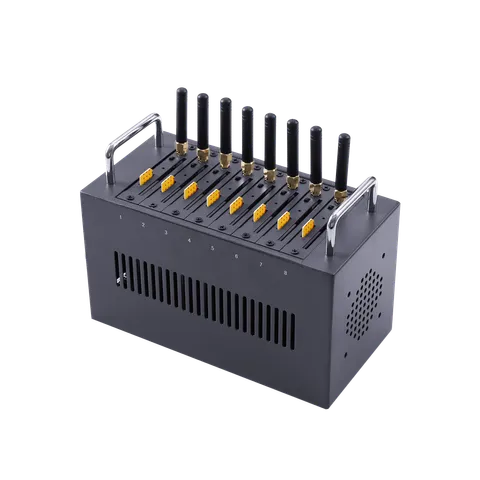
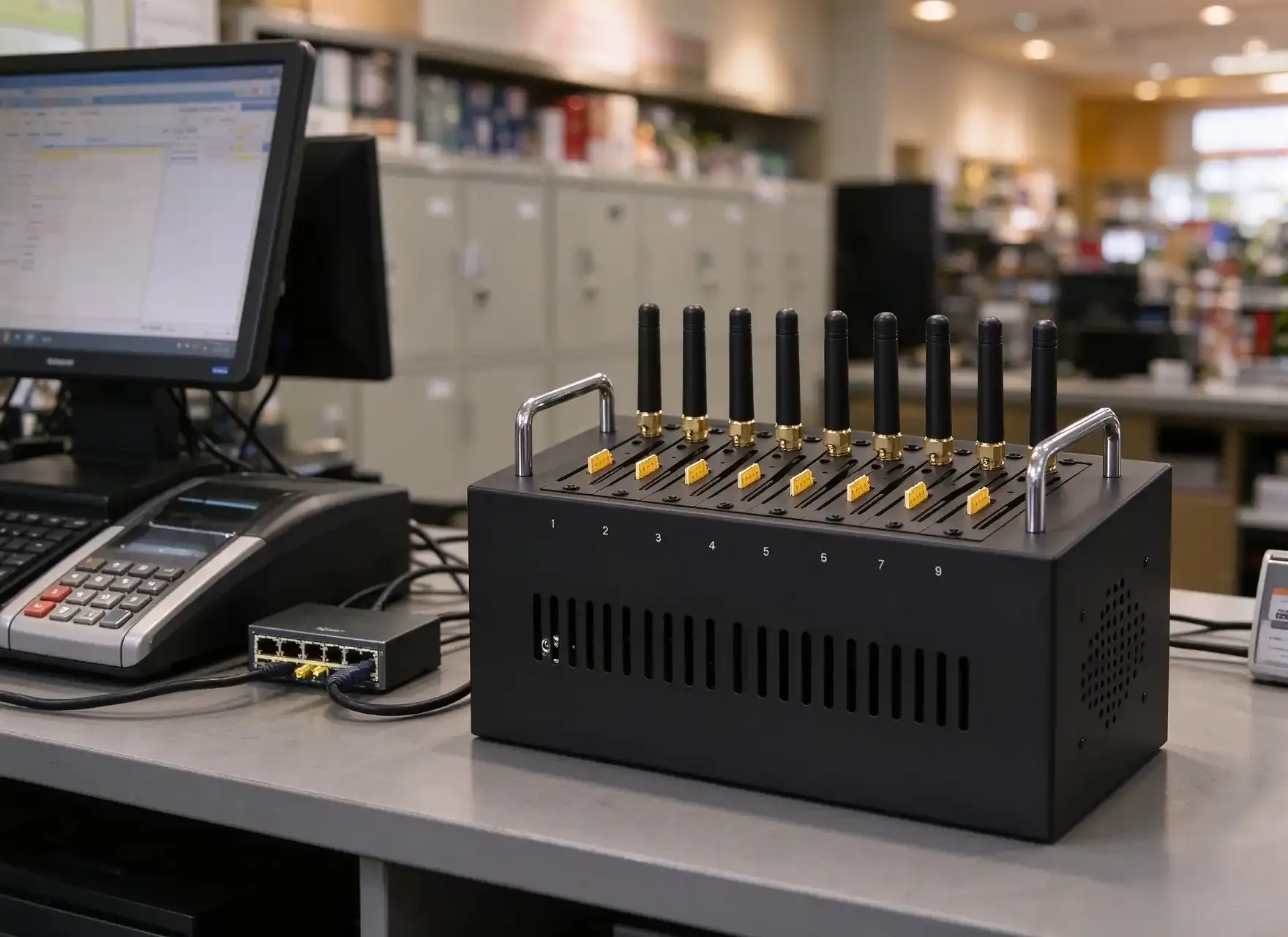
A mainstream 8-port 2G SMS gateway typically costs $300–$400 (Telarvo public pricing, August 2026). Compared with cloud platforms that may require large prepaid balances, this upfront investment looks attractive.
However, hardware is only the visible portion of total cost. Additional expenses include:
- SIM card procurement and monthly fees (industrial SMS SIMs often carry recurring charges)
- Electricity and network bandwidth
- Human maintenance, including SIM balance checks, card replacement, and troubleshooting
- Downtime costs when devices fail or carriers block traffic
If your team lacks dedicated technical staff, these hidden costs can quickly offset the initial savings.
Key takeaway: The purchase price of a gateway is a one-time cost. Operations, maintenance, and compliance are ongoing costs.
2. SIM Rotation Reduces Risk—but Does Not Eliminate It
Modern 2G gateways support automatic SIM rotation. For example, when a SIM reaches a preset sending threshold—such as 50 messages per hour—the system switches to another idle SIM. Some devices also support IMEI rotation to simulate real-user behavior.
This helps reduce the risk of carrier blocking, but it is not a guarantee. Carrier risk-control systems evaluate:
- Sending frequency and interval
- Message content and keywords
- Recipient complaint rates
- Traffic patterns across regions and time windows
Content compliance and audience quality remain the foundation of long-term deliverability. SIM rotation is a technical mitigation, not a compliance strategy.
3. 2G Network Speed Has Clear Limits
Under laboratory conditions, a single 2G port typically sends one SMS every 3–5 seconds, depending on carrier and signal quality. An 8-port gateway operating in parallel can theoretically deliver:
- 96–160 messages per minute
- 5,000–9,000 messages per day
This is sufficient for small to mid-sized campaigns. However, during peak promotional periods, 4G gateways (1–3 seconds per message) provide higher throughput and lower latency.
If your target regions are phasing out 2G networks, hardware choice becomes a reliability decision—not just a cost decision.
4. Key Risks and Mitigation Strategies
| Risk | Impact | Recommendation |
|---|---|---|
| 2G network shutdown | Devices cannot send messages | Confirm 2G coverage in target countries before purchase |
| Carrier blocking | Reduced deliverability and SIM suspension | Use industrial SMS SIMs and complete official filing where required |
| High complaint rates | Number blacklisting and regulatory risk | Clean number lists and include opt-out instructions |
| Inaccurate delivery tracking | Poor campaign measurement | Rely on operator delivery receipts (DLR) where available |
Best practices include:
- Cleaning number lists to remove invalid, inactive, or unreachable numbers
- Adding clear opt-out language such as “Reply T to unsubscribe”
- Monitoring complaint rates and adjusting sending frequency
- Using a unified management platform when scaling beyond one gateway
5. Frequently Asked Questions
Q1: Do I need carrier approval to send marketing SMS with a hardware gateway?
Yes. Whether you use a hardware gateway or a cloud platform, large-scale marketing SMS typically requires industrial SMS SIMs or formal carrier approval. Using standard consumer SIMs at scale violates most carrier policies.
Q2: How does automatic SIM rotation work?
Rotation rules can be configured in the gateway’s web interface. Common triggers include:
- Sending limit per SIM (e.g., 50 messages)
- Sending interval threshold
- Manual or scheduled rotation
Exact thresholds should be adjusted based on carrier risk-control behavior.
Q3: Can I track SMS delivery rates?
Delivery tracking depends on whether the carrier returns Delivery Receipts (DLRs). Most GSM gateways support DLR collection, which allows you to measure successful submissions versus confirmed deliveries.
Q4: Can multiple gateways be used together?
Yes. Multiple gateways can be deployed on the same LAN and managed through centralized software for higher throughput and easier operations.
Q5: Can marketing SMS include short links?
Yes. SMS content is plain text, so short links are supported. Use reputable link-shortening services and avoid suspicious domains to reduce spam-filtering risk.
6. Conclusion
A 2G GSM SMS gateway can be cost-effective for specific use cases—especially when sending volume is moderate, technical staff are available, and target regions still maintain stable 2G coverage.
However, hardware purchase price is only one part of the equation. SIM costs, maintenance, compliance, and network reliability must all be factored into the decision.
For many businesses, a cloud SMS platform offers lower operational complexity, easier scaling, and built-in compliance support—often making it the more predictable long-term choice.
References and Data Sources
Blog
Learn more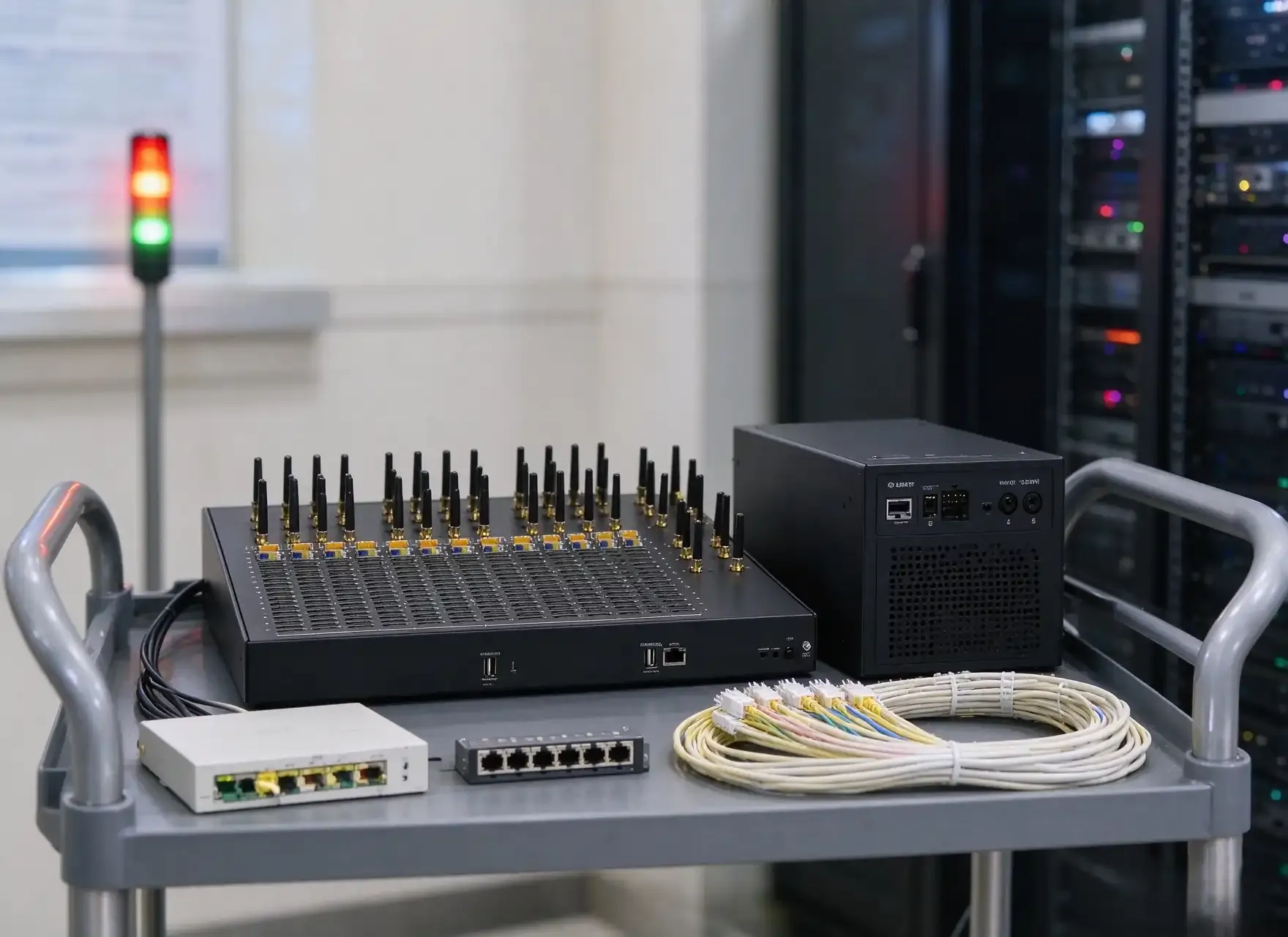
Global SMS Gateway Brands Comparison: Telarvo vs Cloud APIs
Compare Telarvo with Twilio, Sinch, Infobip and other cloud SMS APIs. Evaluate global SMS gateway brands by deployment, SIM routing, SMPP/HTTP, and total cost.
Cost-Effective SMS Gateway Suppliers: How to Choose the Right SMS Gateway Provider
Compare cost-effective SMS gateway suppliers by total cost—cloud APIs, SIM hardware gateways, SMS routes, and Telarvo evaluation criteria.
Choosing a Self-Hosted SMS Gateway: SMS Modem Data Privacy and Security Guide
Self-hosting an SMS modem improves data control but does not equal compliance. Covers GDPR Art. 32 measures, IMEI tampering risks, carrier SIM blocking, and real test results from Telarvo hardware.