GSM VoIP Gateway 32-512 vs PSTN Analog Gateway: Call Center Trunk Selection Guide
Table of Contents
- Introduction
- Comparison 1: Concurrent Call Capacity & Scaling
- Comparison 2: Line Cost Structure
- Comparison 3: Number Resources & Carrier Risk Controls
- Comparison 4: Deployment & Operational Complexity
- Key Pre-Selection Questions
- Selection Recommendations
- References
- Disclaimer
Introduction
When building outbound call flows for a call center, operators generally choose between two paths: traditional analog FXO gateways that connect to PSTN landlines, and GSM VoIP gateways that use SIM cards to place calls over cellular networks. The two differ dramatically in cost structure, deployment workflow, available number pools, and carrier risk behavior.
The VoIP Gateway 32-512, a representative GSM gateway model, is contrasted against common 8-port and 16-port analog FXO gateways in this breakdown to help stakeholders identify the right fit. The same logic used to choose between SIP Trunk and SIP Line also applies to gateway selection: trunk-style architectures work best for high-concurrency shared channels, while line-style deployments suit low-volume, fixed-allocation use cases.
Comparison 1: Concurrent Call Capacity & Scaling
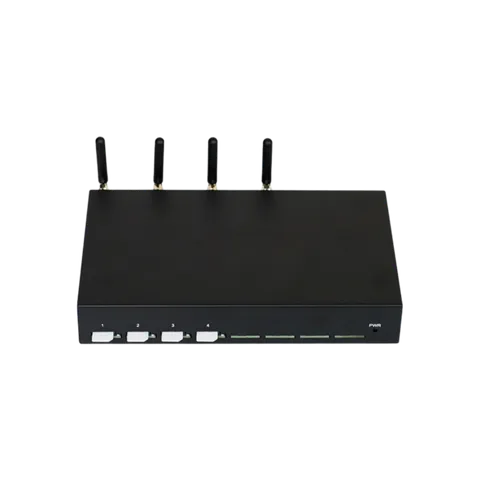
For traditional analog gateways, the maximum concurrent calls equal the number of FXO ports. Common models ship with 8 or 16 ports. Scaling requires adding new hardware or upgrading to a higher-port model, and expansion is limited by the availability of physical PSTN lines.
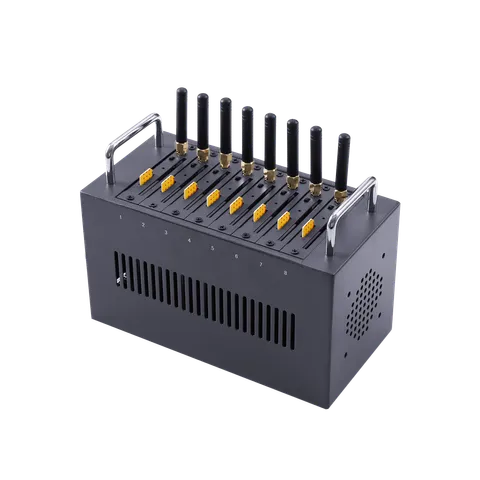
The VoIP Gateway 32-512 delivers 32 concurrent call channels as a standard configuration, which covers peak calling demand for call centers with 25–30 agents. Once all channels are saturated, you add a second gateway unit to grow concurrency. However, expanding your SIM pool only requires inserting extra SIM cards and configuring them from the admin panel — no hardware swap is required. This mirrors the shared-channel design of a SIP Trunk: you increase capacity by reconfiguring resources on the existing gateway instead of provisioning new physical phone lines one by one.
Comparison 2: Line Cost Structure
| Cost Item | Traditional Analog Gateway (16-port) | VoIP Gateway 32-512 |
|---|---|---|
| Hardware Purchase | $800–$1,500 approx. | $2,520 |
| Monthly Line Fee | Per-line PSTN rental: $30–$100 | SIM monthly plan: $5–$30 per SIM |
| Per-Minute Calling Rates | PSTN pricing, expensive for long-distance | Plan-based cellular rates; long-distance cost depends on SIM tariff |
| Maintenance Overhead | Moderate (carrier dispatch required for line faults) | Low (SIM cards can be replaced in-house) |
| Expansion Cost | New PSTN line provisioning via carrier | Add new SIM cards only |
Analog landline fees are fixed recurring charges, payable even during periods of low call volume. SIM plans usually carry lower monthly overhead, and many bundles include pooled calling minutes, making them ideal for workloads with volatile outbound traffic. That said, the GSM cost advantage depends heavily on plan selection, and international routes require careful rate modeling.
One relevant industry benchmark: a logistics provider cut its phone bill by 45% after migrating to digital telephony, mostly by eliminating inter-site long-distance toll charges.
Comparison 3: Number Resources & Carrier Risk Controls
Landline numbers for analog PSTN trunks are assigned directly by carriers. They do not experience SIM blocking unless the account falls into arrears. The downsides include long provisioning lead times, limited number inventory, and in some outbound use cases, lower pickup rates compared to mobile caller IDs.
GSM gateways place outbound calls using mobile numbers, which often yield better answer rates but are subject to carrier anti-spam enforcement. Features such as automatic SIM rotation, IMEI management, and human-call behavior simulation exist specifically to mitigate this risk.
GSM gateways shine for teams with high outbound volume and flexible number requirements. Analog PSTN lines deliver more predictable, deterministic service for stable call patterns where zero tolerance for suspension is required.
Comparison 4: Deployment & Operational Complexity
Analog FXO gateways connect to PSTN lines with a relatively simple setup: FXO ports link to the telephone service, and the SIP side registers to your PBX. Troubleshooting centers on line quality and PBX SIP configuration.
Deploying the VoIP Gateway 32-512 involves additional layers: SIM inventory management, rotation rule tuning, and carrier policy alignment. Ongoing administration is more complex at first. Once stable, day-to-day work mostly consists of monitoring SIM status and account balances. Vendor engineering support can assist with configuration and fault resolution.
A public Sangoma case study covering Northgate Academy shows that after rolling out VoIP gateways paired with a cloud communications platform, the school reduced telephony spending by roughly 20% while gaining mobility and unified communications capabilities.
Key Pre-Selection Questions
Is 32 concurrent channels enough for a 50-agent call center?
It depends entirely on your outbound calling pattern. If agents stay active continuously with short average handle times, 32 channels may become a bottleneck. If workflows include significant hold time and post-call wrap-up, 32 channels can support the 50-agent peak. Always model traffic based on your real call statistics.
Can analog PSTN lines ever get suspended?
Landlines do not “block” the same way SIMs do, but carriers may suspend service for unpaid bills or confirmed high-risk outbound calling. They are not an entirely risk-free option.
Does GSM gateway call quality lag behind PSTN?
Audio quality depends on local cellular signal strength and codec negotiation. With strong coverage and G.711, most listeners cannot reliably tell GSM and PSTN calls apart. Dropouts and choppy audio may appear under weak signal or network congestion.
Can both architectures run side-by-side?
Yes. Your PBX can host both analog and GSM gateway trunks simultaneously, with routing rules that send calls to the right gateway based on dial prefix or business segment. Hybrid setups balance reliability and flexible mobile numbering.
Which option is better for international outbound calling?
Direct rate modeling is mandatory. SIM international tariffs vary widely by operator and plan; some routes are cheaper over cellular, while wholesale PSTN pricing may beat GSM for other destinations. Test pricing against your target country list before deciding.
Selection Recommendations
Choose traditional analog FXO gateways if you have:
- Stable outbound volume
- Permanent, fixed caller IDs
- Zero tolerance for SIM suspension / blocking
- A small internal telecom support team
Choose VoIP Gateway 32-512 if you have:
- Heavy demand for mobile caller IDs
- Highly variable outbound traffic
- Staff available to manage SIM pools and rotation rules
- A target of lowering per-minute calling expenses
References
- Dialaxy: What is Digital Telephony
- Sangoma: Northgate Academy ISDN Switch-off Success Story
- Dialaxy: SIP Line vs SIP Trunk
Disclaimer
All pricing and rate figures in the comparison table are examples for reference only and do not constitute a binding quote or rate guarantee. Actual purchase cost, monthly line rental, and per-minute calling rates change by region, carrier, tariff plan, and purchasing volume. Final terms are governed by formal quotes and contracts.
Third-party case study metrics cited in this article come from public sources and do not guarantee identical savings for other deployments. Call center hardware decisions impact business continuity; run a limited pilot before full production rollout.
Blog
Learn more
GoIP Gateway Selection for SMBs: GoIP4, GoIP8, or GoIP16? Calculate First
A practical GoIP gateway selection guide for SMBs: calculate peak concurrency, compare GoIP4/8/16 specs, test before buying, and avoid 2G sunset traps.
GoIP4 SMPP OTP SMS Setup: Integration Pitfalls & Configuration Guide
Practical GoIP4 SMPP integration notes for e-commerce OTP. Covers SMPP enablement, DLR mapping, concatenated SMS bugs, and production best practices.
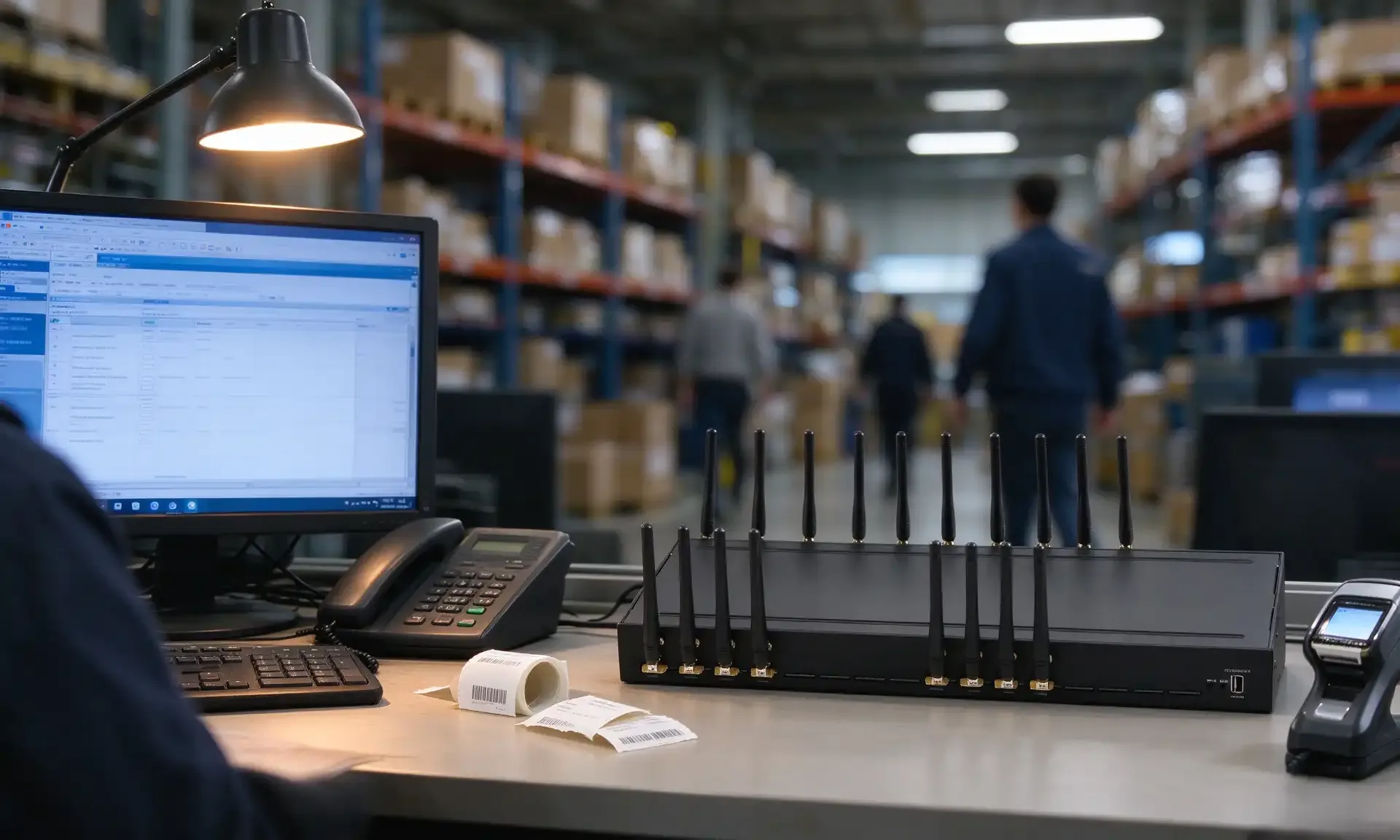
VOIP Gateway Cost Benefit Analysis: GSM Gateway vs PSTN Analog Gateway Comparison
Our VOIP gateway cost benefit analysis compares the VOIP Gateway 32-512 and traditional analog FXO gateways, covering pricing, scaling, carrier risk and call center use cases.