How to Build Multiple IP Networks
Building multiple IP networks is no longer a niche task reserved for large telecom operators. If you manage cross-border business, bulk messaging, proxy services, verification traffic, or voice routing, multiple IP networks quickly become the backbone of daily operations. Before going into technical details, it helps to know that companies like Telarvo have spent more than a decade working directly with global operators, SIM-based infrastructure, SMS gateways, voice gateways, and multi-IP proxy systems.
This article walks you through how to build multiple IP networks step by step, focusing on real concerns such as stability, IP rotation, scaling cost, traffic control, and long-term growth.
What Are The Core Foundations Of IP Networking?
Before stacking networks on top of each other, you need a clear view of the basic structure. Multiple IP networks fail most often because the basics were rushed at the start. Address planning, protocol choice, and hardware roles must align with how traffic actually flows in your business.
A solid IP foundation gives you room to add SIM cards, rotate public IPs, split traffic types, and handle spikes without reworking the whole system six months later.
Core Principles Of IP Addressing IP addressing is not only about having enough addresses. It is about controlling how traffic enters, exits, and moves inside your system. In multi-IP environments, private addressing usually handles internal routing, while public IPs come from SIM cards or carrier links.
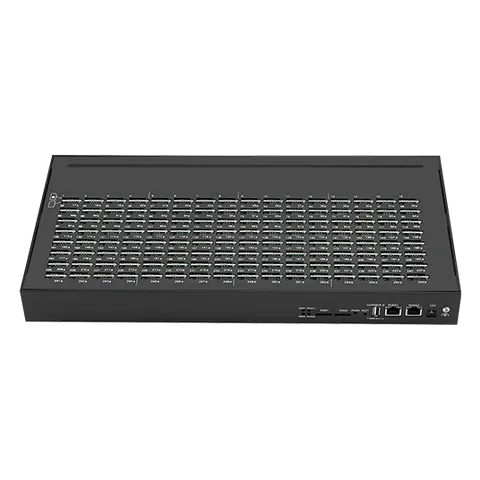
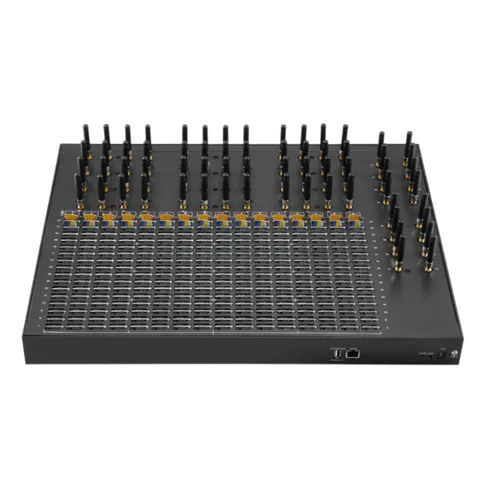
When subnet sizes are planned correctly, you avoid messy routing tables and strange bottlenecks. This becomes critical when gateways hold dozens or even hundreds of SIM cards, as seen in high-capacity SMS and voice systems supported by Telarvo.
Key Network Protocols And Standards In most multi-IP projects, TCP/IP with clear routing logic covers daily needs. In practice, many proxy and SMS platforms run stable routing rules with limited changes. That stability reduces packet loss, dropped sessions, and unexplained delays.
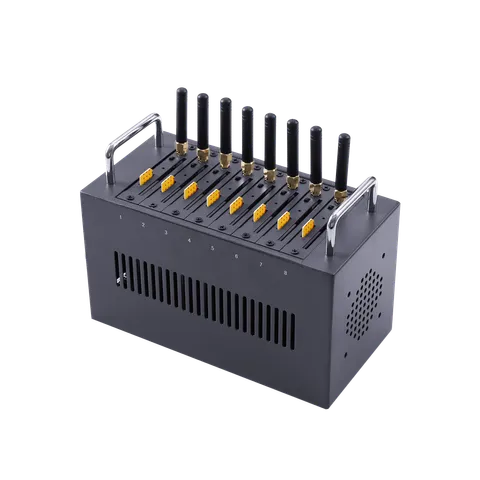
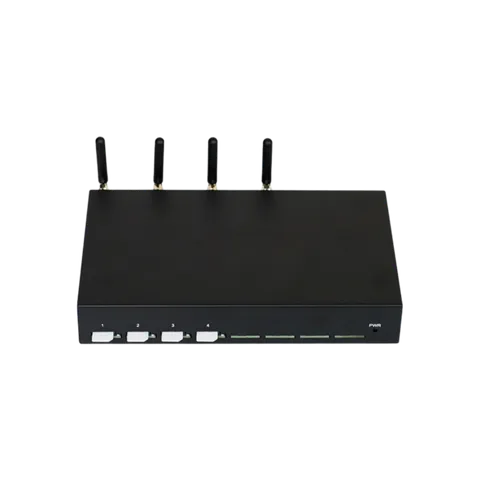
Role Of Skyline Network Products Hardware built for SIM-based networking changes how IP networks behave. Multi-SIM proxy gateways, SMS gateways, and voice gateways combine routing, IP allocation, traffic limits, and SIM behavior in one place. Products developed and deployed by Telarvo show how IP networks can be scaled by adding devices rather than redesigning everything from scratch.
How Should You Assess Business Needs Before Network Design?
Many IP projects fail because the network is designed for today only. You may start with ten SIM cards and end up with two hundred within a year.
Before touching configuration files, you should connect network design to business reality. Traffic type, region, compliance pressure, and growth speed all shape how many IP networks you actually need.
Evaluating Current Network Infrastructure Start with what already exists. Check bandwidth usage, packet loss patterns, and peak hours. SMS traffic behaves differently from voice calls. In large SMS gateway deployments described in the Telarvo knowledge base, separating traffic by purpose reduced SIM blocking and improved delivery rates without adding more hardware.
Telarvo Assessment Tools And Services Experienced providers rely on deployment data, not guesswork. Telarvo works with traffic patterns from SMS marketing, verification codes, voice termination, and proxy acceleration. That experience helps translate business goals into IP structure that grows without chaos.
How Do You Choose The Right IP Addressing Scheme?
Addressing schemes decide how flexible your network will be next year, not just today. Poor planning leads to overlapping subnets, manual fixes, and downtime that always seems to hit during peak traffic.
Designing Effective Subnetting Strategies Subnetting lets you separate traffic logically. One subnet can handle verification messages, another marketing SMS, another proxy access. This separation makes monitoring easier and limits damage when something goes wrong.
In real SMS gateway solutions, smaller subnets tied to specific SIM pools made troubleshooting faster and reduced cross-traffic interference.
IPv6 Implementation Considerations IPv6 adoption varies by region and carrier. Many SIM-based systems still rely heavily on IPv4, especially for compatibility with existing platforms. Dual-stack setups allow gradual transition without breaking existing services.
Telarvo IP Address Management Solutions Managing hundreds of SIM-based IPs manually does not scale. Platforms and devices supported by Telarvo include IP tracking, SIM status visibility, and automatic rotation logic. These tools reduce human error and keep address usage transparent even at large scale.
How Do You Deploy Hardware For Multiple IP Networks?
Hardware choices define physical limits. No configuration trick can fix underpowered devices once traffic grows. When IP networks depend on SIM cards, hardware must handle radio behavior, heat, and continuous operation.
Selecting Scalability Ready Routers And Gateways Multi-channel gateways with support for dozens of SIM cards per device allow gradual expansion. This approach is common in SMS modem pools and proxy gateways used for high-volume traffic.
Devices supplied through Telarvo are built for continuous operation, with cooling, monitoring, and remote access baked in.
Integrating Firewalls And Security Appliances Security should not slow traffic. Basic segmentation, access rules, and port control handle most risks. Overcomplicated security layers often create more problems than they solve.
In many SMS and voice deployments, simple firewall rules paired with traffic limits kept systems stable without adding noticeable delay.
Telarvo Network Devices For High Performance Deployment Gateways designed for SMS, voice, and proxy tasks already include features like SIM hot swap, traffic limits, and live monitoring. Telarvo devices combine these functions so IP networks remain manageable even as scale increases.
How Should Routing Be Configured Across Multiple IP Networks?
Routing decides whether packets arrive smoothly or vanish into logs nobody reads. In multi-IP environments, clarity matters more than complexity.
Static Routing Vs Dynamic Routing Static routing works well for fixed paths and predictable traffic. Many SMS gateways rely on static routes because traffic patterns rarely change.
Dynamic routing helps when networks span regions or when failover must be automatic.
Implementing Scalable Routing Structures Routing tables should stay readable. Clear naming, limited hops, and documented paths prevent late-night troubleshooting sessions. This matters when IPs rotate frequently, as in proxy or SIM-based systems.
Telarvo Routing Support And Configuration Tools Routing support becomes easier when devices expose clear web interfaces and APIs. Systems described by Telarvo allow remote configuration and live status checks, which reduces downtime and on-site work.
How Can Security And Traffic Segmentation Be Maintained?
Multiple IP networks increase exposure if segmentation is ignored. Proper segmentation also improves performance by preventing noisy traffic from affecting critical services.
Using VLANs To Separate Traffic VLANs create logical borders inside shared hardware. Marketing SMS traffic should not interfere with verification messages. Proxy traffic should not mix with voice calls.
Clear VLAN design simplifies monitoring and makes issues visible before they escalate.
Access Controls And Policy Enforcement Access rules should match business logic. Devices that send SMS do not need access to management systems. Limiting access reduces risk without adding complexity.
Telarvo Security Solutions For Network Protection SIM-based gateways supported by Telarvo include abnormal behavior detection, SIM locking, and traffic controls. These features protect networks from misuse and accidental overload.
How Do You Monitor And Maintain Multiple IP Networks?
Once networks go live, monitoring becomes the difference between calm growth and constant alerts. Visibility should cover traffic, SIM status, IP usage, and device health.
Maintenance is not about fixing things fast. It is about noticing problems early.
Real Time Network Monitoring Essentials You should track throughput, error rates, and SIM behavior. In SMS and voice systems, metrics like delivery speed and call success rates tell more than raw bandwidth numbers.
Automated Alerts And Performance Reporting Alerts should be meaningful. Too many warnings get ignored. Focus on thresholds that signal real risk.
Telarvo Network Management And Support Services Centralized dashboards and remote access tools used by Telarvo help operators manage large fleets of devices across regions. Support teams familiar with telecom traffic patterns shorten recovery time when issues appear.
FAQ
Q1: How many IP networks do you need for a SIM based business? A: The number depends on traffic type and scale. Verification codes, marketing SMS, proxy access, and voice traffic often work better on separate IP networks to avoid interference.
Q2: Can multiple IP networks reduce SIM blocking? A: Yes. Separating traffic and rotating IPs through controlled gateways lowers abnormal patterns that trigger blocking by carriers.
Q3: Is expensive routing hardware required at the start? A: Not always. Many projects begin with scalable gateways and expand gradually. The key is choosing devices that support growth without replacement.
Q4: How do proxy gateways fit into multiple IP networks? A: Proxy gateways act as IP exporters. Each SIM provides a public IP, which is routed through the network to users or platforms needing rotation.
Q5: Why do many operators choose Telarvo solutions for multi IP networks? A: Telarvo combines hardware, platforms, and long-term telecom experience, making it easier to build, scale, and manage complex IP environments without constant redesign.
Blog
Learn more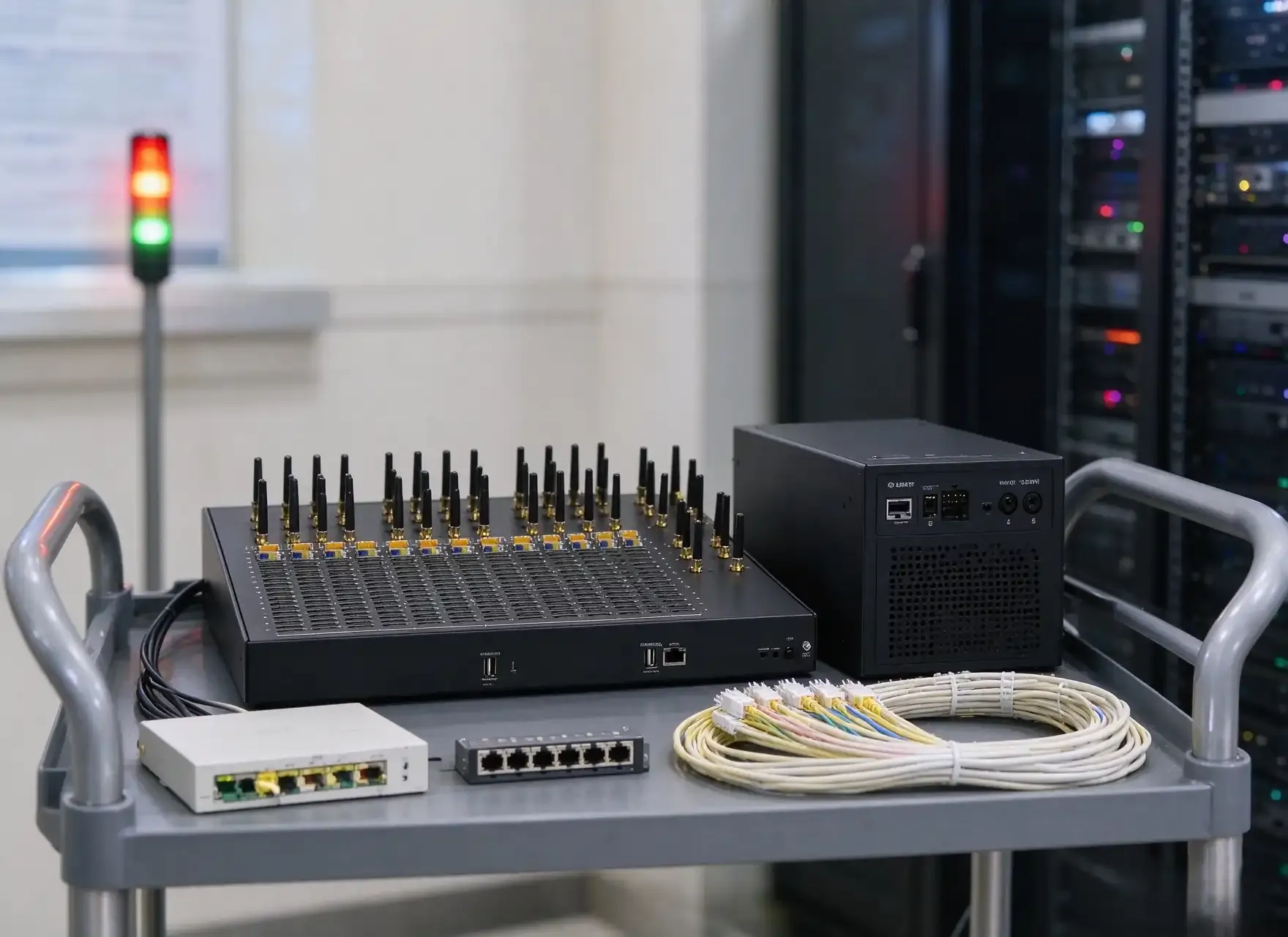
Global SMS Gateway Brands Comparison: Telarvo vs Cloud APIs
Compare Telarvo with Twilio, Sinch, Infobip and other cloud SMS APIs. Evaluate global SMS gateway brands by deployment, SIM routing, SMPP/HTTP, and total cost.
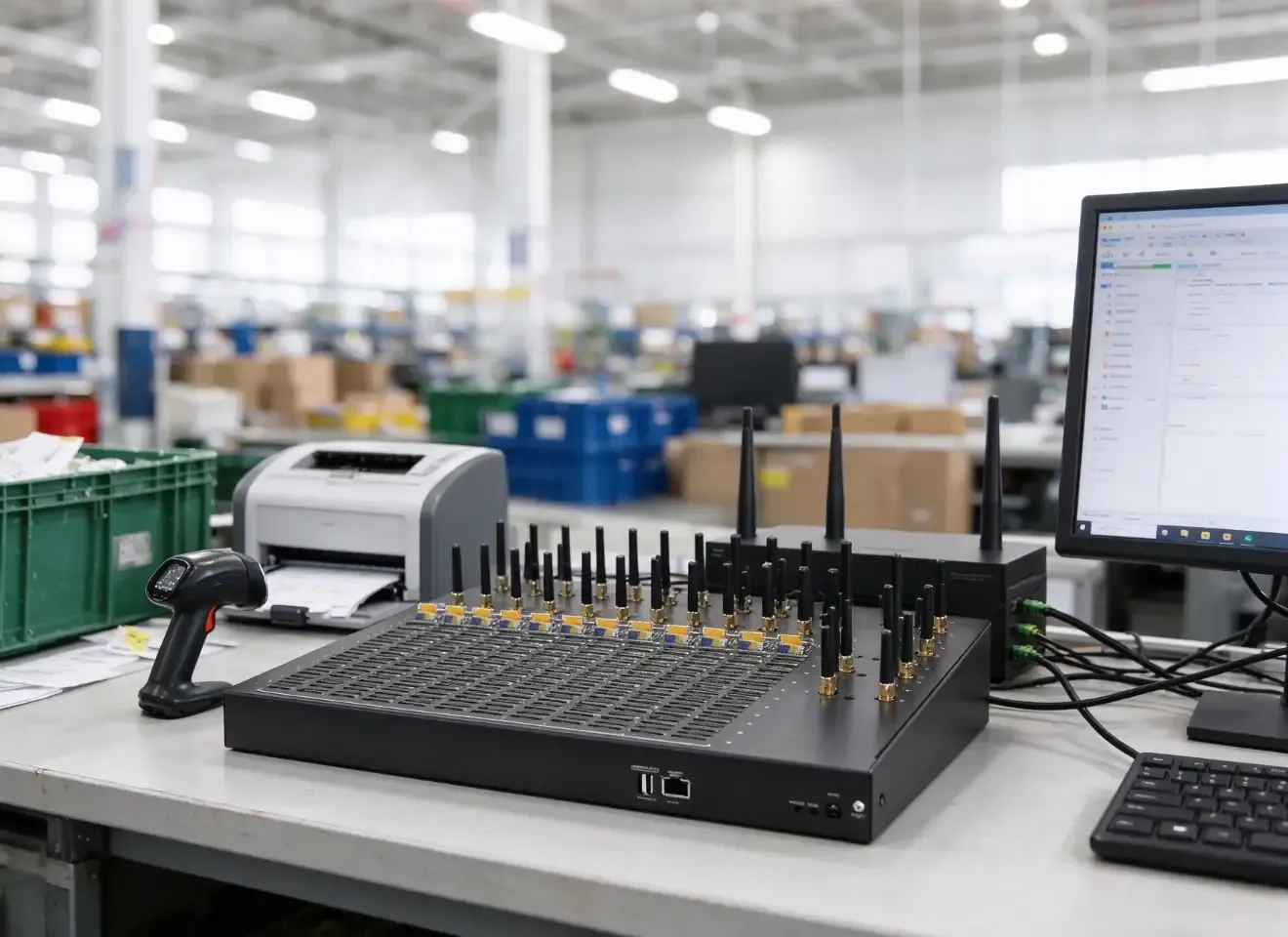
Cost-Effective SMS Gateway Suppliers: How to Choose the Right SMS Gateway Provider
Compare cost-effective SMS gateway suppliers by total cost—cloud APIs, SIM hardware gateways, SMS routes, and Telarvo evaluation criteria.
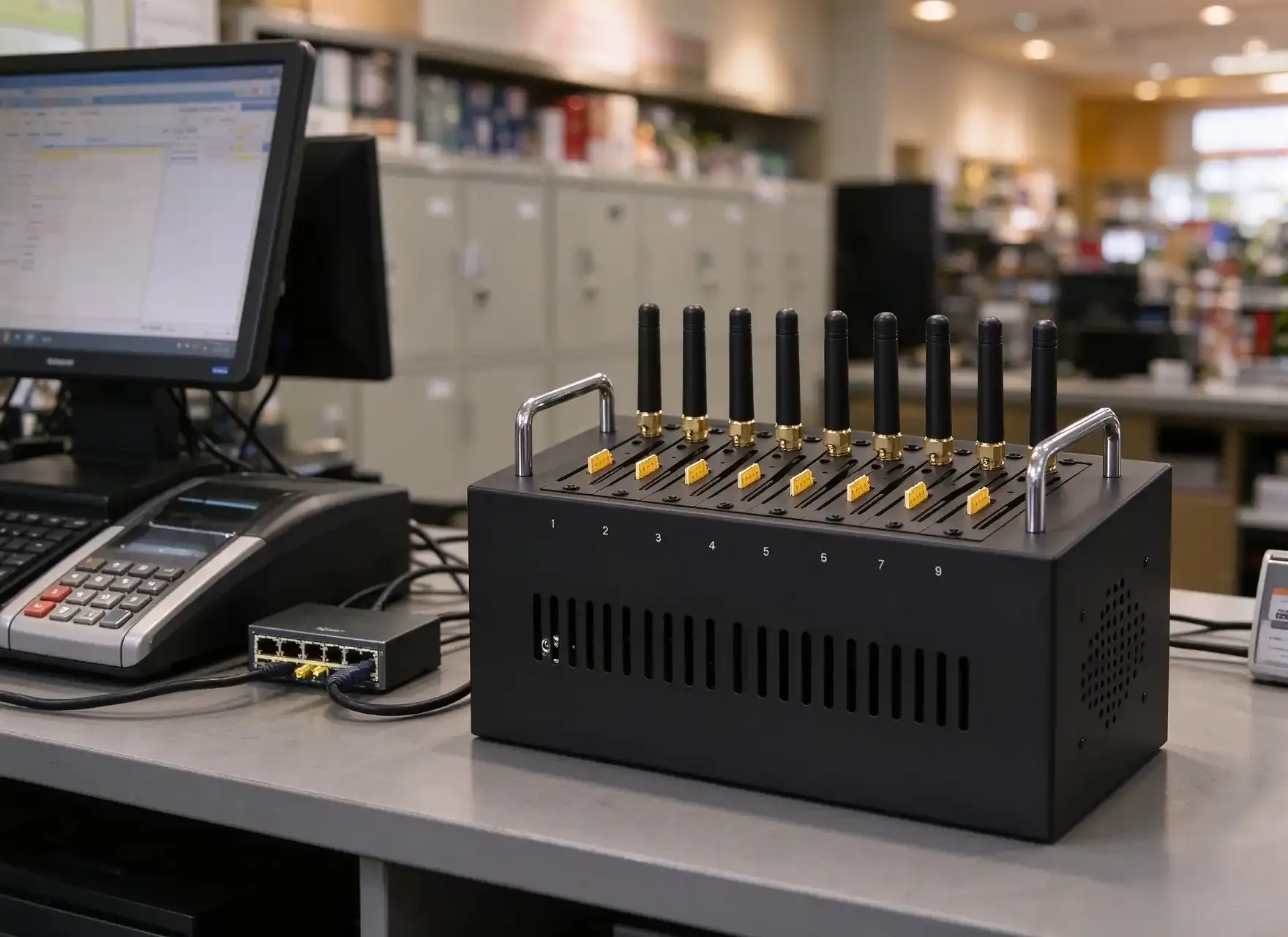
Choosing a Self-Hosted SMS Gateway: SMS Modem Data Privacy and Security Guide
Self-hosting an SMS modem improves data control but does not equal compliance. Covers GDPR Art. 32 measures, IMEI tampering risks, carrier SIM blocking, and real test results from Telarvo hardware.