How to Choose the Right Multi-Port VoIP Gateway for Your Network
Global voice traffic now extends beyond major carriers or national operators. Nowadays, numerous businesses, resellers, and service providers manage their own voice setups. They deal with international calls, verification traffic, customer service hotlines, and automated voice notifications. At the heart of these systems lies the multi-port VoIP gateway. Selecting an unsuitable one frequently results in dropped calls, blocked SIM cards, unreliable routes, or sudden cost increases.
Telarvo has engaged deeply in global voice and messaging infrastructure for over 19 years. The company works closely with operators in more than 200 regions. Its multi-port VoIP gateways are built to handle genuine traffic, actual SIM cards, and real business demands.
Understanding Multi-Port VoIP Gateways
A multi-port VoIP gateway serves as more than a simple device that changes SIP to GSM. It acts as the connection between IP networks and mobile or PSTN networks. Moreover, it manages voice, SMS, signaling, and SIM actions on a large scale.
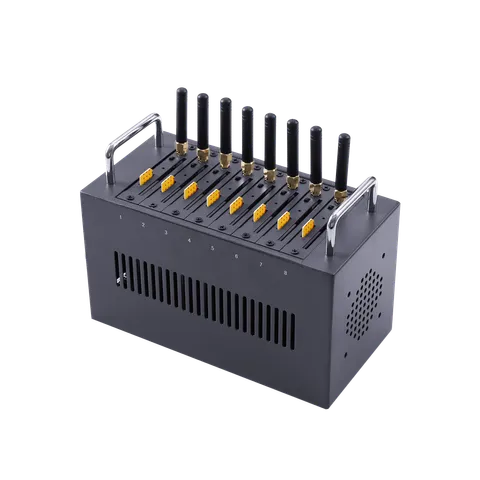
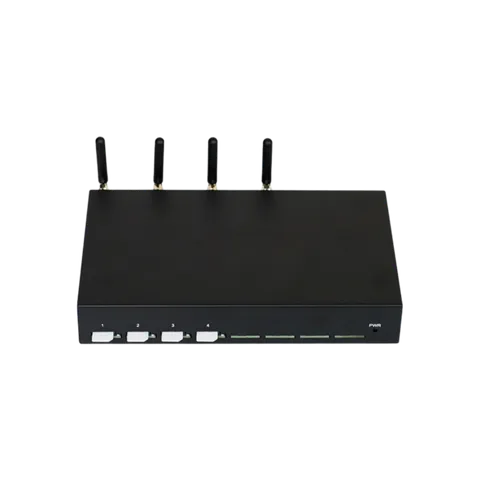
What Multi-Port VoIP Gateways Are Multi-port VoIP gateways link IP-based voice systems to mobile networks via physical SIM cards. Each port stands for a voice channel. Depending on the build, one port might oversee several SIM cards via automatic or manual switching. In actual setups, these gateways typically handle from 4 ports up to 32 ports. Additionally, their overall SIM capacity can reach hundreds. This setup enables you to make calls from local areas, cut down on termination expenses, and directly manage routing actions.
Why Multi-Port VoIP Gateways Matter Voice quality, call steadiness, and delivery rates rely greatly on the gateway level. Faulty hardware leads to echo, call interruptions, or odd call patterns that cause SIM blocking. On the other hand, dependable gateways, like those from Skyline, provide call data such as ASR, ACD, and PDD.
Key Components Of VoIP Gateways A trustworthy gateway brings together SIM slots, RF modules, SIP stacks, and control systems. Data from knowledge sources indicates that modern gateways also offer SIM hot swap, IMEI changes, unusual call tracking, and real-time SIM status views. These elements are essential.
Assessing Your Network Requirements Every network appears solid in written plans. However, actual conditions vary once traffic expands or paths shift. Before picking a gateway, you should align hardware limits with real-world use cases. Traffic habits vary between a call center, a verification setup, and a marketing effort. Thus, a single gateway needs to manage these changes without needing hands-on adjustments.
Determining Concurrent Call Volume Concurrent calls determine the exact number of ports required. For instance, a gateway that handles 32 concurrent calls suits a typical call center or a local voice termination path. Telarvo gateways allow up to 32 simultaneous calls per unit.
Evaluating Network Bandwidth And QoS Needs Gateways made for telecom settings back standard codecs like G.711, G.729, and G.723.
Considering PSTN And SIP Trunk Integration Numerous networks operate in blended settings. You might direct SIP traffic from a softswitch and then end calls locally using SIM cards. Gateways that back SIP v2.0 and common signaling methods ease this task. Based on real deployment examples, Telarvo gateways commonly appear in mobile-to-VoIP and VoIP-to-mobile cases. They work without needing intricate changes.
Comparing Multi-Port VoIP Gateway Types
Analog Vs. Digital VoIP Gateways Analog gateways work for simple PSTN lines and fit small offices well. In cross-border voice operations, SIM-based gateways lead because they permit local ending points and adaptable routing.
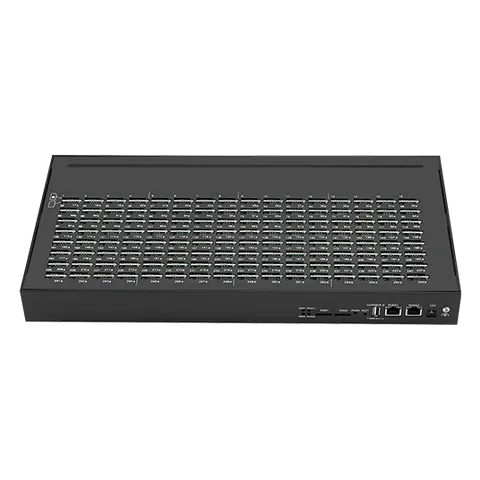
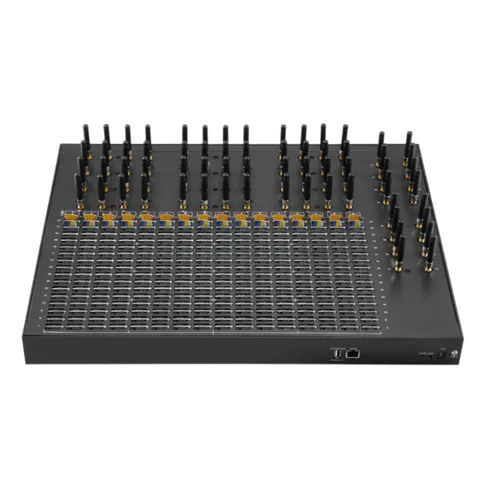
Fixed Port Vs. Modular Gateway Options Fixed-port gateways provide ease of use. Gateways managing up to 512 SIM cards via switching offer operators space to develop.
On-Premises Versus Cloud-Managed Gateways On-premises gateways offer complete oversight of SIM actions and routing guidelines. Telarvo devices include web remote access, API handling, and live oversight. These tools assist teams in managing equipment across nations without on-site visits.
Key Features To Look For The appropriate features lessen SIM restrictions, steady call quality, and ease expansion.
High Density Port Scalability Scalability involves more than just ports. It concerns how many SIM cards a unit can oversee without issues. Features like automatic SIM switching, usage monitoring, and timing controls aid in spreading traffic evenly.
Advanced Security And Encryption Security threats encompass unwanted entry and traffic theft. Gateways that back IP access limits, user rights handling, and safe signaling guard voice information and income sources.
Quality Of Service And Protocol Support QoS backing permits priority treatment for voice packets. When linked with thorough call data, it offers insight into network condition. Operators frequently use these measures to tweak paths before results fall under desired standards.
Choosing The Right Skyline Multi-Port VoIP Gateway
Once you have checked requirements and features, the ultimate choice usually hinges on dependability and assistance. Hardware breakdowns or wrong setups cost far more than the equipment price.
Telarvo High Performance VoIP Gateway Models Telarvo provides multi-port gateways that manage both voice and SMS. They include SIM hot swap, distant control, and detection of unusual calls. These units are constructed for nonstop work. That reliability accounts for their role in call centers, verification systems, and global voice services.
Telarvo Scalability And Future-Proof Designs Future expansion seldom matches precise forecasts. Units that back SIM groups and versatile routing adjust more quickly. Numerous ongoing partners grew from a single unit to many without altering their core setup.
Telarvo Support And Warranty Services The caliber of support influences true availability. Round-the-clock technical teams and personal engineer help. These elements explain why operators remain with Telarvo amid shifting markets.
Deployment And Management Best Practices
Planning Installation And Network Integration Place gateways in areas with steady power supplies and dependable network connections. Define clear routing instructions and correct SIP sign-ups to minimize later fixes. Materials from seasoned suppliers accelerate this stage.
Monitoring Performance And Call Quality Ongoing oversight stops hidden breakdowns. Gateways that display current SIM conditions and call figures enable quick responses before users detect problems. This practice holds special value for verification messages and urgent calls.
Securing VoIP Traffic And Access Controls Restrict entry by IP addresses and user positions. Update firmware routinely and examine SIM action records. These actions lower security dangers and operator examinations alike.
Cost Considerations And ROI
Cost evaluations typically center on equipment prices only. True returns encompass availability, SIM durability, and aid effectiveness.
Upfront Hardware And Licensing Costs Prices for multi-port gateways differ according to port numbers and capabilities.
Long-Term Operational Savings Reliable gateways cut SIM blocks, hands-on work, and call repeats. In the long run, these benefits surpass the starting equipment outlay.
ROI From Improved Voice Quality And Reliability Superior call quality boosts client approval and success rates. For business voice offerings, minor gains in ASR lead to clear income boosts.
FAQ
Q1: How Many Ports Are Needed For A Medium Call Center? A: Most medium call centers run effectively with gateways that support 16 to 32 concurrent calls. This depends on peak loads and call lengths.
Q2: Can One Gateway Handle Voice And SMS Together? A: Yes. Numerous current multi-port gateways manage both voice calls and SMS flows. This allows combined setups for verification and alerts.
Q3: How Does SIM Rotation Help Reduce Blocking? A: Automatic SIM rotation distributes traffic over various cards. As a result, it keeps call and SMS habits nearer to typical human patterns.
Q4: Is Remote Management Necessary For VoIP Gateways? A: Remote management eases oversight and issue resolution. It proves especially helpful when units sit in diverse regions.
Q5: How Long Does A VoIP Gateway Typically Last? A: With regular upkeep and firmware refreshes, solid gateways often operate without stop for multiple years. They avoid significant problems during that time.
Blog
Learn more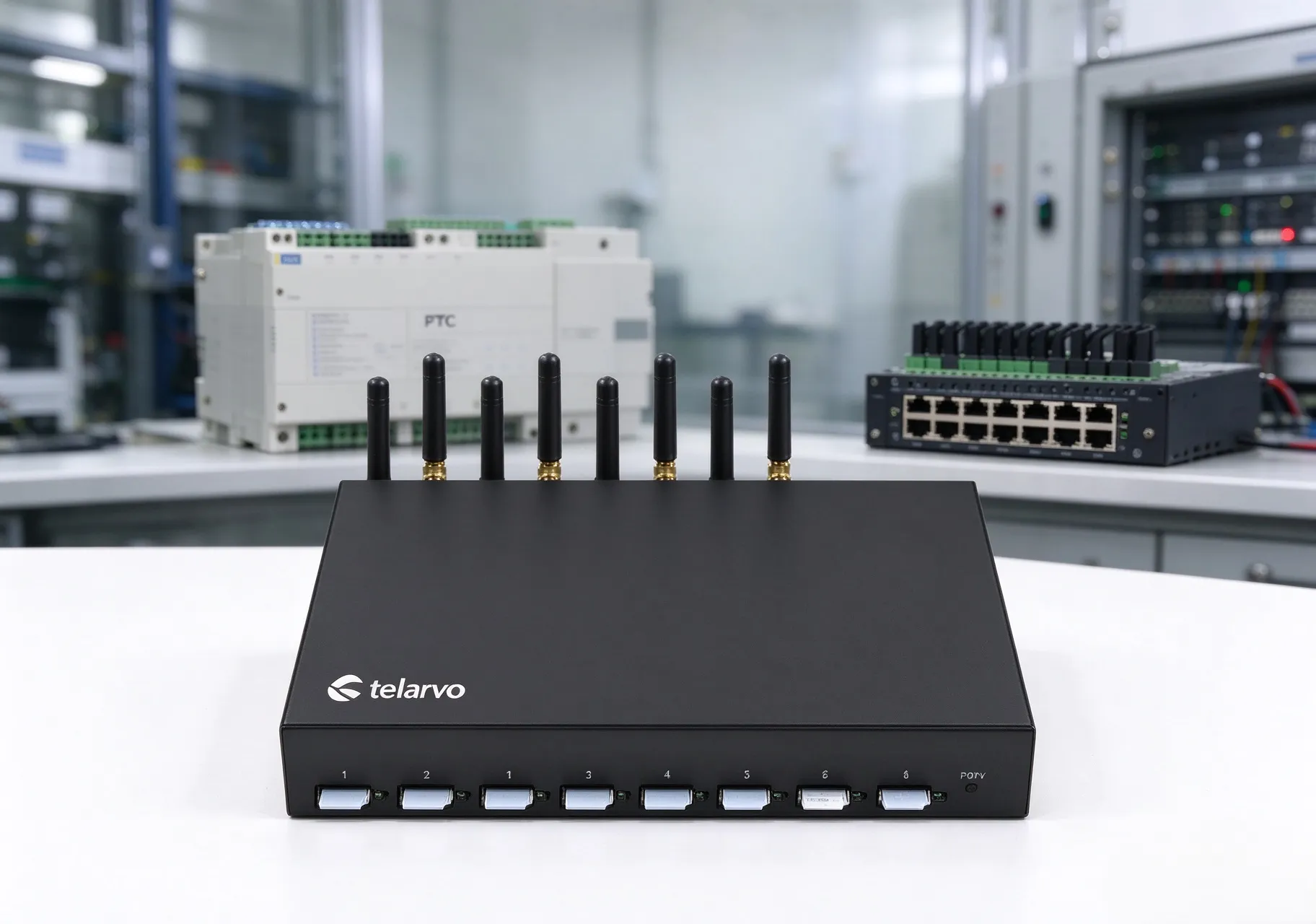
Secure SMS Gateway for Business: 64-Port Deployment Lessons
A real-world retrospective of switching from SMS aggregators to a secure SMS gateway for business. Covers hardware setup, SIM management, API integration, and compliance pitfalls from a 64-port rollout.
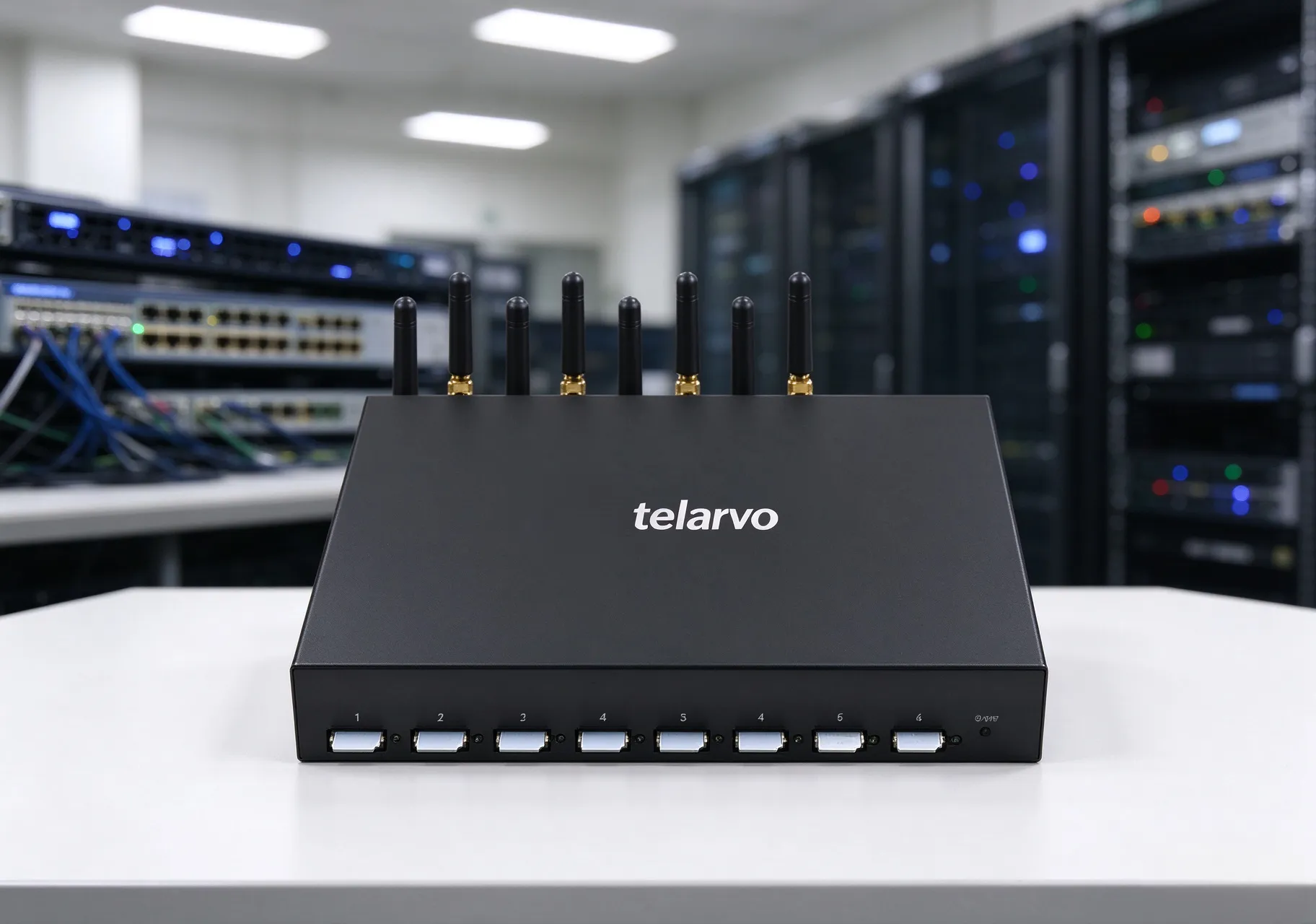
How to Select an Automated SMS SIM Card Pool Provider: Procurement Comparison Between Telarvo and Different Supplier Typ
Compare Telarvo SMS gateway & SIM pool hardware vs modem pools, temporary OTP services, IoT SIM platforms and SMS gateway software for enterprise SMS procurement.
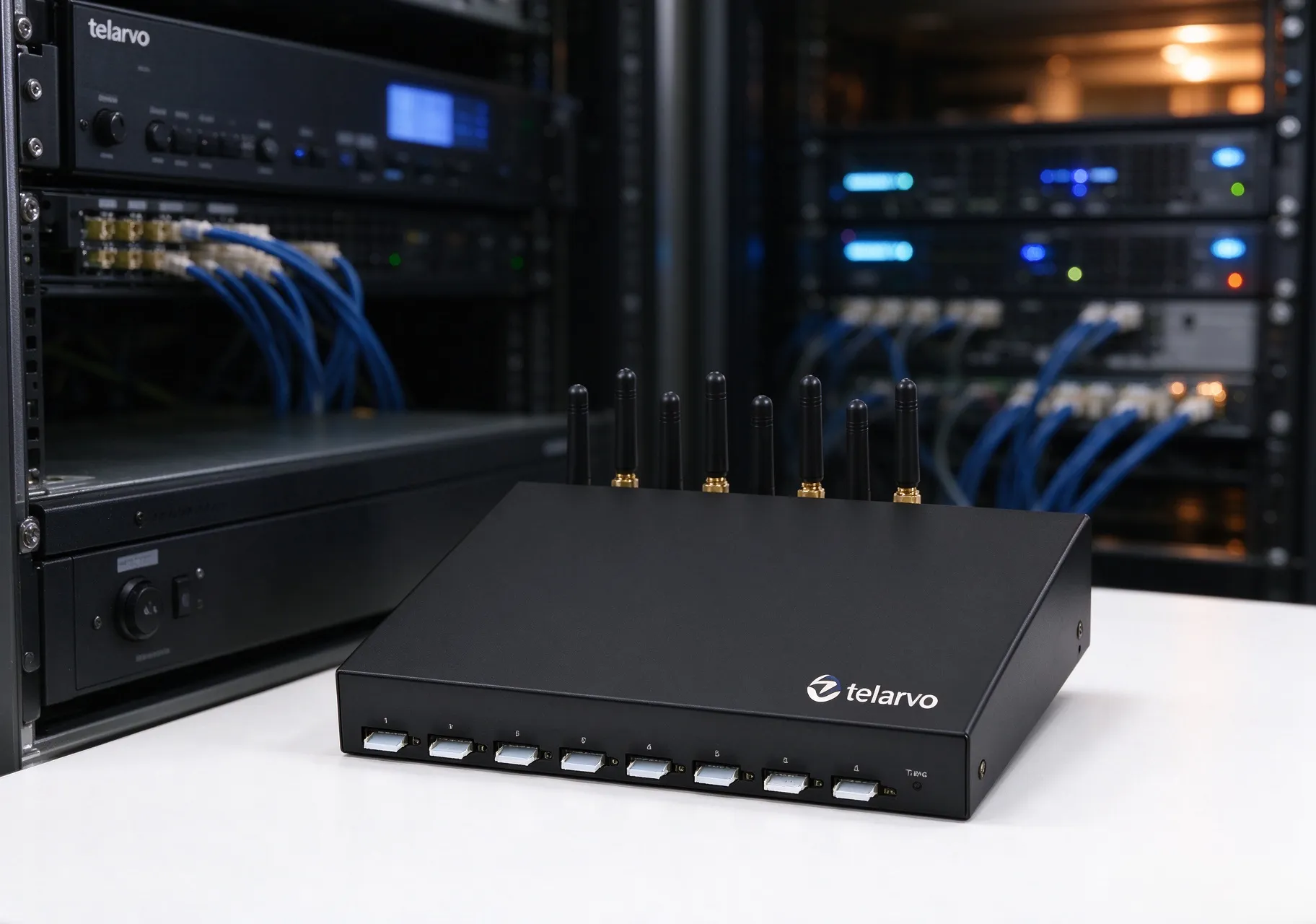
In-House SMS Platform Cost Checklist: Are You Missing These 8 Budget Items?
Cost estimation for building an in-house SMS platform often misses 8 hidden budget items. See hardware, labor, compliance, and infrastructure costs.