How to Send Bulk Marketing SMS Messages: Infrastructure, Methods, and Proven Tools for Scalable Results
Bulk marketing SMS serves as more than just an extra feature in digital marketing setups. It functions as a key telecommunications delivery method. This method follows carrier guidelines, signaling limits, and local compliance rules that many marketers rarely encounter directly.
To grasp how bulk SMS really works, one must look past basic message forms and control panels. Instead, focus on the core setup logic, message path behaviors, and oversight rules for delivery.
This piece offers a thorough, system-oriented overview of designing, setting up, protecting, and expanding bulk marketing SMS in 2026.
Introduction
Definition of Bulk SMS Marketing Bulk SMS marketing involves sending short message service content from a central point to big groups of recipients. It uses carrier-linked gateways, SIM-based path systems, or SMPP-enabled delivery setups.
These operate separately from everyday consumer messaging apps. In contrast to one-on-one SMS exchanges, bulk SMS follows business-like signaling methods. It also adheres to managed speed limits and content sorting rules set by mobile network providers in various areas.
Today, bulk SMS goes beyond a simple group send. It acts as a managed, rule-driven process. This process combines recipient grouping, send time controls, SIM life cycle handling, and feedback systems for delivery results.
Bulk SMS in the Current Digital Marketing Landscape Even with the rise of app-driven messaging options, SMS stands out as the sole worldwide format that skips the need for app installs on devices. It avoids platform ties and changes in user settings. Based on extended telecom data reviews from GSMA members, more than ninety percent of SMS messages get opened in under three minutes after arrival. Meanwhile, the typical open rate for approved email drives stays under thirty percent in most places.
Such steady user response benefits show why companies keep funding SMS systems. They do this even as other paths vary in results and rule acceptance.
Distinction Between Personal SMS and Bulk Marketing SMS Personal SMS comes from user devices and travels via standard consumer routes. On the other hand, bulk marketing SMS arises from systems that follow business send patterns.
Why Bulk SMS Continues to Matter at Scale
Market Growth and Structural Demand The worldwide A2P (Application-to-Person) SMS sector has shown steady yearly increases. These stem mainly from marketing alerts, deal confirmations, and check traffic.
Global A2P SMS amounts surpass three trillion messages each year. Marketing-linked traffic makes up a large part in areas like Southeast Asia, Africa, Latin America, and sections of Eastern Europe.
This ongoing need lasts because SMS holds a special spot between quick access and reliability.
Performance Benchmarks That Remain Stable Over several years of carrier data, SMS shows send success rates above ninety-five percent when following send rules. Plus, click or reply engagement levels beat most push alert standards by a wide margin.
The dependability of these figures clarifies why SMS gets viewed as a core system rather than a test tool. This view applies particularly to vital money-making message paths.
Enterprise Dependence on Predictable Delivery Businesses count on SMS not for its new ideas, but for its steady action during heavy use when built right. Skyline’s extended partnerships with hundreds of telecom providers around the world mirror this need for steadiness. Its tools aim to run non-stop in high-load setups, not just during short bursts of campaign activity.
How to Do Bulk SMS Marketing Correctly
Establishing Clear and Measurable Objectives
Strong bulk SMS marketing starts by setting clear goals that one can track at the send and reply stages.
Typical business goals cover deal verifications, promo sales boosts, service nudges, and account revival steps. Each calls for unique path choices and send rate plans.
In Skyline-backed setups, traffic often splits by goal at the SIM or gateway stage. This step avoids mixing effects on results between message types.
Building and Maintaining Permission-Based Contact Lists Creating lists with user approval acts as both a legal must and a tech need for lasting send reliability.
Carrier block tools check sender actions using past complaint levels, opt-out percentages, and user interaction history. Thus, messages without agreement harm later send success right away.
Top SMS runs always use organized join paths. These include sign-up steps, buy checks, and clear user okay methods built into online or in-person contacts.
Selecting a Bulk SMS Platform Based on Infrastructure Capability Picking a platform means focusing on setup strength over visual appeal.
Main review points cover SIM numbers per gateway, steady speed during heavy use, live SMS intake aid, and the power to manage send gaps at the device stage.
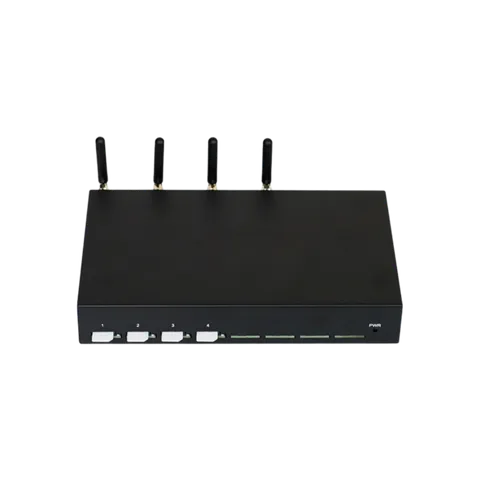
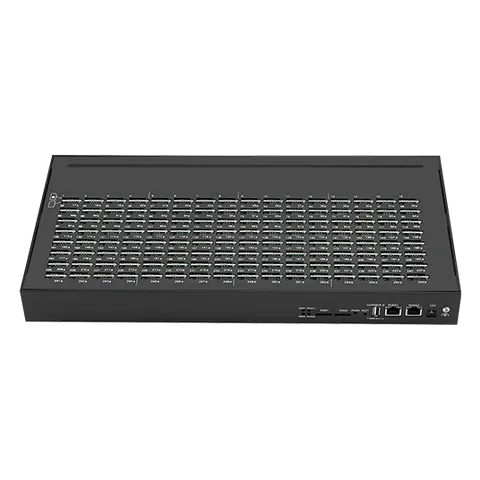
Skyline’s SMS Gateway Solution handles up to five hundred twelve SIM cards per setup unit. Tests show its speed hits five thousand four hundred forty messages per minute in managed settings. This offers a solid base for large-scale drives.
How to Send and Receive Bulk SMS Messages at the System Level
Messaging Infrastructure Options
Bulk SMS sending usually depends on one of three setup types: cloud APIs, straight SMPP links with providers, or SIM-based gateway units.
SIM-based gateways give the best local path control and action range. This proves helpful in areas with tough blocks or shifting provider rules.
Skyline’s gateways work via IP-linked designs. They connect platform message asks with nearby mobile networks using real SIM tools.
Sending Workflow Architecture A solid send process features ordered data intake, path picking, message form filling, gap oversight, and live tracking of sends.
Skyline’s ETMS and EIMS systems allow far-off entry to gateway units. This lets users tweak send actions on the fly using result input. Skyline avoid fixed drive guesses.
Receiving, Routing, and Processing Replies Two-way SMS turns bulk sending from one-way blasts into an active setup that manages yes replies, opt-outs, and user feedbacks.
Skyline gateways handle incoming SMS tasks, auto sends, and API ties to CRM or help systems. This creates full-circle message flows.
Message Composition, Timing, and Compliance Execution
Message Structure and Content Constraints SMS text must fit letter caps, code standards, and provider content rules that change by area.
Good messages stress clear points and fit, skipping too much custom touch or sales talk that raises block chances.
Timing and Frequency Governance Best send times rely on local user habits, area laws, and past interaction facts.
Strong SMS efforts check time slots by location and SIM batch. They slowly improve plans using seen reply trends, not guessed rules.
Regulatory Compliance Across Jurisdictions Rule needs vary a lot by area. They include okay standards, opt-out tools, text limits, and log duties.
Automation, Analytics, and Continuous Optimization
Automated Campaign Structures
Automation allows steady runs of repeat message paths like join alerts, nudge chains, and follow-up notes.
Skyline setup backs automation at the platform stage. At the same time, it keeps hand control over path and rate settings.
Performance Measurement and Refinement Real performance checks center on send win rates, reply actions, and later sale results. Skip surface-level interaction numbers.
Users often break down checks by area, SIM batch, and text type. This helps spot setup-level improvement chances.
Bulk Verification SMS as a Specialized Use Case
Verification Traffic Characteristics
Verification SMS stands apart from marketing flows due to its deal-based side, quick need, and rule hopes.
Send delays affect user views and setup trust directly. For this reason, path order and speed steadiness prove vital.
Skyline gateways back fast sends with managed gaps. They keep a mix of quickness and provider okay.
High-Impact SMS Deployment Scenarios
Time-Sensitive Promotional Campaigns
Short-term sales pushes gain from SMS speed. This helps when exact timing beats detailed design needs.
Segment-Focused Messaging Tailoring text plans for key user groups boosts replies. It also cuts extra traffic amounts.
Event and Alert Notifications Work alerts and nudges reach high read levels thanks to their practical use.
SMS Channels and Comparative Performance
Straight bulk SMS stays the most widely backed mobile message path. Its reach tops app options in most world areas.
RCS use grows in some spots, yet SMS keeps top match and forecast power.
Field standards place SMS open rates close to ninety-eight percent. This strengthens its spot as a strong send path.
Why Skyline Represents a Long-Term Bulk SMS Infrastructure Standard
Skyline sets itself apart with its full telecom setup method. It blends approved gear, worldwide provider ties, and steady tech aid.
With FCC and CE approvals, eighteen years of run history, and tools for steady large sends, Skyline gives a setup base built for lasting firmness. It avoids short drive focus.
Its gateways, modem groups, and control platforms back marketing SMS, check codes, alerts, and business message flows in one linked setup.
More gear details and setup choices appear at https://www.skylinecentre.com/.
Conclusion
Bulk marketing SMS works well when seen as telecom setup, not marketing tests.
Lasting results rely on rule-follow list care, managed send actions, trusty gear, and steady checks.
As online paths keep splitting user focus, SMS holds its worth by staying basic, everywhere, and reliable.
FAQ
Q1: Is bulk SMS still a viable marketing channel in 2026? A:Bulk SMS stays useful thanks to its top reach, steady send actions, and high steady reply numbers across varied world areas.
Q2: What differentiates hardware-based SMS gateways from cloud-only platforms? A:Hardware gateways offer better grip on path actions, SIM care, and send trends. This leads to stronger send firmness in heavy-use cases.
Q3: Can Skyline support mixed traffic including marketing and verification SMS? A:Skyline tools handle mixed flow types with settable paths, order controls, and live checks. These keep results strong across needs.
Blog
Learn more
Global SMS Gateway Brands Comparison: Telarvo vs Cloud APIs
Compare Telarvo with Twilio, Sinch, Infobip and other cloud SMS APIs. Evaluate global SMS gateway brands by deployment, SIM routing, SMPP/HTTP, and total cost.
Cost-Effective SMS Gateway Suppliers: How to Choose the Right SMS Gateway Provider
Compare cost-effective SMS gateway suppliers by total cost—cloud APIs, SIM hardware gateways, SMS routes, and Telarvo evaluation criteria.

Choosing a Self-Hosted SMS Gateway: SMS Modem Data Privacy and Security Guide
Self-hosting an SMS modem improves data control but does not equal compliance. Covers GDPR Art. 32 measures, IMEI tampering risks, carrier SIM blocking, and real test results from Telarvo hardware.