Inside SMS Gateway Multi SIM Capacity: The Parallel Architecture Behind 5,440 Messages Per Minute
Last month, a cross-border e-commerce CTO complained to me that their “high-spec” SMS device crashed during Black Friday warm-up. Marketing messages with promo codes sat in the queue until the campaign was over. The delay wasn’t a network problem—concurrency was choked at the hardware bottleneck. Many vendors will tell you that adding more SIM cards solves congestion. That’s not true. Simply increasing SIM count without intelligent routing and load balancing at the bottom layer level only gets your single-operator channel flagged faster. According to the GSMA Mobile Economy Asia Pacific 2025 report, the region’s mobile ecosystem contributed $950 billion in economic value in 2024, with 5G connections projected to reach 50% by 2030. As mobile data traffic keeps expanding, SMS gateway concurrency is shifting from “good enough” to “must be redundant.”
Parallel Processing Architecture: Throughput Isn’t Built by Stacking Card Slots
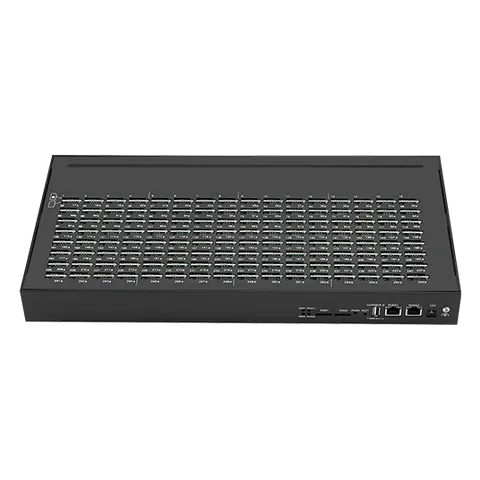
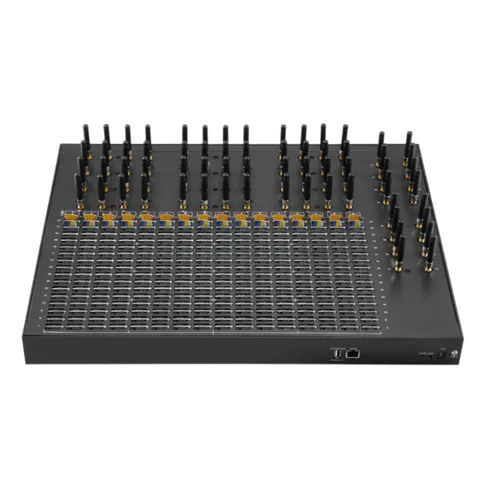
Real throughput comes from parallel processing capability. Telarvo’s SK SMS Gateway 64 512 takes an extreme approach here. It doesn’t blindly stack slots—it uses an IP-based architecture to enable true cross-SIM load balancing across 512 SIM slots. According to Telarvo’s official specification comparison, under full SIM load with sufficient carrier capacity, the platform’s rated processing capability reaches 5,440 messages per minute—a capacity planning reference ceiling, not a guaranteed rate per device. You might ask: what does 5,440 messages per minute mean for an enterprise? It means when your web application fires batch verification requests via HTTP API, or your backend pushes mass notifications via SMPP, the device doesn’t queue.
Dual-Network Redundancy: The Invisible Defense Line When Signal Fluctuates
In real physical environments, 2G or 4G signals are never constant. When signal quality fluctuates on one band, message failure rates climb if the device can’t switch in time. Telarvo’s built-in 2G/4G dual-network redundancy completes network switching at millisecond level. This “invisible defense line” is the precondition for absolute transmission stability.
Here are the hard specs of this device in actual deployment:
| Core Dimension | Telarvo SK SMS Gateway 64 512 Specifications |
|---|---|
| SIM Card Capacity | Up to 512 slots, auto/manual rotation supported |
| Platform Rated Throughput | 5,440 messages per minute (planning reference) |
| Network Support | 2G and 4G dual-network redundancy, auto-switching on signal fluctuation |
| Interface Capability | IP-based architecture, full SMPP and HTTP API support |
SMPP and HTTP API: The Twin Engines of System Integration
Strong hardware means nothing if software integration lags. For high-throughput systems, SMPP is the first choice; for web applications that need fast deployment, HTTP API simplifies operations. According to IDT Express’s SMPP glossary, SMPP—a binary TCP/IP protocol—achieves extremely low-overhead, high-throughput transmission through persistent connections: a single connection typically supports 50 to 300 messages per second, and multi-binding parallelism can reach thousands per second. Telarvo’s SK-SMS Gateway exposes both SMPP and HTTP API interfaces, allowing enterprises to connect CRM, ERP, OTP, and marketing platforms directly to the device IP address. Send intervals, routing rules, delivery reports—all under code control.
Anti-Blocking Technology: How to Evade Carrier Risk Control Radar
High concurrency brings high risk. When a single SIM card sends a large volume of messages in a short window, it easily triggers carrier risk control. SK SMS Gateway 64 512 supports automatic or manual SIM rotation, combined with real-time routing control, to intelligently distribute traffic. Telarvo’s distribution function supports configurable pacing and rate control strategies, helping marketing teams spread campaign traffic across the entire SIM pool and keep each number’s send rate within carrier terms.
From Hardware to Software: The Ultimate Test of Full-Chain Stability
Can a device withstand weeks of continuous high-load operation after purchase? That depends on the cooling system and firmware stability. Telarvo incorporates enterprise-grade deployment thinking into product design—a powerful cooling system ensures the device won’t throttle or crash from overheating during sustained bulk sending. Meanwhile, the bundled free SMS sending software supports scheduled sending, contact import, multi-threaded sending, and auto-retry, making automation workflows truly operational. Telarvo provides a 12-month hardware warranty on every device, ships within two business days of order confirmation, and international delivery typically takes 5 to 10 business days.
Customizable Expansion: Meeting Future Business Growth
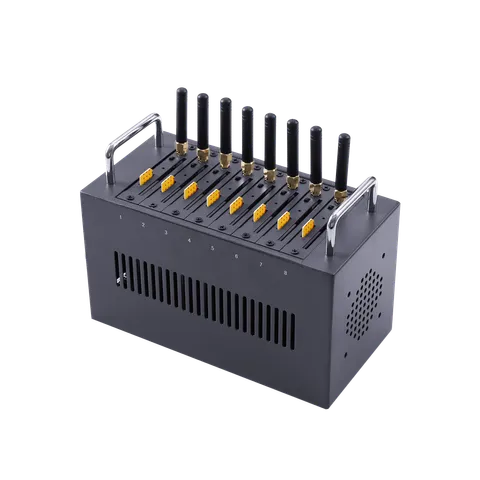
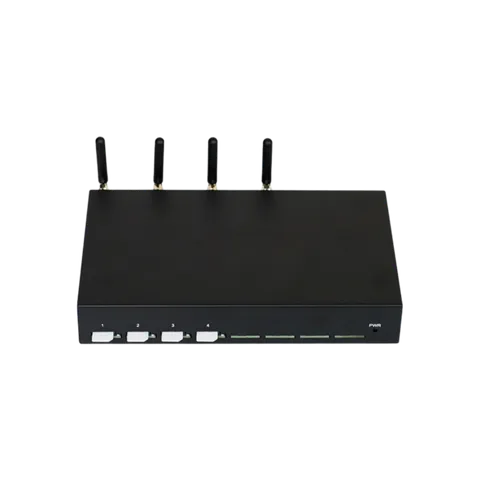
Enterprises must consider future growth headroom when selecting telecom hardware. Telarvo offers a rich product line from 16 ports to 64 ports, supporting up to 512 SIM card capacity. Whether you’re a startup or a large multinational, there’s a matching solution. This scalability means enterprises don’t need to repurchase an entire system when business doubles—they simply expand as needed.
Frequently Asked Questions (FAQ)
What API interfaces does this gateway support?
Telarvo’s gateway fully supports SMPP and HTTP API. SMPP is designed for high-throughput applications and suits large-scale bulk SMS delivery; HTTP API is better suited for web applications and automated workflows, allowing developers to complete integration and debugging quickly.
How do 512 SIM slots achieve load balancing?
The device has a built-in intelligent routing system that automatically distributes send tasks across different SIM cards based on real-time carrier network status and SIM usage frequency. Telarvo’s distribution function supports configurable pacing and rate control to spread traffic across the SIM pool.
Is the 5,440 messages per minute throughput a peak or normal value?
5,440 messages per minute is Telarvo’s rated capability under “full SIM load with sufficient carrier capacity”—a planning reference. Actual sustained throughput depends on active SIM count, carrier limits, signal quality, and message encoding.
Does 2G/4G network switching affect send speed?
No. The dual-network redundancy design provides millisecond-level switching. When signal fluctuates on one band, the device instantly switches to the other normal network, and the process is nearly transparent to send tasks.
Does the device come with sending software? What features does it support?
Yes. The device includes free SMS sending software supporting bulk contact import, scheduled sending, multi-threaded sending, delivery status tracking, and auto-retry.
How do I get a free quote and technical specification documents from Telarvo?
Contact us via the website’s live chat or Telegram. Our team responds within 24 hours and provides customized free quotes and detailed technical specifications based on your business scale.
About Telarvo
Telarvo Telecom Co., Ltd. is a technology company focused on R&D and manufacturing of value-added telecom services and hardware, with over 18 years of operational experience reaching more than 200 countries and regions. Our core strength lies in deeply integrating high-density SIM management with IP protocol stacks, enabling enterprises to replace dependence on third-party SMS aggregation platforms with their own hardware. The SK-SMS Gateway series ranges from 4 ports to 64 ports with up to 512 SIM slots, covering scenarios from startup teams to carrier-grade deployments. Every device undergoes high-temperature aging and protocol compatibility testing before shipment, and comes with a 12-month warranty and 7×12 technical support. If you’re evaluating the feasibility of building your own SMS channel, our engineering team can assist with capacity planning and protocol integration preliminary assessments.
Sources:
- GSMA — Mobile Economy Asia Pacific 2025
- IDT Express — SMPP Glossary
- Telarvo Blog — Bulk SMS Machine with SIM Slots: Gateway Models Compared
Blog
Learn more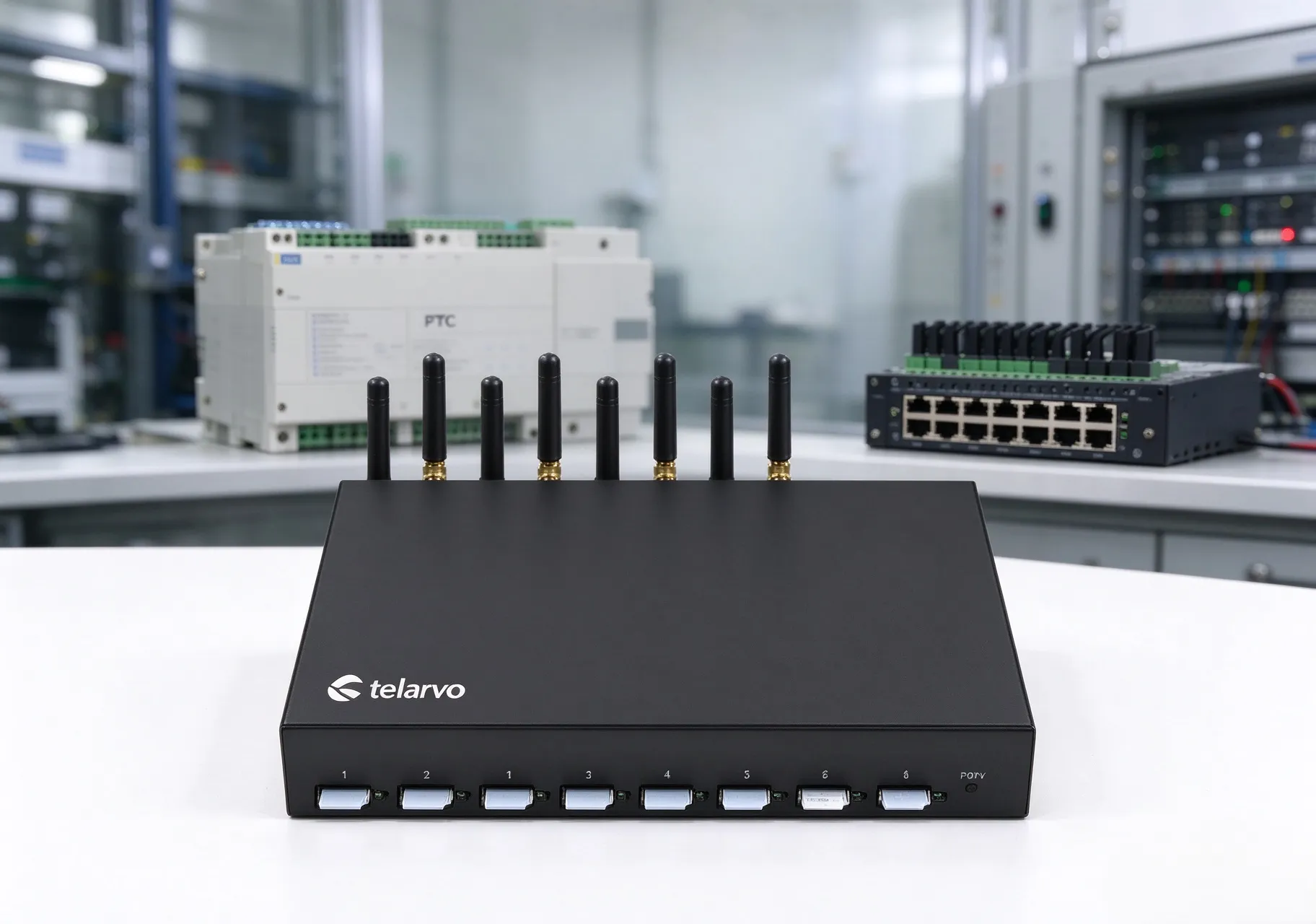
Secure SMS Gateway for Business: 64-Port Deployment Lessons
A real-world retrospective of switching from SMS aggregators to a secure SMS gateway for business. Covers hardware setup, SIM management, API integration, and compliance pitfalls from a 64-port rollout.
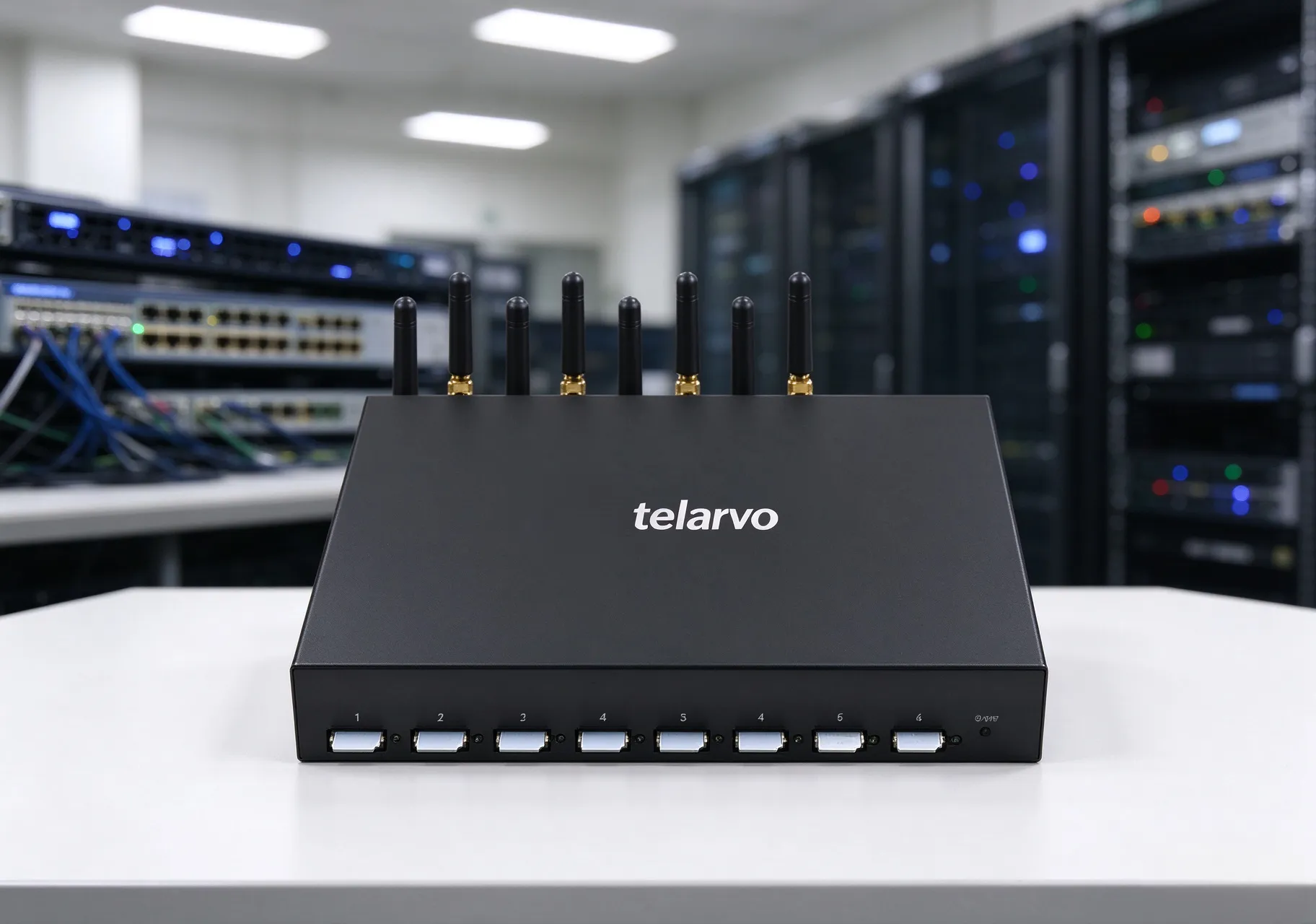
How to Select an Automated SMS SIM Card Pool Provider: Procurement Comparison Between Telarvo and Different Supplier Typ
Compare Telarvo SMS gateway & SIM pool hardware vs modem pools, temporary OTP services, IoT SIM platforms and SMS gateway software for enterprise SMS procurement.
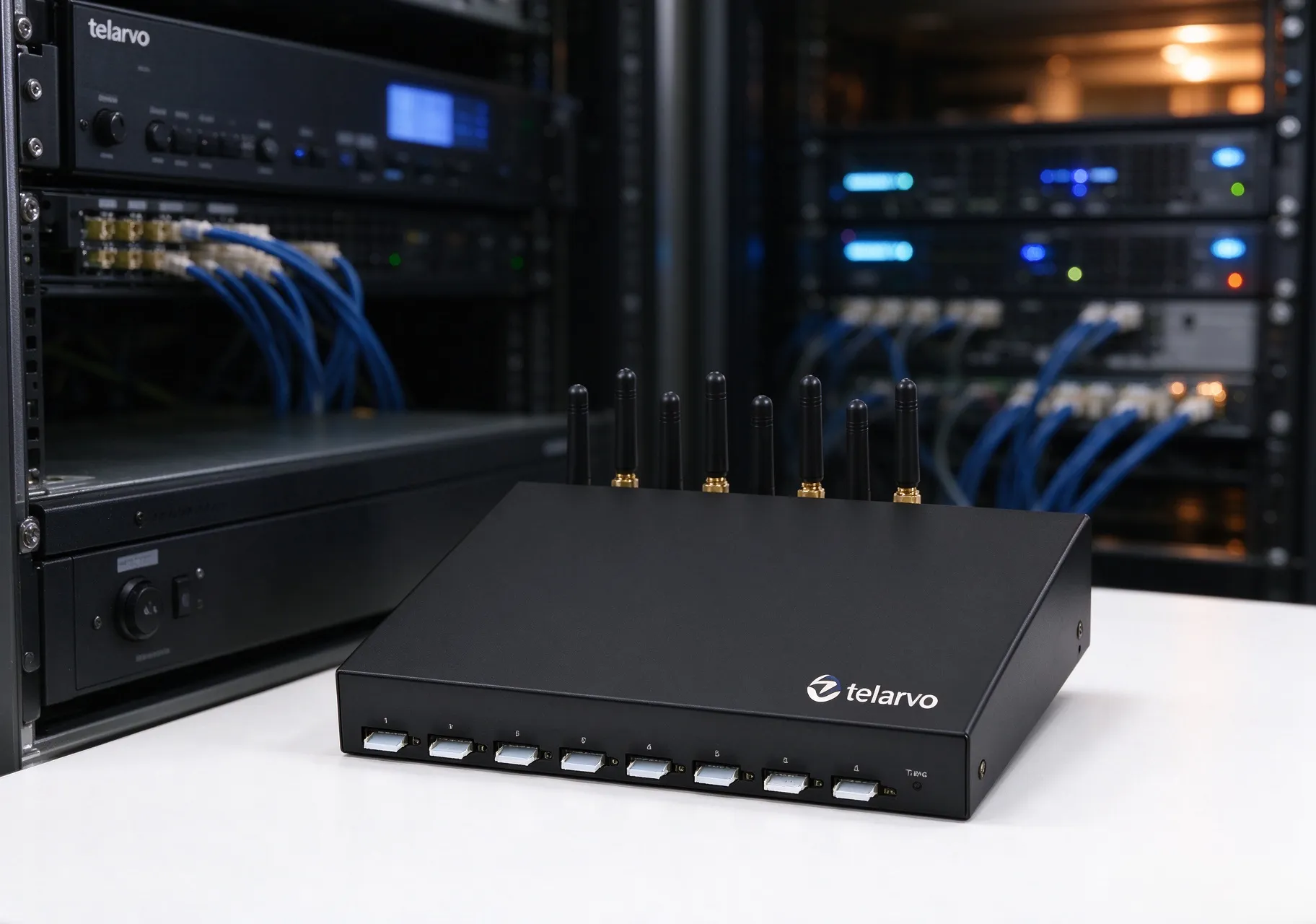
In-House SMS Platform Cost Checklist: Are You Missing These 8 Budget Items?
Cost estimation for building an in-house SMS platform often misses 8 hidden budget items. See hardware, labor, compliance, and infrastructure costs.