Latest Trends in SMS Marketing Hardware for 2026
SMS marketing in 2026 no longer revolves around simple message volume. What truly matters now is delivery stability, SIM safety, long-term cost control, and the ability to scale without sudden interruptions. Hardware has quietly moved back to the center of professional SMS operations, especially for businesses that cannot afford traffic drops during peak campaigns or verification bursts.
This shift explains why many operators are turning to Telarvo. With over 19 years in global telecom, Telarvo focuses on SMS and voice gateway hardware built for real networks. Their devices are deployed across regions such as Brazil, Bangladesh, Philippines, Indonesia, Cambodia, United States, Singapore, Taiwan, handling daily traffic for marketing, verification, notifications, and enterprise communication. Telarvo provides physical gateways, SIM pools, and management systems that reflect how mobile networks actually behave.
The Evolution of SMS Marketing Hardware in 2026
SMS hardware never disappeared. It adapted quietly while carrier rules tightened and filtering became more aggressive. In 2026, hardware is no longer a fallback option.
Market Drivers Behind Hardware Based SMS Solutions Carriers now monitor sending behavior more closely than ever. Static patterns, short bursts, and uniform timing raise flags fast. Hardware allows traffic to be distributed across local SIM cards with adjustable intervals, usage limits, and rotation rules.
Why Hardware Still Beats Pure Cloud Messaging Hardware gateways expose SIM status, sending history, lock events, and network responses in real time. Telarvo gateways, for example, allow live SIM monitoring and remote control through web access and APIs, which reduces guesswork during active campaigns.
Key Benefits of On Premise SMS Gateways Modern gateways support HTTP and SMPP, remote firmware updates, and centralized dashboards. You gain predictable costs and the ability to adjust traffic per country or operator without waiting on external providers.
Modern SMS Gateway Hardware Explained
SMS hardware in 2026 is built around behavior management rather than raw speed. The goal is consistent delivery across weeks and months.
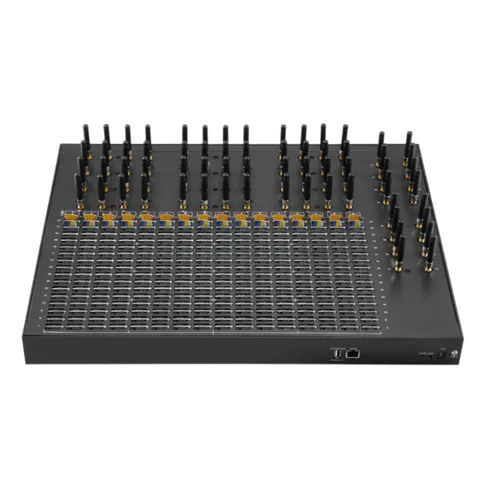
What Defines High Performance SMS Gateway Devices High performance means stable throughput with minimal SIM blocking. Telarvo SMS gateways support up to 512 SIM cards in a single system, with controlled sending logic per SIM. This allows thousands of messages per minute under managed conditions, while still maintaining safe usage patterns.
Core Hardware Capabilities for Bulk Messaging Key features include automatic and manual SIM rotation, IMEI modification, SIM usage tracking, abnormal activity alerts, and live receive support.
Typical Use Cases for Enterprise SMS Gateways Common applications include login and payment verification, system alerts, logistics updates, ticket delivery, and promotional campaigns. Skyline hardware is widely used in hotels, government systems, e-commerce platforms, and call centers.
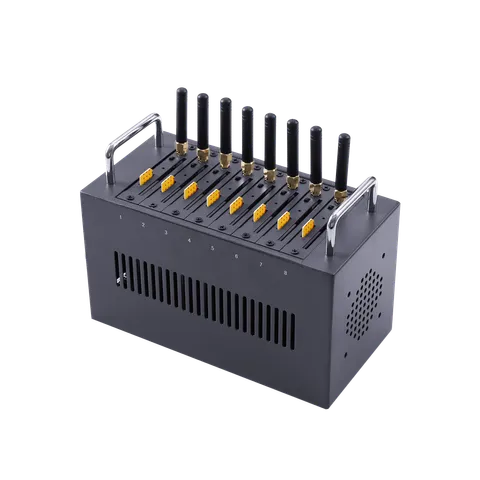
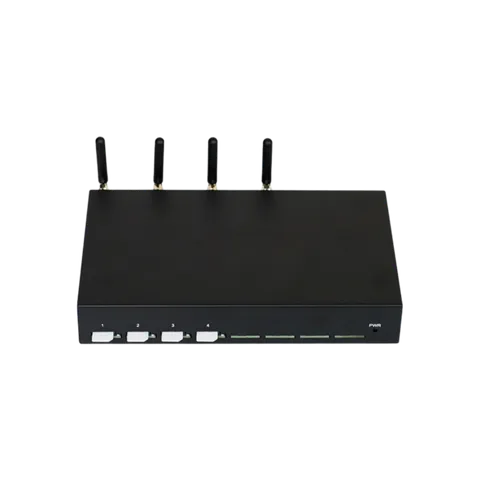
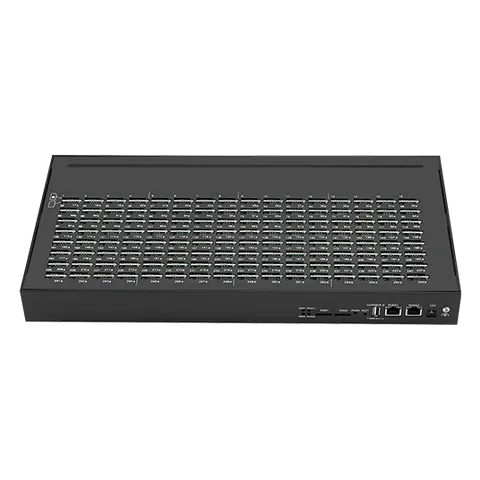
Telarvo SMS Gateway Products for 2026 Looking at real hardware helps turn trends into something practical. Skyline’s gateway lineup reflects how SMS businesses actually operate today.
Multi SIM SMS Gateway Architecture Telarvo gateways use multi-port designs that allow SIM cards to switch automatically or manually. Sending rules apply at the SIM level. This makes traffic distribution more natural and reduces the risk of mass blocking during campaigns.
Scalable SIM Capacity From 8 to 512 Slots Growth often exposes weak systems. Telarvo hardware is designed for gradual expansion. You can start small and add SIMs or ports without changing architecture.
Protocol Support and API Integration Support for HTTP, SMPP, AT commands, and USSD allows seamless integration with existing platforms. Whether traffic comes from a CRM, billing system, or custom application, the gateway adapts without forcing workflow changes.
Trend One Ultra High Throughput SMS Hardware Throughput remains important, but speed alone no longer defines success. The focus is now on controlled speed.
What High Throughput Means for Campaign Results High throughput in 2026 means sustained output without triggering filters. Sending too fast often leads to sudden drops later. Hardware spreads traffic across SIMs and time windows, which keeps delivery stable throughout long campaigns.
Hardware Throughput and Rotation Logic Telarvo SMS gateways can reach peak rates of up to 5,440 messages per minute under proper configuration. The critical factor is how traffic rotates across SIMs and ports, keeping each SIM within safe daily and hourly limits.
Use Cases That Demand High Throughput Flash sales, mass verification events, and time-sensitive notifications all require speed with control. Hardware provides that balance when centralized routes start throttling or delaying messages.
Trend Two API Driven SMS Systems
Why SMPP and HTTP Still Matter These protocols remain widely supported and stable. They allow systems to trigger messages instantly, handle callbacks, and process delivery reports without human intervention.
How Hardware Supports Full Automation Telarvo gateways expose APIs for sending, receiving, SIM control, and monitoring. This allows logic based on SIM health, time zones, or traffic type. Automation reduces errors and keeps systems responsive during traffic spikes.
Benefits for Developers and Operators Developers gain predictable behavior. Operators gain visibility. Marketing teams see fewer surprises during live campaigns. This balance supports steady growth.
Trend Three Intelligent SIM Management SIM management is where many SMS systems fail quietly. Hardware brings this layer back under control.
Why SIM Rotation Protects Delivery Static usage patterns stand out to carriers. Rotation changes timing, sequence, and load naturally. This makes sending behavior closer to that of real mobile users.
Live Monitoring and Automatic Switching Telarvo gateways monitor SIM status in real time. When a SIM hits usage limits or shows abnormal behavior, the system can lock or switch it automatically. This reduces downtime without constant manual checks.
Trend Four Flexible Deployment Models
Local Office and Remote Installation Some devices sit in offices, others in data centers. Modern gateways support both setups. Remote web access allows centralized control regardless of location.
Hybrid Hardware and Platform Models Many operations combine local gateways with centralized platforms. Hardware handles sending and SIM logic, while platforms manage workflows and reporting. This hybrid model is common in cross-border operations.
Industry Examples Across Regions From logistics notifications in Europe to marketing campaigns in Asia, flexible deployment keeps systems usable across markets.
FAQ
Q1: Why is SMS marketing hardware still relevant in 2026? A: Hardware provides direct control over SIM behavior, sending intervals, and delivery stability.
Q2: Is remote management difficult with physical SMS gateways? A: No. Modern gateways offer full web and API access, allowing remote monitoring and control from anywhere.
Q3: How does SIM rotation reduce the risk of blocking? A: Rotation spreads traffic across SIMs and time windows, creating usage patterns closer to real mobile behavior.
Blog
Learn more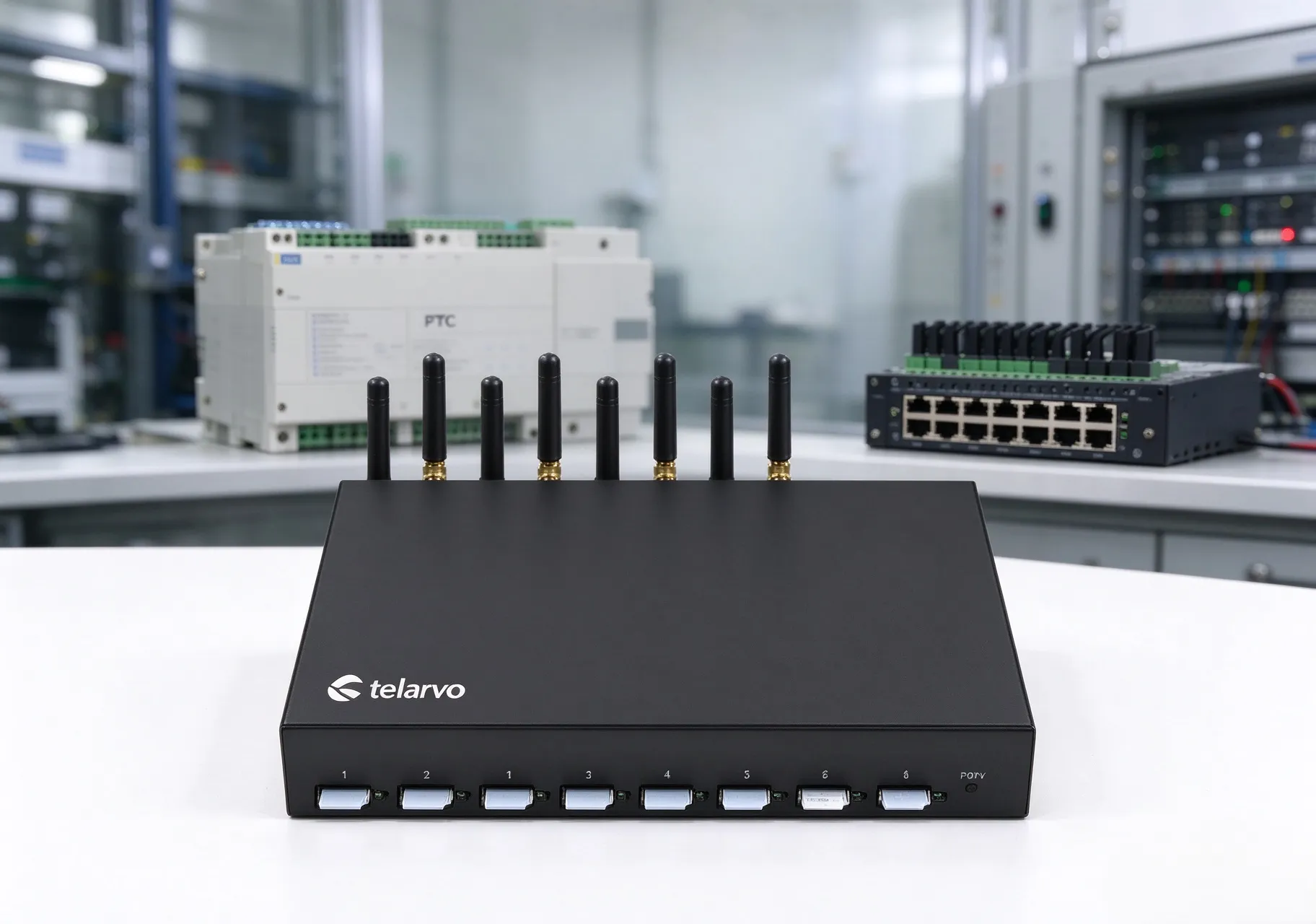
Secure SMS Gateway for Business: 64-Port Deployment Lessons
A real-world retrospective of switching from SMS aggregators to a secure SMS gateway for business. Covers hardware setup, SIM management, API integration, and compliance pitfalls from a 64-port rollout.
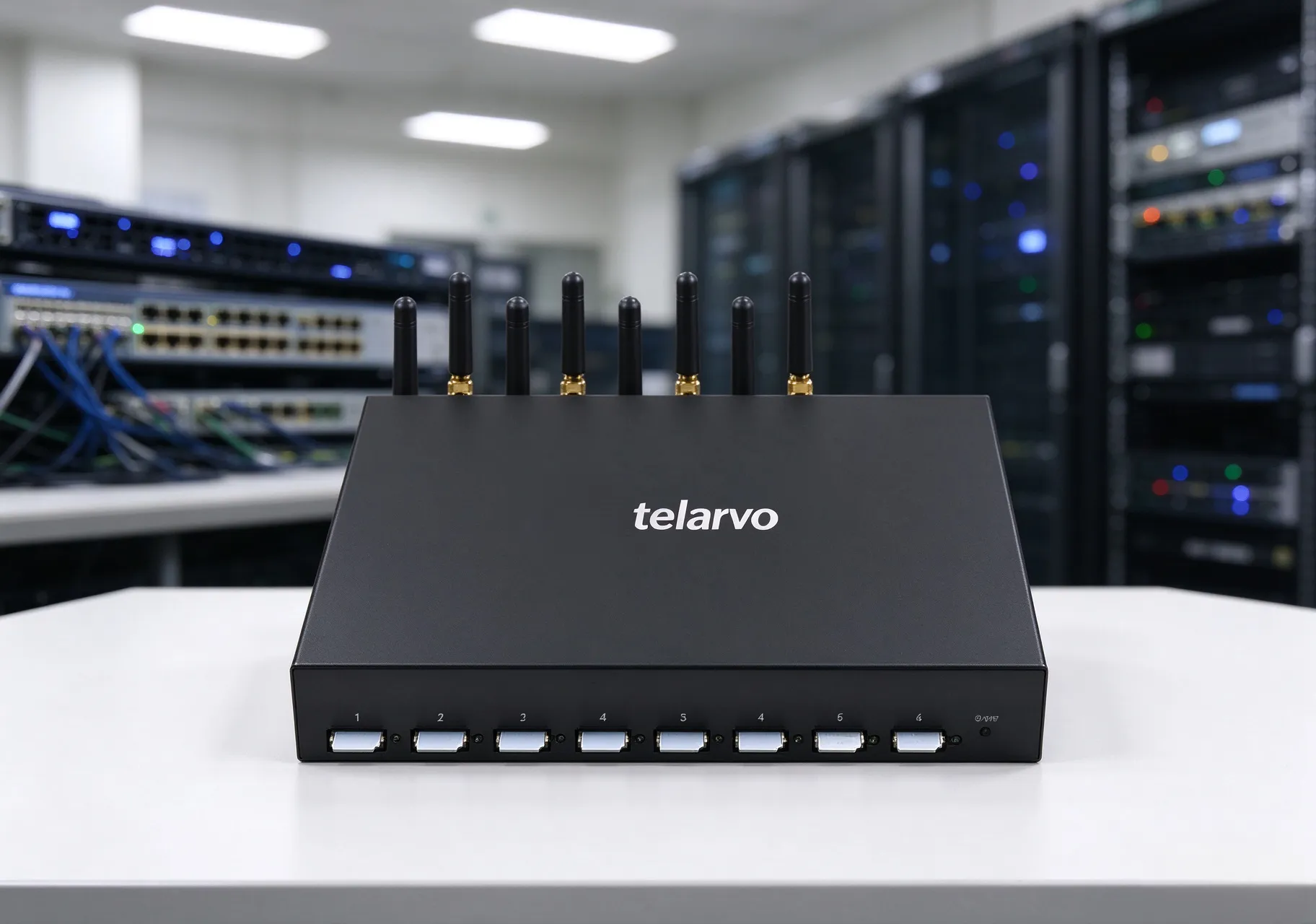
How to Select an Automated SMS SIM Card Pool Provider: Procurement Comparison Between Telarvo and Different Supplier Typ
Compare Telarvo SMS gateway & SIM pool hardware vs modem pools, temporary OTP services, IoT SIM platforms and SMS gateway software for enterprise SMS procurement.
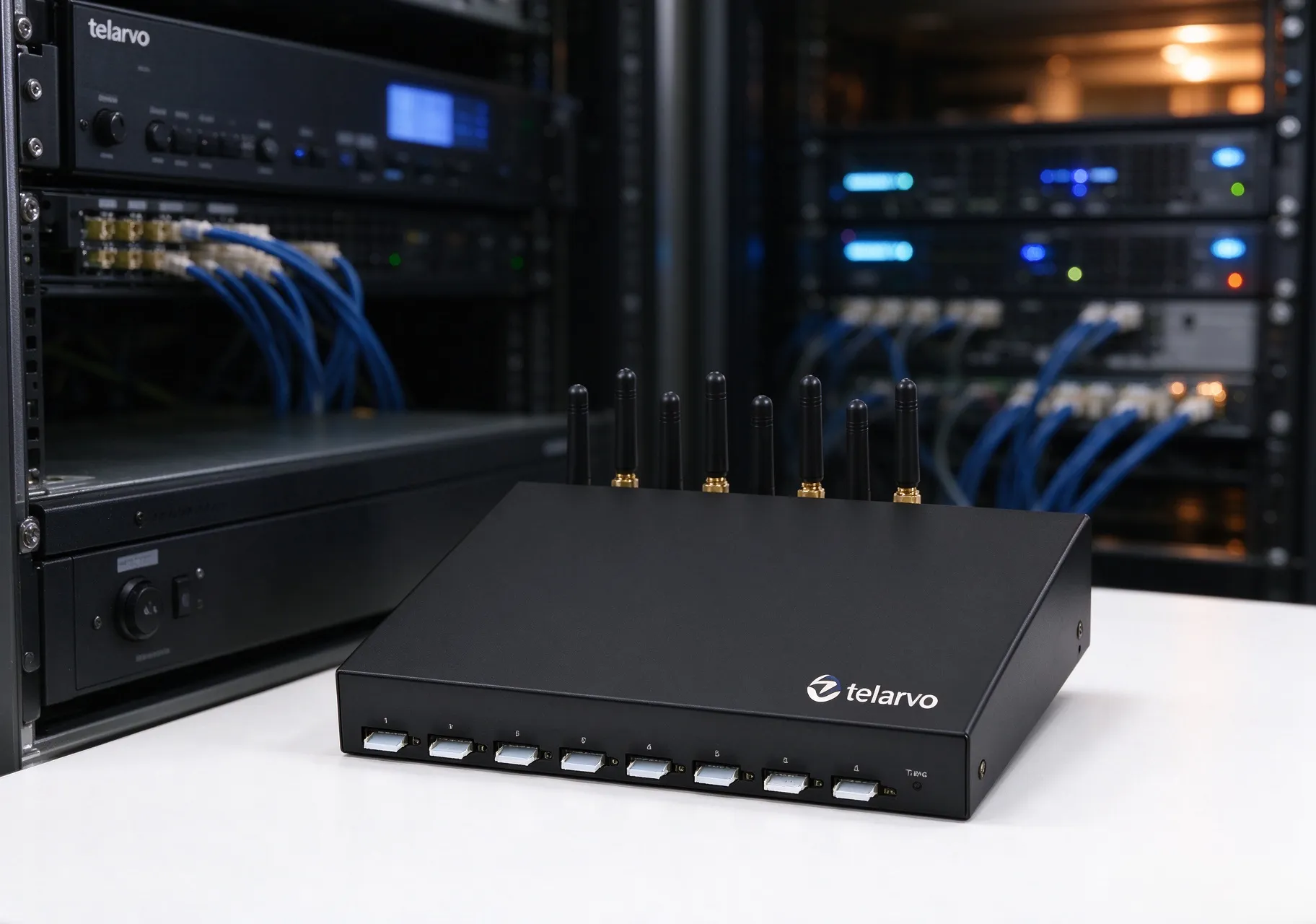
In-House SMS Platform Cost Checklist: Are You Missing These 8 Budget Items?
Cost estimation for building an in-house SMS platform often misses 8 hidden budget items. See hardware, labor, compliance, and infrastructure costs.