Redefining the SMPP Protocol SMS Gateway: Inside the 64E-SIM Architecture
📑 Table of Contents
- The eUICC Architecture and Remote Provisioning
- SMPP Session Isolation and Multi-Bind Architecture
- The 2G Sunset and 4G-Native Design
- Architect’s Q&A
A 64-port gateway with physical SIM trays requires a technician, a maintenance window, and a rollback plan for every carrier swap. The average mean time to recovery for a physical SIM swap in a Tier-3 data center is measured in days—sometimes weeks if the replacement card must be shipped internationally. A 64-port gateway with eUICC provisioning requires an API call. The mean time to recovery drops to minutes. The Telarvo SK-SMS Gateway 64E-SIM ($4,080) exists because that difference in recovery time compounds into a competitive advantage at scale. When a carrier revokes a route mid-campaign, the operator with eUICC provisioning swaps to a compliant profile in five minutes. The operator with physical trays cancels the campaign and explains the delay to the client. The hardware architecture determines which operator keeps the account.
The eUICC Architecture and Remote Provisioning
The 64E-SIM does not use a traditional SIM card reader. Each of the 64 logical ports is backed by an embedded eUICC chip soldered directly onto the gateway’s motherboard. When a carrier profile is needed, the gateway initiates a secure TLS connection to the carrier’s SM-DP+ server, downloads the profile, and installs it onto the eUICC. From the network’s perspective, the eUICC authenticates exactly like a physical UICC. From your perspective, the entire provisioning workflow is an API call. The profile installation follows the GSMA’s Remote SIM Provisioning architecture, which defines the SM-DP+ and SM-DS roles and the security protocols that protect the profile during transit.
This matters because the A2P SMS market is consolidating around compliance and registration. Per Research and Markets’ A2P SMS analysis, North America held 37.90% of the global A2P SMS market share in 2025, and stricter consent and registration expectations are concentrating legitimate traffic among approved brands and compliant routing partners. When a carrier revokes a route or a number pool gets audited, the ability to swap to a compliant profile in minutes rather than days is not a convenience—it is a survival requirement. The GSMA’s RSP specification defines the security requirements for profile download and installation, including the use of TLS 1.2 or higher for the SM-DP+ connection. The 64E-SIM implements these requirements as part of its provisioning workflow.
SMPP Session Isolation and Multi-Bind Architecture
The 64E-SIM exposes SMPP v3.4 and v5.0 endpoints with support for multiple concurrent binds. A common architectural mistake is to open a single bind_transceiver session for all traffic. This creates a head-of-line blocking problem: a slow carrier response on one message stalls the entire session. The correct architecture is to open separate binds for different traffic classes—one bind_transmitter for bulk marketing, one bind_transceiver for OTP and receipts—and to use the gateway’s internal queue to buffer messages per bind. The SMPP protocol specification, maintained by SMPP.org, defines the bind operations and the PDU sequences that govern session establishment, message submission, and delivery receipt handling. The 64E-SIM implements these sequences without proprietary extensions.
According to IDT Express’s SMPP documentation, a single SMPP connection typically supports 50–300 messages per second, and enterprise senders commonly run 10–50 parallel connections for aggregate throughput of thousands of messages per second. The 64E-SIM’s eSIM architecture decouples the SMPP bind from the physical carrier identity. If a carrier’s throughput degrades, you can provision an alternative eSIM profile on the same logical port, re-bind, and resume sending without touching the hardware. The session isolation means that a carrier-specific outage does not cascade across all binds. The operator can route traffic away from the affected carrier by provisioning a new eSIM profile and opening a new bind to that profile, while the original bind remains available for other traffic.
The 2G Sunset and 4G-Native Design
The 64E-SIM is a 4G-native device with no 2G fallback path. This is a deliberate design choice, not a limitation. Per LINK Mobility’s 2G/3G shutdown tracker, 139 operators in 70 countries and territories have either completed or planned 2G shutdowns as of mid-2026. Germany’s Deutsche Telekom plans to switch off 2G on June 30, 2028. The UK’s EE plans to begin in May 2029, O2 in summer 2029, and Vodafone in 2030. The GSMA’s Mobile Economy 2025 report projects that global mobile internet users will reach 5.5 billion by 2030, and that 5G connections will account for 57% of total mobile connections by 2030. The report notes that the mobile economy will contribute $11 trillion to global GDP by 2030, driven by 5G and AI.
A gateway that depends on 2G fallback is building on a foundation with a published expiration date. The 64E-SIM’s 4G-native architecture, combined with the ability to provision multiple carrier eSIM profiles, provides redundancy through carrier diversity rather than legacy network fallback. When a 4G cell is congested, the gateway switches to an eSIM profile on a different carrier’s 4G network. The redundancy model is carrier diversity, not frequency fallback. The operator maintains a pool of eSIM profiles across multiple carriers in each target market. When one carrier’s network degrades, the gateway routes traffic to another carrier’s profile. The 3GPP TS 23.040 specification defines the SMS-DELIVER and SMS-SUBMIT PDUs and the status report mechanisms that carriers use to confirm delivery. The 64E-SIM surfaces these PDUs in its SMPP trace, providing audit evidence that the cloud aggregator abstracts away.
| Hardware Feature | Telarvo 64E-SIM Capability |
|---|---|
| SIM Technology | eUICC (Remote SM-DP+ Provisioning, No Physical Swapping) |
| Port Density | 64 Logical Ports (4G LTE) |
| Protocol Support | SMPP v3.4/v5.0 Multi-Bind, HTTP API |
| List Price | $4,080.00 (Free Shipping, Ships in 2 Days) |
【About Telarvo: Infrastructure】 The 64E-SIM is not a product for teams that swap SIM cards once a quarter. It is infrastructure for operators who treat carrier identity as a dynamic routing variable, not a fixed physical asset. Telarvo builds hardware for the former, not the latter. The eUICC architecture, the SMPP multi-bind isolation, and the 4G-native design are all consequences of that design philosophy. The hardware does not care which carrier is active. It cares about the SMPP session state, the queue depth, and the delivery receipt. The operator’s job is to define the routing policy. The hardware’s job is to execute it without physical intervention.
💡 Architect’s Q&A
Q1: Without a physical UICC card, how does the device authenticate with the carrier? It downloads a profile remotely via the onboard eUICC chip. It connects to the carrier’s SM-DP+ server. The authentication process is identical to a physical card.
Q2: Can I switch carriers mid-campaign without rebooting? Yes. The new eSIM profile is activated dynamically. The old SMPP session is gracefully unbound. It reconnects seamlessly to the new network.
Q3: Is 64 ports the hard limit for a single chassis? No. You can cluster multiple units. Scale horizontally behind a load balancer.
Q4: What happens if a specific 4G band loses signal? Dynamic routing kicks in. Traffic is shifted to another eSIM in the same chassis with a stronger signal.
Q5: Does it support 5G networks? The current version is strictly 4G LTE. For A2P SMS, 4G offers the best coverage and stability.
Q6: How do I check the real-time status of the eSIMs? Use the HTTP API. Pull signal strength and network registration data.
Sources:
- GSMA — Remote SIM Provisioning (SGP.22)
- SMPP.org — Short Message Peer-to-Peer Protocol
- 3GPP TS 23.040 — Technical realization of SMS
- LINK Mobility — The global 2G and 3G shutdown is accelerating
Blog
Learn more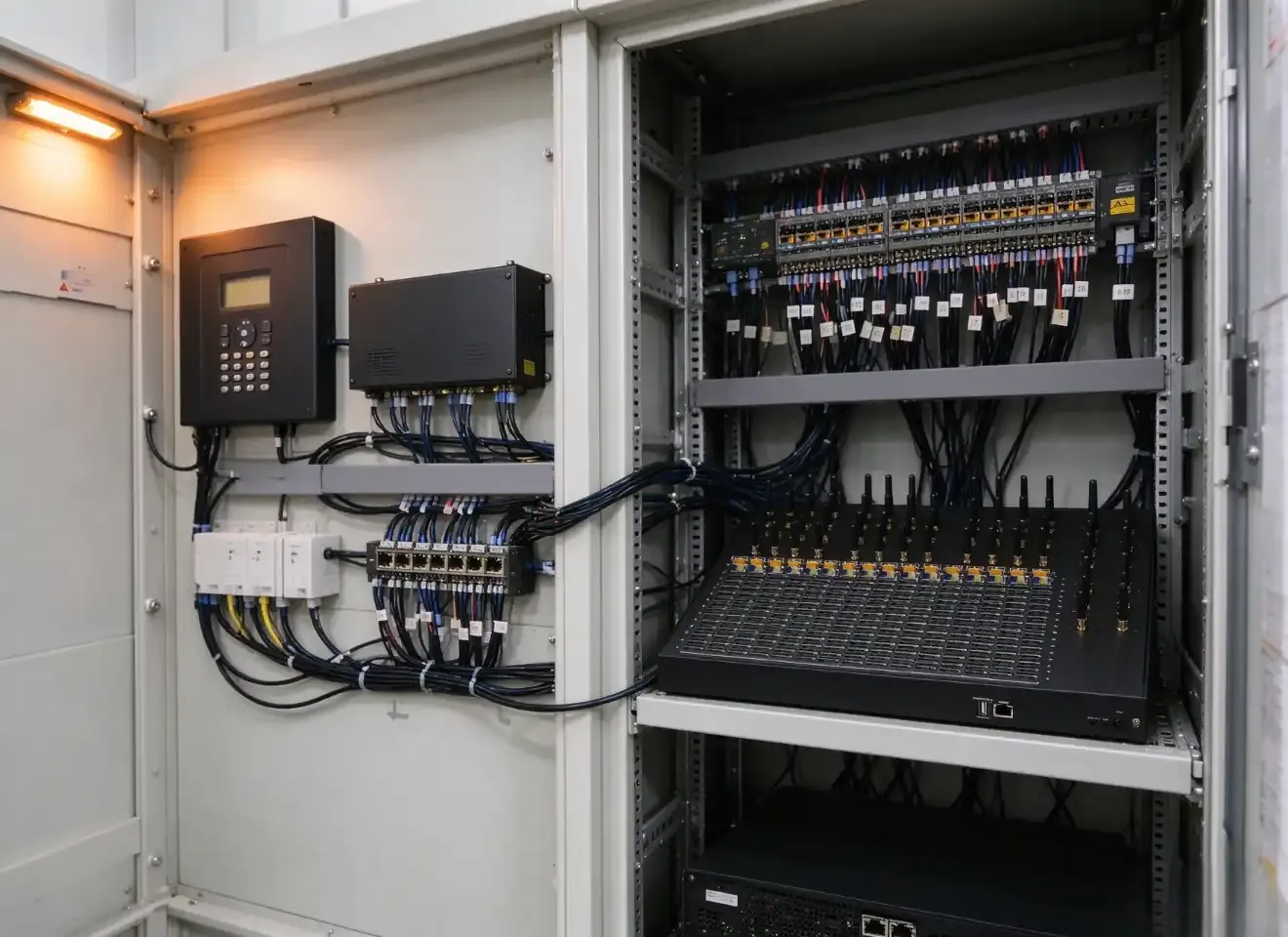
SMS Gateway Real-Time Send and Receive: How Telarvo Enables Real-Time SMS Sending and Receiving
This article directly explains the meaning of SMS gateway real-time send and receive, and describes the hardware architecture, SIM card routing, IP network connectivity, and SMPP and HTTP API access methods of the Telarvo TGW SMS Gateway.
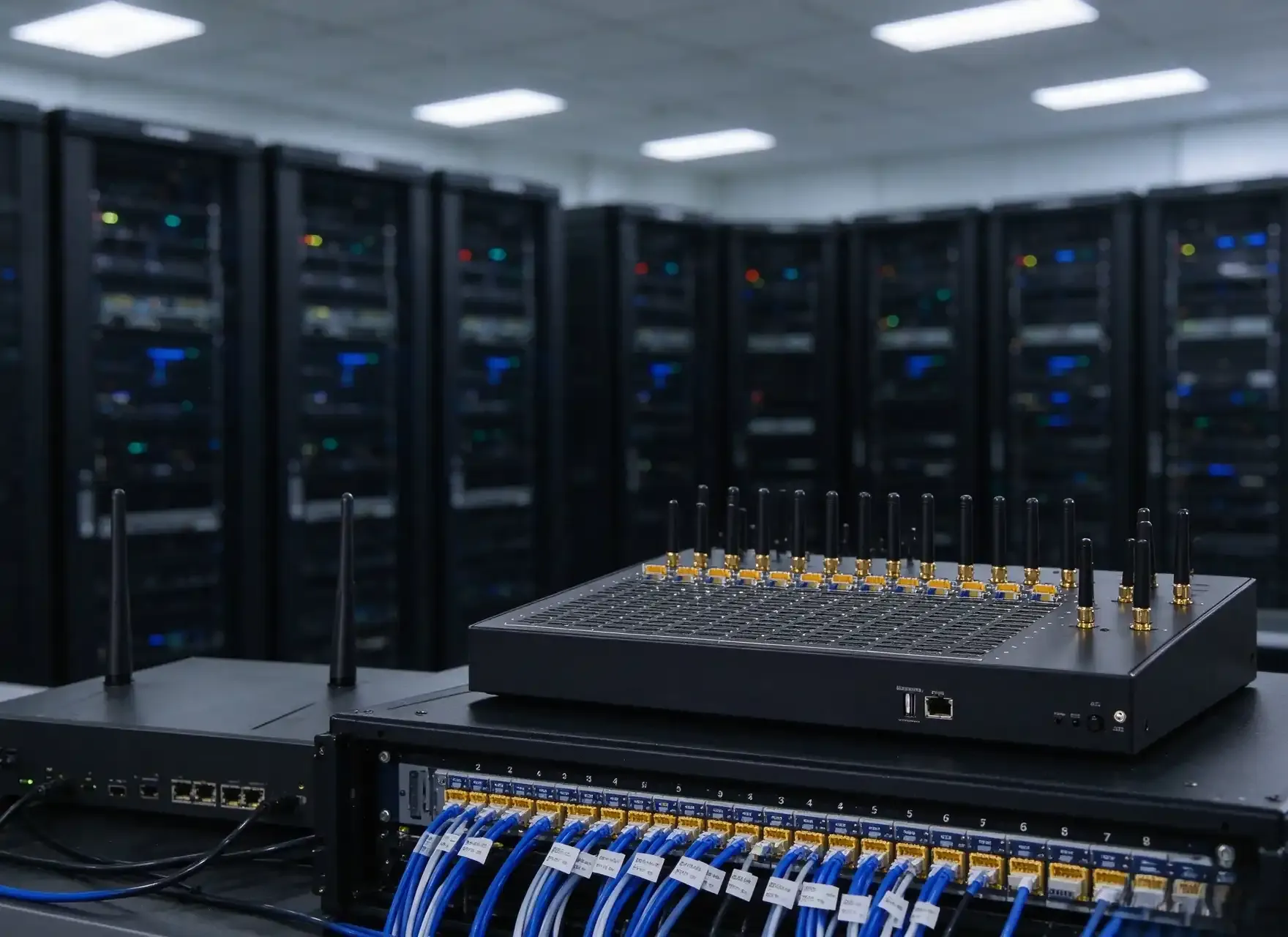
How Local 2G/4G Gateways Improve SMS Gateway Uptime Reliability (2026 Buyer Guide)
Compare SMS gateway uptime and reliability across local 2G/4G hardware and cloud routes. See how grey routes hurt deliverability, plus failover, latency and cross-border compliance tips.
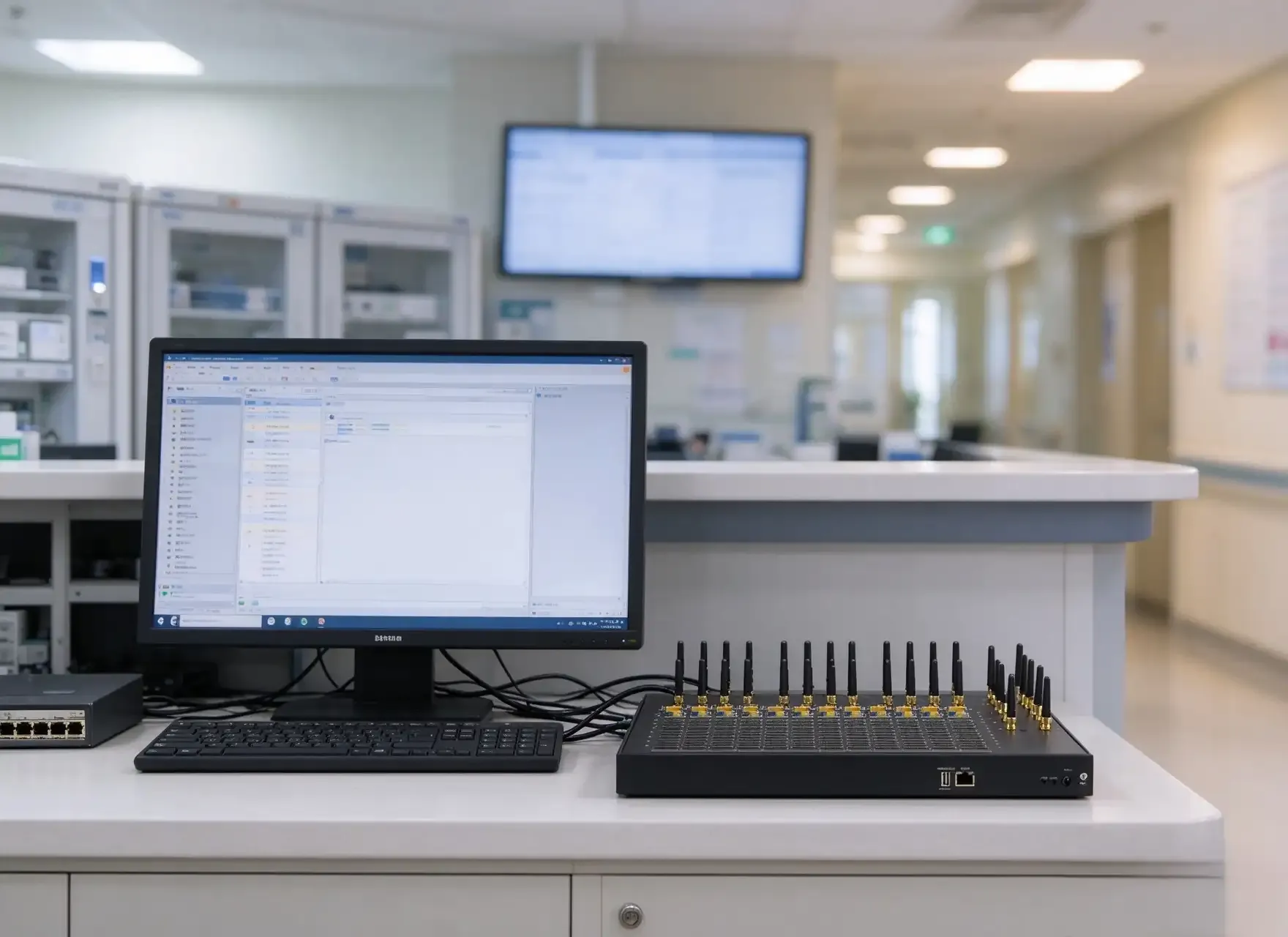
Is a 2G GSM SMS Gateway Really More Cost-Effective Than a Cloud SMS Platform?
Is a 2G GSM SMS gateway cheaper than a cloud platform? We break down hardware, SIM, and maintenance costs to reveal the real total cost of ownership.