How to Choose an SMS Modem for Bank and Fintech: 5 Metrics
Table of Contents
- Why Banks and Fintech Companies Need a Dedicated SMS Modem
- How Login/Payment OTP Codes and Real-Time Transaction Alerts Differ in Device Requirements
- What Compliance Requirements Must Be Confirmed Before Selecting an SMS Device
- Five Core Metrics for Evaluating an SMS Modem: Security, Deliverability, Integration, Concurrency, and Cost
- How to Test Deliverability, Latency, and Delivery Receipt Integrity
- FAQ: Financial-Grade SMS Modem Selection
- Sources
- Disclaimer
When procurement teams evaluate an SMS modem for bank and fintech use, the hard part is not the length of the feature list. It is being able to state, with evidence, where the compliance boundary sits, whether delivery can be verified, and what system integration will actually cost. Teams often focus on throughput specs and per-message pricing, then discover gaps in audit logging, delivery receipt fields, or port segregation only when a login code fails or a transaction alert arrives late. Rework almost always costs more than the price difference between devices.
This guide uses login/payment OTP codes and real-time transaction (account-change) alerts as its two primary scenarios and explains which conditions are worth verifying during selection.
Why Banks and Fintech Companies Need a Dedicated SMS Modem
Ordinary business SMS can tolerate occasional delays or queueing during peak periods. Financial messages—authentication, transaction, and alert traffic—are tied directly to identity verification and fund movement. That is the reason a purpose-built SMS modem for bank and fintech deployments exists: it is not simply “a box that sends texts,” but a controlled link that brings message submission, status feedback, and evidence retention into one chain.
A device that can only send and receive messages on its own, with no API and no log export, is closer to a test tool than a production-grade component for financial traffic.
How Login/Payment OTP Codes and Real-Time Transaction Alerts Differ in Device Requirements
Login and payment OTPs are about being fast and single-use. A code that arrives after its validity window is, in business terms, no code at all. NIST SP 800-63B, Section 3.1.4.2 states: “Time-based OTPs [TOTP] SHALL have a defined lifetime that is determined by the expected clock drift in either direction of the authenticator over its lifetime plus an allowance for network delay and claimant entry of the OTP.” The same section adds: “The verifier SHALL accept a given OTP only once within its validity period to provide replay resistance.” Any additional latency introduced by the device must be counted against that lifetime.
Under Article 40(4) of China’s Provisions on the Administration of Short Message Services, “business management and service short messages” are defined as messages “used for operation verification, system login, business reminders, livelihood services, and other business management and service purposes.” Both OTP codes and transaction alerts fall into this category, so port classification needs to be settled from day one.
Real-time transaction alerts are about being accurate and traceable. When a transfer, card purchase, or repayment is credited, customers expect near-immediate confirmation, and the institution needs to prove the notice reached the handset. Here the protocol boundary matters: under 3GPP TS 23.040, SMS is defined around transfer protocol data units such as SMS SUBMIT, SMS DELIVER, and SMS STATUS REPORT. The status report tells the service center whether a message was forwarded or stored—it reflects delivery, not “read.” A standard SMS does not provide a read receipt. Treating “delivered” as “acknowledged” in a workflow removes the evidence needed when a customer disputes a notification.
What Compliance Requirements Must Be Confirmed Before Selecting an SMS Device
Personal information processing is subject to China’s PIPL; the Supreme People’s Procuratorate English text sets out the principles of lawfulness, legitimacy, necessity, and minimum scope. SMS services must also comply with the 2026 revision of the Provisions on the Administration of Short Message Services (MIIT full text): Article 13 requires records of sending and receiving times and sender/recipient numbers to be retained for at least six months, while Article 18 prohibits mixing commercial short messages with business management and service short messages on the same port.
For transaction alerts, port classification is especially important. Once a notice shares a port with marketing traffic, its credibility drops and the institution loses a clean audit trail.
Five Core Metrics for Evaluating an SMS Modem: Security, Deliverability, Integration, Concurrency, and Cost
Security and auditability come first. Verify encryption in transit and at rest, role-based access controls, and the ability to export the full lifecycle of a single message by time, number, or template. An audit needs an evidence chain, not a dashboard screenshot.
Deliverability depends on the number of routes and the failover design. Treat switchover time as a measured value rather than accepting an undefined “second-level failover” claim. For OTP traffic, ask about health-check intervals, failure criteria, and whether failover requires manual approval.
Integration is where an sms modem with API for core banking integration earns its keep. HTTP/HTTPS, SMPP, and callback documentation determine how quickly the device can be embedded. Without a link to the core banking system, transaction alerts depend on manual handoffs and lose their time value.
Concurrency and SIM management must be tested against real peaks. Month-end statements, marketing bursts, and abnormal login waves all spike volume. Whether SIM health, balance trends, and sending frequency are monitored directly affects stability during those windows.
Cost structure requires checking the billing basis, setup fees, and whether priority routes or delivery receipts are charged separately. For a best sms modem for banking transaction alerts evaluation, unit price alone will not reveal the true total cost.
How to Test Deliverability, Latency, and Delivery Receipt Integrity
Run tests across the major carriers. Record the latency distribution and failure reasons for OTP messages, then compare the receipt completeness of transaction alerts. If the device supports one-click audit export, simulate an actual export and check that the required fields are present.
Any test report should state its measurement basis: whether the denominator is successful submissions or carrier receipts, and whether latency is reported as an average or a high-percentile value. Numbers measured on different bases are not comparable.
FAQ: Financial-Grade SMS Modem Selection
Q: Can an SMS device replace a messaging platform? Not entirely. A platform manages templates, permissions, and policies; a device handles execution and status feedback. Their responsibilities overlap only at the edges.
Q: Can advertised delivery-rate figures be taken at face value? Verify the field definitions and run a test with your own numbers. Delivery status and read confirmation are different things, and the protocol does not equate them.
Q: Is an on-premises device mandatory? Not necessarily. Sending critical messages locally and routing routine notifications to the cloud is a common compromise, depending on data-control requirements and operations capacity.
Sources
- 3GPP TS 23.040 — 3GPP specification page
- NIST SP 800-63B, Section 3.1.4.2 — full text
- Provisions on the Administration of Short Message Services — Articles 13, 18, and 40(4), MIIT
- Personal Information Protection Law of the PRC — Supreme People’s Procuratorate
Disclaimer
This article does not constitute final compliance or procurement advice. Refer to the latest regulatory texts and vendor documentation for specific requirements.
Blog
Learn more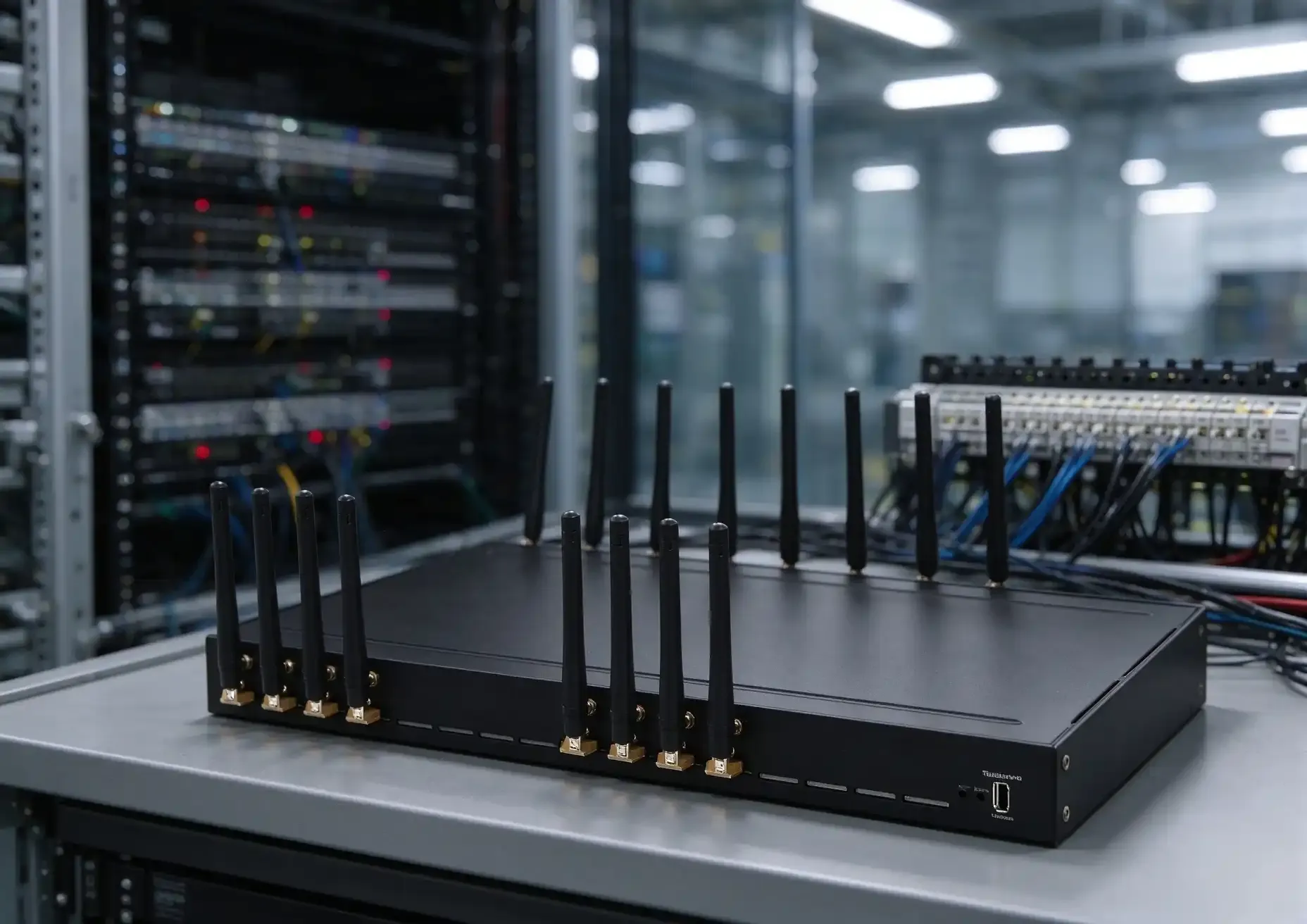
Stable SMS Gateway Provider: How to Evaluate Telarvo’s Stable SMS Gateway Capabilities
Evaluating a stable SMS gateway provider? This Telarvo review breaks down 512-SIM device control, throughput, DLR quality and the pre-production tests that verify real delivery—not just acceptance.
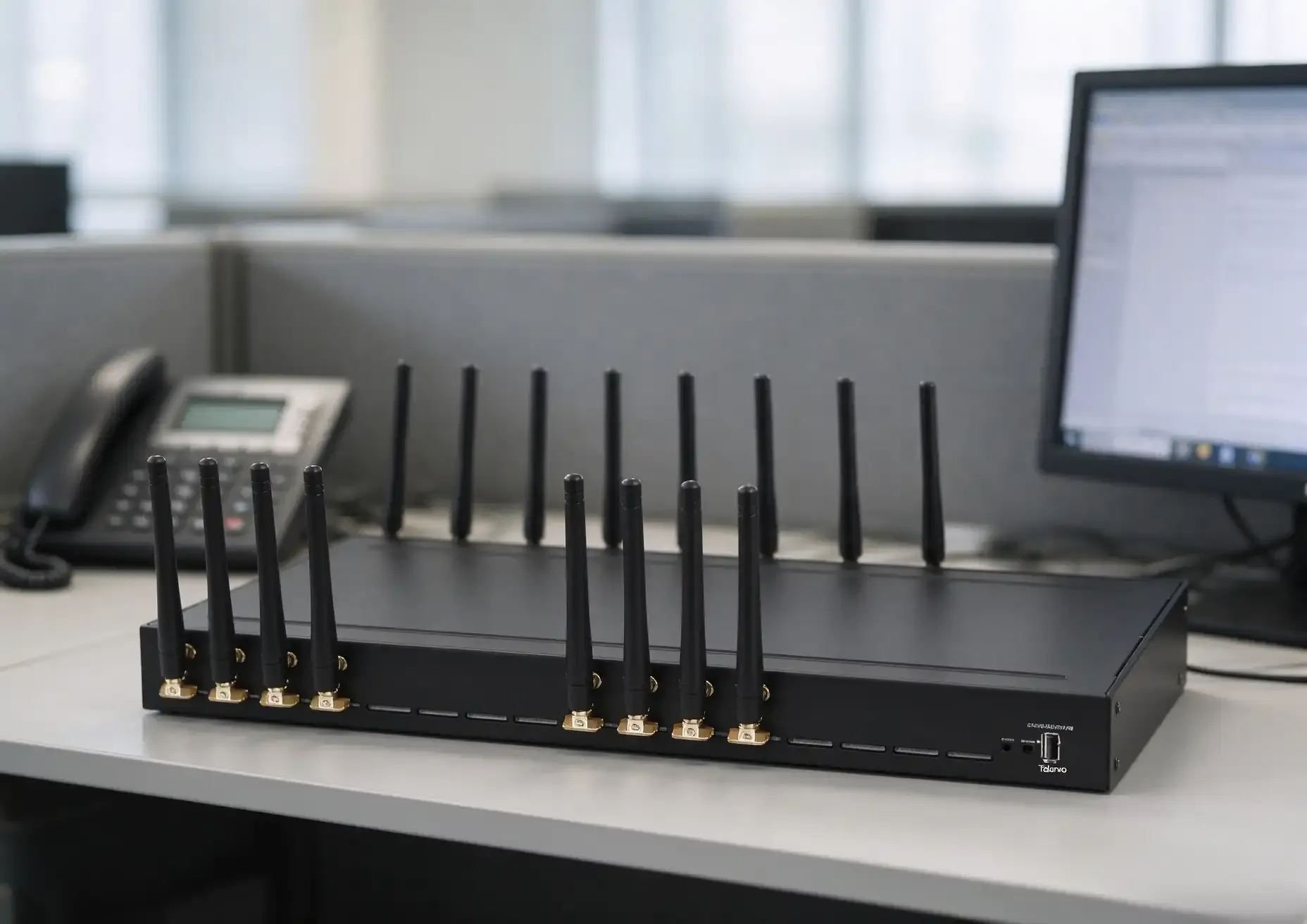
SMS Gateway SIM Pool for Operators: Boost Delivery, Cut Costs & Stay Compliant
Compare SIM pool gateways, single-SIM setups, and cloud SMS APIs. See how an SMS gateway SIM pool for operators solves OTP delays and alert failures.
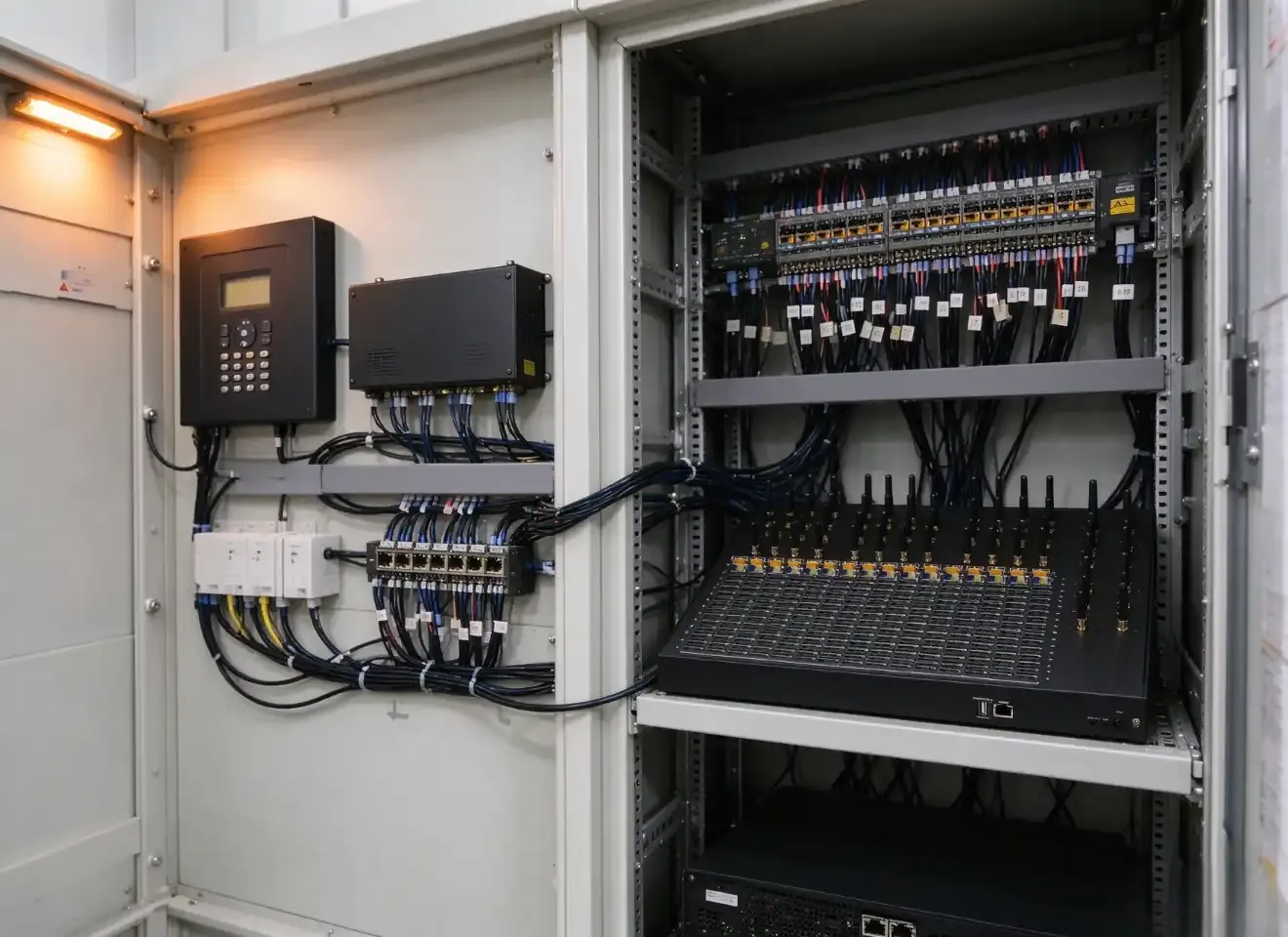
SMS Gateway Real-Time Send and Receive: How Telarvo Enables Real-Time SMS Sending and Receiving
This article directly explains the meaning of SMS gateway real-time send and receive, and describes the hardware architecture, SIM card routing, IP network connectivity, and SMPP and HTTP API access methods of the Telarvo TGW SMS Gateway.