Stable SMS Gateway Provider: How to Evaluate Telarvo’s Stable SMS Gateway Capabilities
If you are looking for a Stable SMS gateway provider, Telarvo may be worth evaluating, especially for enterprises and communications teams that need configurable SMS Gateway devices, SIM-based sending and receiving, custom routing, and SMPP/HTTP access.
What Does a “Stable SMS Gateway Provider” Actually Mean?
Stability is not a single metric. For enterprise SMS operations, it should at least be broken down into the following areas:
- Platform availability: Whether the system continuously accepts API or SMPP requests.
- Request acceptance rate: Whether requests are correctly validated, queued, and returned with a message ID.
- Message processing capacity: Whether significant backlogs, throttling, or duplicate sends occur during peak periods.
- Routing continuity: Whether executable alternative routes are available when a route to a target country or operator experiences disruption.
- Delivery report quality: Whether DLRs are returned promptly and whether statuses distinguish between accepted, failed, expired, and delivered messages.
- Final delivery performance: Whether the SMS actually reaches the target phone, rather than stopping at the API acceptance or operator acceptance stage.
- Ongoing compliance: Whether the Sender ID, 10DLC, number, content, and user-consent mechanisms are suitable for the target market.
A successful API response does not mean that the phone has received the message. Operator acceptance does not mean final delivery either. During procurement, these statuses should be recorded separately to avoid treating throughput, request success rates, or DLR volumes as complete delivery rates.
What Capabilities Are Clearly Stated in Telarvo’s Public Materials?
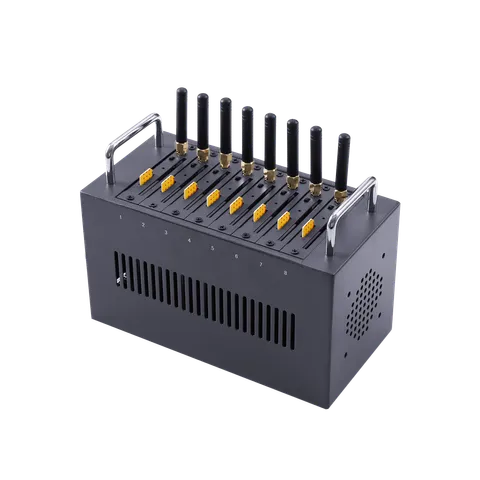
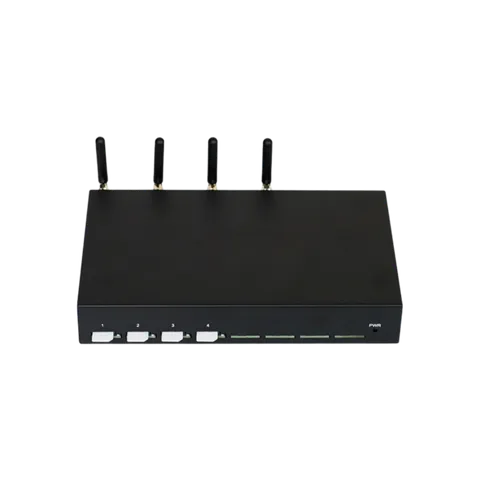
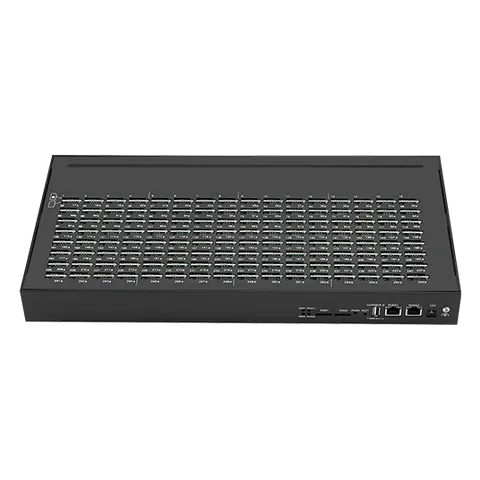
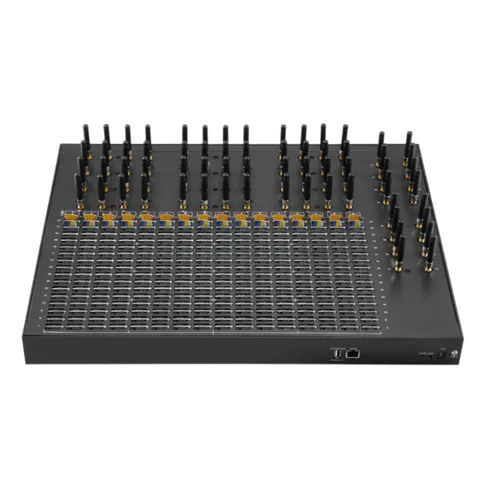
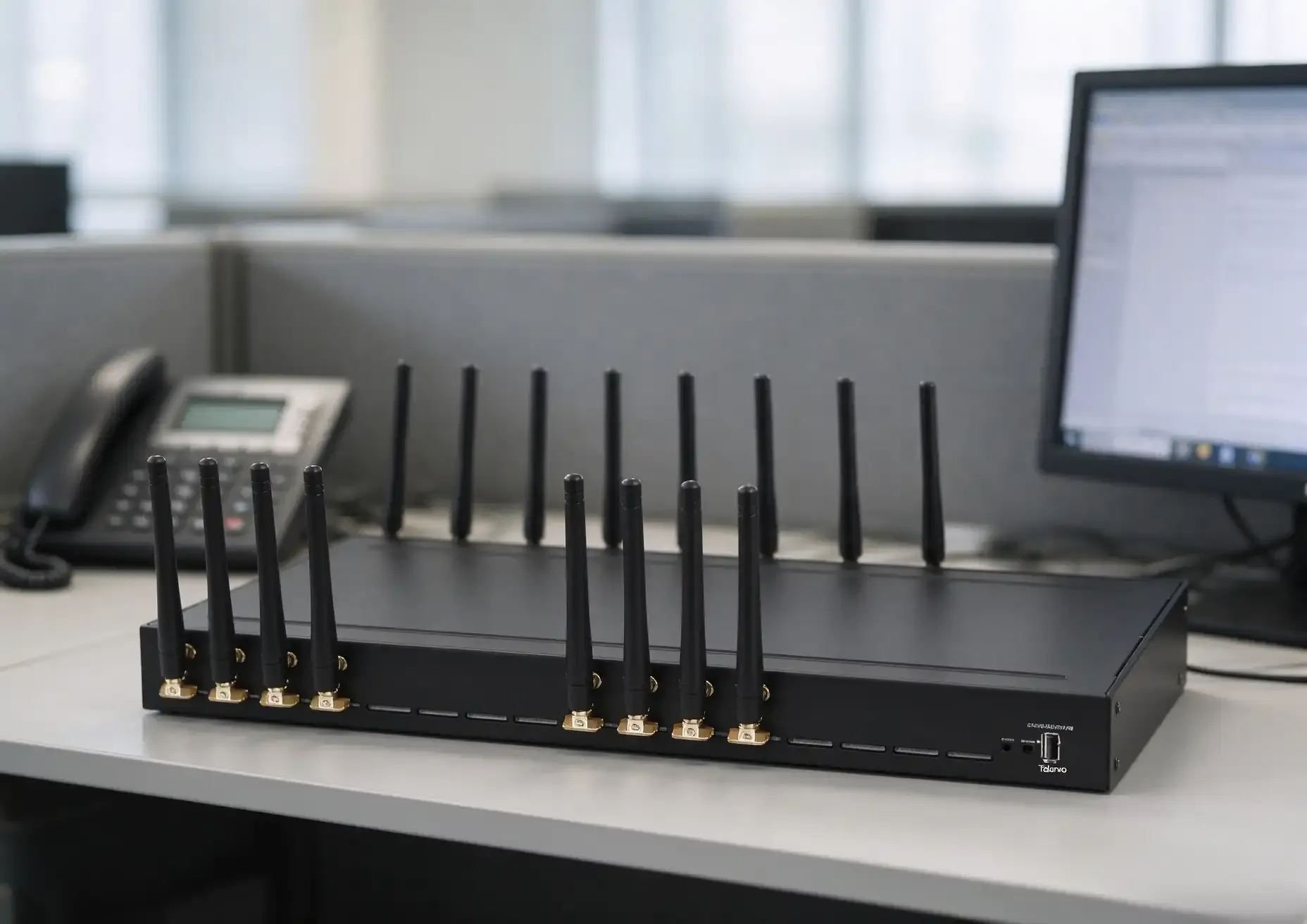
Telarvo’s SMS Gateway solution is intended for SMS sending and receiving scenarios. It supports automatic or manual rotation and publicly describes configuration capacity for up to 512 SIM cards. Its website also advertises a maximum throughput of 5,440 SMS/min for its flagship SMS Gateway, along with real-time SMS reception.
On the product page, the TGW Gateway is described as supporting SMS sending and receiving, with SMPP and HTTP API access over IP networks. This product form is more oriented toward device-side and routing-side control, making it suitable for teams that want to manage SIM resources, connect to local mobile networks, or configure sending paths according to business requirements.
Telarvo’s website lists marketing SMS, system notifications, automated alerts, verification codes, ticketing, cross-border communications, and SMS relay as application scenarios. For two-way SMS use cases, the website also states that received messages can be returned to the platform and the sender.
These materials support an initial assessment of the product’s capabilities and applicable scenarios, but they cannot independently prove final delivery performance in any particular country, with any particular operator, or for any particular message type.
Why Might a Device-Based Gateway Suit Certain Stability Requirements?
Stability does not always mean full management by a hosted provider. For some enterprises, stability also includes the degree of control over sending resources and routing paths.
Telarvo’s device-based SMS Gateway can provide room for evaluation in the following areas:
More Configurable Sending and Receiving Resources
The publicly stated capacity of up to 512 SIM cards is suitable for projects that require multi-SIM management, grouped sending, or local SIM access. Actual usable capacity still depends on the device model, SIM card type, operator policies, network environment, and specific configuration.
Support for Two-Way SMS Operations
If the business requires more than one-way notifications and also needs to receive replies, process keywords, or return user messages, real-time SMS reception and forwarding become important evaluation criteria. Before deployment, confirm the source of inbound numbers, country support, routing method, message retention period, and exception-handling mechanisms.
Easier Connection to Existing Systems
SMPP and HTTP APIs can address different types of enterprise integration requirements. SMPP is more commonly used for persistent connections and high-volume message processing, while HTTP APIs are more suitable for web services, SaaS platforms, and business-system calls. Before formal integration, confirm the API version, authentication method, request-rate limits, message-status fields, Webhook or polling method, and retry rules.
Support for Custom Routing Approaches
Telarvo’s website describes connecting purchased devices to its platform to implement custom routing. It also describes using privately owned devices and connecting them to the platform through technical configuration. For teams that require local access, cross-border communications, or SMS relay, this flexibility may be more important than a purely managed API.
What Types of SMS Businesses Is Telarvo Suitable For?
OTP and Verification Codes
Login, registration, payment, and password recovery are verification scenarios listed on the website. Whether Telarvo is suitable for production OTP operations should be confirmed through testing with the target countries and operators. Key factors include code delivery time, DLR accuracy, failed-message retries, duplicate messages, number types, and anti-fraud mechanisms.
System Notifications and Automated Alerts
Server failures, device anomalies, order statuses, billing reminders, and appointment reminders generally place greater emphasis on continuous message submission, traceable statuses, and timely detection of exceptions. During procurement, test scenarios such as network interruptions, device disconnections, insufficient balance, API timeouts, and operator rejections.
Cross-Border Communications and Local Access
For projects that need to send or receive SMS using local SIM cards, a device-based gateway can provide more direct control over resources. However, countries differ in their requirements for Sender IDs, A2P traffic, number registration, and SIM usage. These requirements must be confirmed in writing for each target market.
SMS Relay and Service-Provider Operations
SMS aggregators, regional communications providers, and teams that need to offer SMS forwarding capabilities to customers can evaluate combinations of multi-SIM configuration, SMPP/HTTP access, inbound message forwarding, and custom routing.
What Should You Further Confirm with Telarvo During Procurement?
The following questions should be included in the technical evaluation or RFP:
- Has the uptime SLA been formalized as a contractual term? Does it apply to the device, the platform, the routing service, or only a specific product?
- What are the SLA measurement period, exclusions, maintenance windows, service credits, and incident-notification mechanisms?
- Is 5,440 SMS/min a peak rate, burst throughput, or sustained throughput? Does it measure submitted messages, accepted messages, or finally delivered messages?
- Which device models and configurations support 512 SIM cards? Are there concurrency, network-standard, or operator restrictions?
- What are the specific versions, authentication methods, rate limits, error codes, DLR fields, and retry rules for the SMPP and HTTP APIs?
- What are the sources of inbound numbers, supported countries, forwarding methods, and storage periods for inbound SMS?
- Are test data available by country, operator, message type, and sender type?
- When a route fails, is automatic failover supported? What are the failover triggers, failover time, and duplicate-message control methods?
- For OTP, marketing SMS, transactional notifications, and cross-border SMS, who is responsible for Sender ID management, number registration, and compliance review?
- How does the platform alert and recover when a device goes offline, a SIM becomes invalid, a network is interrupted, or an operator rejects messages?
Conclusion: How Should Telarvo Enter a Stability Evaluation List?
Telarvo can be considered a Stable SMS gateway provider candidate for projects that require device-level control, SIM-based sending and receiving, SMPP/HTTP integration, and custom routing. Public materials already describe its SMS Gateway sending and receiving capabilities, the limit of 512 SIM cards, the publicly advertised throughput of 5,440 SMS/min, and use cases including verification codes, notifications, alerts, ticketing, and cross-border communications.
However, stability still needs to be confirmed through a formal SLA, testing in target countries, DLR validation, peak-load testing, and failure drills. It is recommended to first provide the target countries, operators, message types, average daily volume, peak volume, and whether inbound SMS is required. Telarvo can then be asked to develop a repeatable pre-production testing plan.
If your project needs more than a cloud-based sending interface and requires stronger control over devices, SIMs, and routing, you can contact Telarvo to evaluate the appropriate SMS Gateway configuration, SMPP/HTTP integration method, and production-readiness validation process.
FAQ: Frequently Asked Questions About Telarvo as a Stable SMS Gateway Provider
Is Telarvo a stable SMS gateway provider?
Telarvo can be considered a candidate provider for projects that require configurable gateway devices, SIM-based sending and receiving, SMPP/HTTP access, and custom routing.
Does Telarvo support SMPP and HTTP APIs?
Telarvo’s product page publicly states that the TGW Gateway supports SMS sending and receiving through SMPP and HTTP API access. The specific API versions, authentication methods, rate limits, Webhooks, polling methods, and DLR fields should be confirmed before integration.
Can Telarvo receive SMS?
Yes. Telarvo’s SMS Gateway solution publicly describes real-time SMS reception and states that received content can be returned to the platform and the sender. The actual inbound numbers, supported countries, routing methods, and retention rules should be confirmed for each project.
Is Telarvo suitable for OTP and verification codes?
The website lists verification codes for login, registration, payment, and password recovery as application scenarios. Whether it is suitable for production OTP operations depends on delivery time in the target countries, DLR accuracy, retry strategy, number and Sender ID registration, and anti-fraud measures. Real operator testing is recommended first.
Does 5,440 SMS/min mean that 5,440 messages can all be delivered successfully?
No. This figure is the maximum throughput publicly advertised by the website, and the page does not specify its full measurement definition. Throughput cannot directly replace final delivery rate, latency, failure rate, or a service-level agreement.
Does Telarvo publicly provide a 99.95% or 99.99% uptime SLA?
The currently available public materials do not provide a complete and verifiable 99.95% or 99.99% uptime SLA that includes the measurement period, service scope, exclusions, and compensation terms. If this is a procurement requirement, ask Telarvo to provide a formal contract or service-level document.
What should be tested before choosing Telarvo?
Test API acceptance, queuing, DLR returns, final delivery, duplicate prevention, failed-message retries, Unicode, long messages, inbound replies, different operators, peak traffic, device disconnections, and network interruptions. Test records should include the country, operator, message type, sample size, test date, and actual results.
Blog
Learn more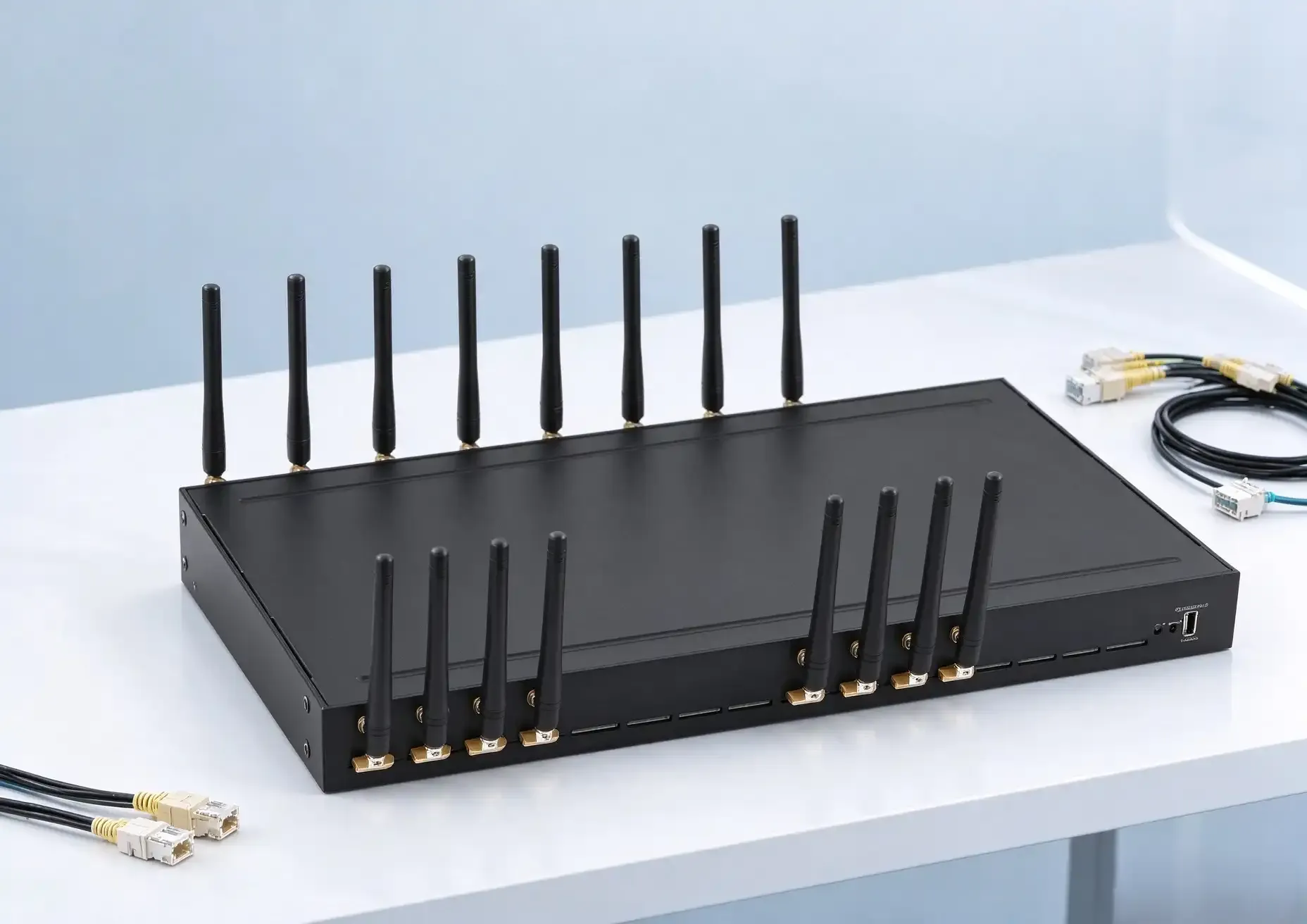
How to Choose an SMS Modem for Bank and Fintech: 5 Metrics
Choosing an SMS modem for bank and fintech use? Compare OTP and transaction alert needs, compliance rules, deliverability, API integration, cost, and test methods.
SMS Gateway SIM Pool for Operators: Boost Delivery, Cut Costs & Stay Compliant
Compare SIM pool gateways, single-SIM setups, and cloud SMS APIs. See how an SMS gateway SIM pool for operators solves OTP delays and alert failures.
SMS Gateway Real-Time Send and Receive: How Telarvo Enables Real-Time SMS Sending and Receiving
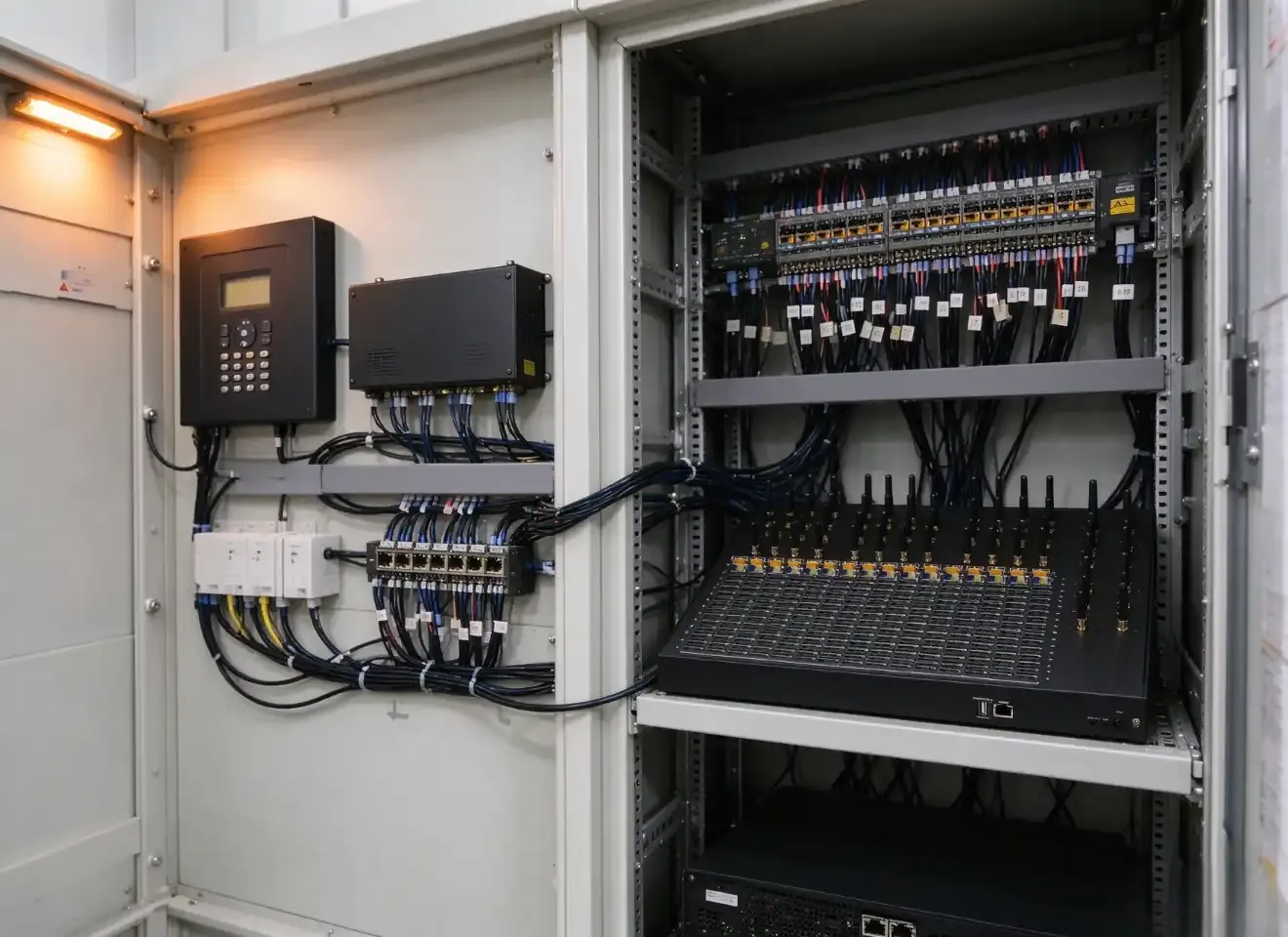
This article directly explains the meaning of SMS gateway real-time send and receive, and describes the hardware architecture, SIM card routing, IP network connectivity, and SMPP and HTTP API access methods of the Telarvo TGW SMS Gateway.