In-House SMS Platform Cost Checklist: Are You Missing These 8 Budget Items?
Table of Contents
- Why “Building a Texting Feature” Costs More Than You Think
- 1. Hardware Procurement Checklist
- 2. Engineering Labor Cost Checklist
- 3. Compliance and Registration Cost Checklist
- 4. Network and Infrastructure Cost Checklist
- 5. Hidden Maintenance Cost Checklist
- Closing Checklist: 5 Must-Answer Questions Before Deciding to Build In-House
- FAQ
- Disclaimer
- References
Why “Building a Texting Feature” Costs More Than You Think
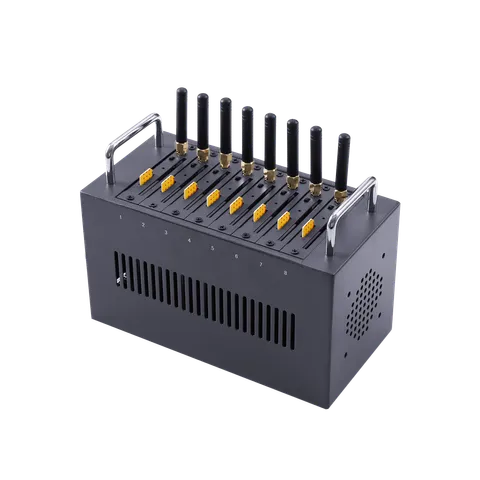
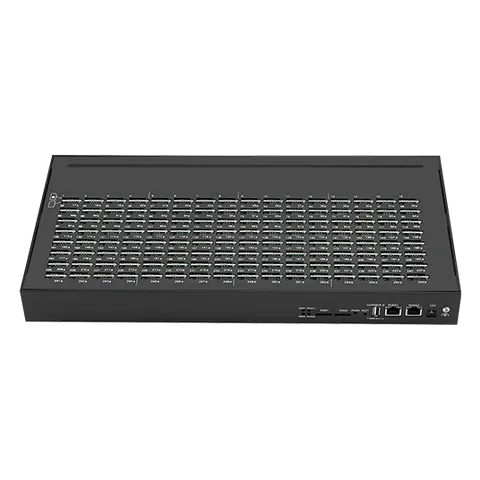
Many technical teams evaluating an in-house SMS platform focus only on “servers” and “code,” overlooking the fact that this is a capital-intensive business involving carrier resources, underlying hardware, and strict regulatory oversight. True in-house means bypassing the high premiums of SaaS platforms and connecting directly to the underlying network. Take the Telarvo hardware gateway as an example: a flagship device supporting 64 ports and 512 SIM cards (the 64-512 model) was officially priced at $2,480 in August 2026 (Source: Telarvo Official Store, August 2026). That’s just the hardware starting cost. If you don’t account for these 8 budget items, building in-house could become a massive cost black hole.
1. Hardware Procurement Checklist
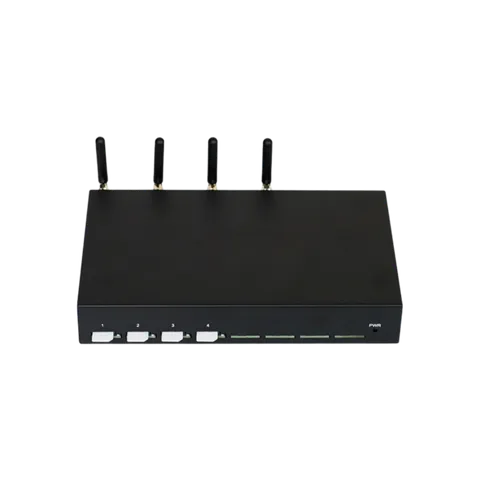
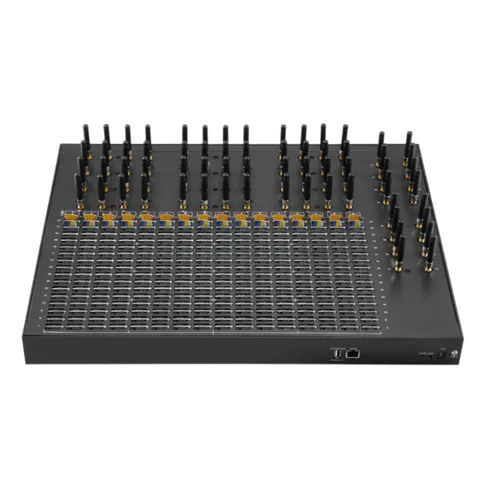
Channel Equipment: You need a physical gateway to insert SIM cards. Telarvo’s product matrix ranges from 4 to 64 ports. The entry-level 4-port device (4-4 model) was priced at approximately $238 on the Telarvo official store in August 2026, while the 64-port top-tier device supporting E-SIM technology (64E-SIM) costs $4,080 (Price source: Telarvo Official Store, August 2026).
SIM Card Resources: Procurement and monthly fees for hundreds or thousands of physical SIM cards. Some enterprises opt for E-SIM models (such as the 32E-SIM at $2,550) for easier batch management later.
2. Engineering Labor Cost Checklist
Underlying Protocol Development: Hardware is just a shell. You need engineers to integrate the Telarvo gateway into your business system using SMPP or HTTP API.
Engineering Judgment in Technology Selection: We initially used HTTP API for a rapid prototype, but during stress testing we found that the HTTP connection pool was exhausted above 300 concurrent connections, causing massive request timeouts. After switching to SMPP, based on its persistent TCP connection mechanism, a single connection stabilized at 2000+ TPS, which met our peak business demand. SMPP’s persistent connection avoids the handshake overhead of each HTTP request and is the correct choice for carrier-grade integration.
Staffing Scale: At least 2-3 full-time senior backend engineers, with annual costs starting at $300,000.
3. Compliance and Registration Cost Checklist
10DLC and TCPA: Even with Telarvo hardware, you still face strict compliance reviews. According to Nelson Mullins’ March 2026 analysis of TCPA damages, statutory damages for TCPA violations range from $500 to $1,500 per message, and amounts can escalate rapidly once a class action forms.
4. Network and Infrastructure Cost Checklist
Data Center and Bandwidth: Gateway devices need to be hosted in data centers with good network environments and stable public IPs.
Power Supply Engineering Lesson: Our data center once experienced frequent Telarvo device reboots due to power ripple, and it took two weeks of troubleshooting to pinpoint the power quality issue. We ultimately resolved it by configuring an online UPS and adding power filters for the gateway. The Telarvo device specifies a 12V/5A power input, which means it has basic requirements for power stability—don’t assume you can just plug it in and go.
5. Hidden Maintenance Cost Checklist
Protocol Updates: Although Telarvo supports USSD and SMPP, hardware or firmware upgrades may be needed as carrier networks evolve.
SIM Blocking Response: In-house mode has no SaaS platform to handle risk control for you. Once a SIM card is blocked by the carrier, someone needs to replace it quickly.
Closing Checklist: 5 Must-Answer Questions Before Deciding to Build In-House
- Has our monthly send volume truly reached the break-even point for in-house?
- Does the team have talent proficient in SMPP and telecom underlying protocols?
- Do we have dedicated staff for TCPA compliance and carrier relationship management?
- Can we absorb the hardware trial-and-error cost?
- Do we have 7×24 operational capabilities?
FAQ
Q1: Can I build an in-house SMS platform by just buying a Telarvo 4-port device? A: No. The 4-port device is only the physical channel. You still need servers, SMPP integration development, SIM card resources, and compliance review.
Q2: How long is Telarvo’s lead time? Will it affect project scheduling? A: The official stated lead time is 5-7 days (Source: Telarvo Official Store product page, August 2026), but factoring in customs clearance and logistics, you should budget at least 2-4 weeks of buffer in your project schedule.
Q3: Is the hardware for an in-house SMS platform a one-time investment? A: Yes. Telarvo gateways are a buyout model with a 12-month warranty and no monthly fee. But SIM card monthly fees, data center hosting, and engineer salaries are the ongoing expenses.
Q4: If my monthly send volume is very small, do I still need to calculate all these costs? A: No. When monthly send volume is below 100,000 messages, directly purchasing SaaS services is more cost-effective overall.
Disclaimer
The cost estimates in this article are based on publicly available hardware pricing and industry-standard labor cost ranges as of August 2026. Actual expenses vary by team size, geographic location, and carrier agreements. This article does not constitute financial advice or a procurement decision basis. Hardware parameters are cited from Telarvo official product pages, and legal damages standards are cited from Nelson Mullins’ public blog for informational purposes only.
References
- Telarvo Official Store - SMS Gateway Product List (Pricing and hardware specs, accessed August 2026)
- Nelson Mullins - TCPA Damages Standards Analysis (Legal damages standards, March 2026)
- SMPP v3.4 Specification (SMPP protocol technical specification)
Blog
Learn more
Is a 2G GSM SMS Gateway Really More Cost-Effective Than a Cloud SMS Platform?
Is a 2G GSM SMS gateway cheaper than a cloud platform? We break down hardware, SIM, and maintenance costs to reveal the real total cost of ownership.
Global SMS Gateway Brands Comparison: Telarvo vs Cloud APIs
Compare Telarvo with Twilio, Sinch, Infobip and other cloud SMS APIs. Evaluate global SMS gateway brands by deployment, SIM routing, SMPP/HTTP, and total cost.
Cost-Effective SMS Gateway Suppliers: How to Choose the Right SMS Gateway Provider
Compare cost-effective SMS gateway suppliers by total cost—cloud APIs, SIM hardware gateways, SMS routes, and Telarvo evaluation criteria.