Top Multi-Port VoIP Gateway Recommendations for Seamless Bulk SMS and VoIP Gateway Wholesale Solutions
Bulk messaging and voice traffic have become essential elements of daily business operations. Order confirmations, login codes, delivery updates, and even missed-call marketing all depend on dependable communication setups.Instead, the difficulty arises when handling thousands of messages promptly, without facing SIM bans, and without encountering system failures.
This is precisely where a trustworthy equipment supplier plays a vital role. Numerous operators select TelarvoTelarvo for constructing SMS and VoIP systems, since the devices are built to manage sustained traffic volumes.
What Is a Multi-Port VoIP Gateway and Why It Matters for Bulk SMS?
Prior to examining particular devices, it proves beneficial to understand how these gateways operate in everyday scenarios.
Definition of Multi-Port VoIP Gateway
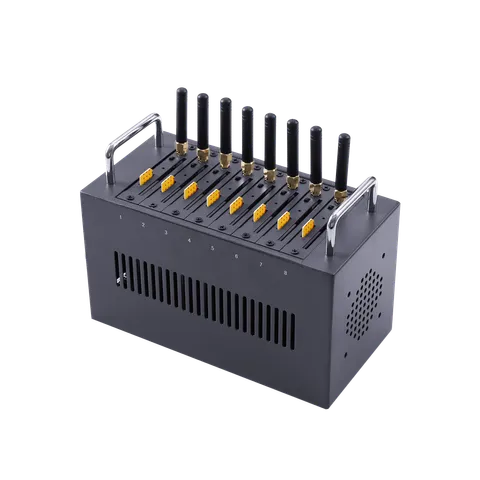
A multi-port VoIP gateway serves as a device that links internet-based communication networks to mobile carriers via several SIM cards. Each port functions as a distinct channel. For instance, a gateway with 16 ports can manage 16 channels concurrently.
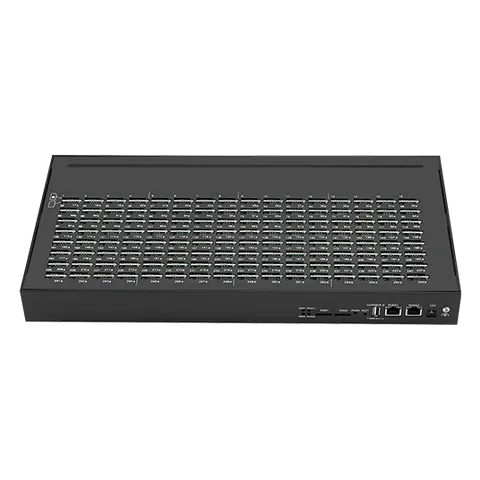
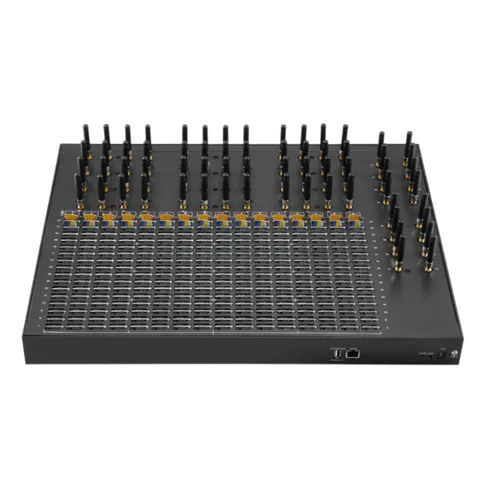
In actual applications, this setup enables the parallel dispatch of SMS messages or the handling of voice calls. Certain systems offer even greater capacity by facilitating SIM switching or integration with SIM pools, which can accommodate up to hundreds of cards.
Role in Bulk SMS and Voice Traffic
The gateway acts as an intermediary layer. Software from the platform issues a request, the gateway handles that request, and the SIM card transmits the SMS or call via the mobile network.
During actual implementations, SMS gateway systems achieve rates of thousands of messages per minute, while also capturing replies without delay. Such performance is crucial for services requiring quick responses, like login verification or payment confirmation.
Why Multi-Port Design Improves Efficiency
The multi-port configuration distributes traffic across numerous SIM cards. Should one card experience slowdowns or restrictions, the remaining cards keep operating smoothly. Additionally, many gateways incorporate features like automatic SIM rotation and controls for intervals between sends.
These practical elements minimize the risk of SIM blocking. In scenarios involving large-scale messaging, such capabilities are indispensable.
Key Features to Look for in Multi-Port VoIP Gateway Solutions
While selecting a gateway, it is tempting to prioritize cost.
Port Capacity and Scalability
Devices typically appear in configurations with 4, 8, 16, or 32 ports. Certain systems permit growth via extra modules or SIM management tools, which can handle up to 512 SIM cards.
A modest enterprise might begin with 8 ports. Expansion frequently arrives sooner than anticipated, so opting for a scalable system prevents the need for early hardware replacements.
SIM Management and Anti-Blocking Features
Network operators closely watch SIM activity. If transmission patterns appear suspicious, cards could face restrictions. Therefore, sophisticated gateways include tools such as automatic SIM rotation, controls for message intervals, and options for IMEI changes.
Certain systems further enable automatic locking or switching of SIM cards, along with tracking of usage statistics and real-time status monitoring. These capabilities ensure consistent traffic flow without requiring frequent manual oversight.
Protocol and API Support
For voice operations, support for the SIP protocol remains fundamental. Regarding SMS, HTTP API and SMPP represent standard choices. These enable direct interaction between the platform and the gateway.
In practical initiatives, seamless API integration drives automation. Lacking it, efforts to scale operations prove challenging.
Monitoring and Remote Access
Contemporary gateways provide web interfaces for oversight. Users can review voice quality indicators such as ASR, ACD, and PDD, inspect SMS records, and administer SIM cards from afar.
Additionally, some setups include remote platforms that grant comprehensive control across various sites. This proves valuable for deployments spanning multiple nations.
Top Multi-Port VoIP Gateway Recommendations from Telarvo
With an understanding of essential features, the subsequent task involves picking the appropriate device category. Various configurations align with distinct business phases.
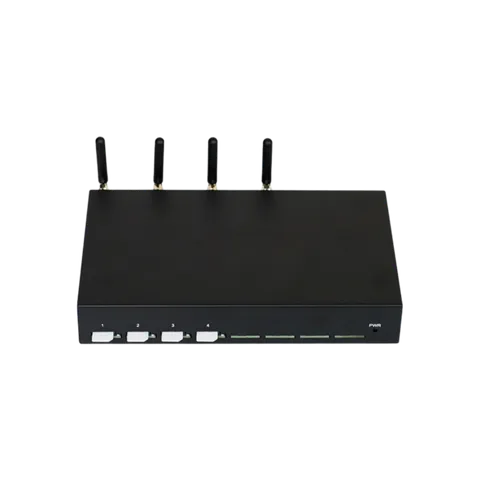
Multi-Port GSM VoIP Gateway Devices
These units accommodate both voice calls and SMS functions. They generally feature multiple SIM slots, remote management options, and compatibility with SIP protocols.
Such devices facilitate communication from mobile to VoIP and vice versa. As a result, they suit applications in call centers, global voice services, and hybrid communication enterprises.
Select models also incorporate blacklist handling, detection of irregular calls, and automated SIM switching. These aspects contribute to reliable performance amid rising traffic.
High-Performance SMS Gateway Systems
For enterprises emphasizing messaging, specialized SMS gateways deliver superior dispatch rates. In particular, some configurations process over 5,000 SMS per minute, while managing incoming replies promptly.
They integrate with HTTP API and SMPP, ensuring compatibility with verification platforms, alert systems, and marketing applications.
Typical applications encompass login verification, account notifications, payment alerts, and promotional efforts.
SMS Modem Pool Solutions
In initial projects or testing stages, modem pools provide an uncomplicated arrangement. These units link directly to computers via USB and accommodate several SIM cards.
They enable automated sending and receiving of SMS, often applied in verification codes or limited marketing initiatives.
Although their capacity remains modest, the associated costs are similarly modest. Consequently, they appeal to newcomers in the SMS sector.
How Telarvo Enables Seamless Bulk SMS and VoIP Wholesale Operations?
Following the selection of suitable hardware, attention turns to integrating components effectively. Equipment by itself falls short. The overall system must function reliably on a daily basis.
From SIM Cards to Message Delivery
The sequence commences with placing SIM cards into the gateway. Upon receiving a request from the platform, the gateway directs it through the SIM cards and forwards it across the mobile network.
Concurrently, arriving SMS messages get captured and relayed back to the system. This supports bidirectional exchange, which is vital for verification applications.
Automation and Traffic Distribution
Rather than channeling all traffic via a single SIM card, the arrangement spreads it among multiple cards. This approach averts overloads and enhances steadiness.
Tools like automated interval settings and SIM rotation promote natural traffic flows. These minor refinements lower the likelihood of SIM restrictions.
Typical Application Scenarios
These systems appear in logistics notifications, e-commerce alerts, and financial warnings. They also support call centers, voice broadcasts, and customer support frameworks.
Frequently, enterprises initiate with one unit and progressively add capacity. As traffic expands, incorporating additional ports or units occurs without complication.
Wholesale VoIP Gateway Solutions Scaling Your Telecom Business with Telarvo?
For operations extending past internal applications, wholesale offerings present expanded possibilities.
Why Wholesale Business Remains Strong
Demand for SMS verification and voice services persists steadily. Many firms opt to procure these services.
Business Models You Can Consider
Options include managing SMS traffic services, providing voice termination, or aiding call centers. Some ventures concentrate on local SIM routing to cut expenses, whereas others deliver international communication solutions.
An alternative method utilizes proxy arrangements, generating multiple IP addresses through SIM cards. This finds use in extensive online endeavors.
Scaling with the Right Support
Expansion relies on system dependability and assistance. Assistance in technical areas matters greatly. Tasks like configuration, issue resolution, and updates form routine aspects of operations in this domain.
Conclusion Choosing the Right Multi-Port VoIP Gateway for Maximum ROI
A multi-port VoIP gateway represents more than mere hardware. It forms the foundation of the communication infrastructure.
Dependable operation, adaptable growth, and effective SIM oversight are necessary. Absent these, minor traffic surges can trigger issues.
When configured properly, bulk SMS and VoIP services operate uninterrupted with few disruptions. This level of reliability aligns with the primary needs of most enterprises. Systems that perform steadily in the background while sustaining traffic flow are highly sought after.
FAQ
Q1 What Is a Multi-Port VoIP Gateway Used For?
A: It connects internet-based systems with mobile networks using multiple SIM cards, allowing bulk SMS sending and simultaneous voice calls.
Q2 How Many SIM Cards Can a Gateway Support?
A: Depending on the system, it can support from a few SIM cards to hundreds. Some advanced setups allow up to 512 SIM cards through switching.
Q3 How Do Gateways Prevent SIM Card Blocking?
A: They use features like SIM rotation, sending interval control, and traffic distribution to create more natural usage patterns.
Q4 Is Bulk SMS Still Relevant Today?
A: Yes. It is widely used for verification, notifications, and marketing because of its high open rate and direct delivery.
Blog
Learn more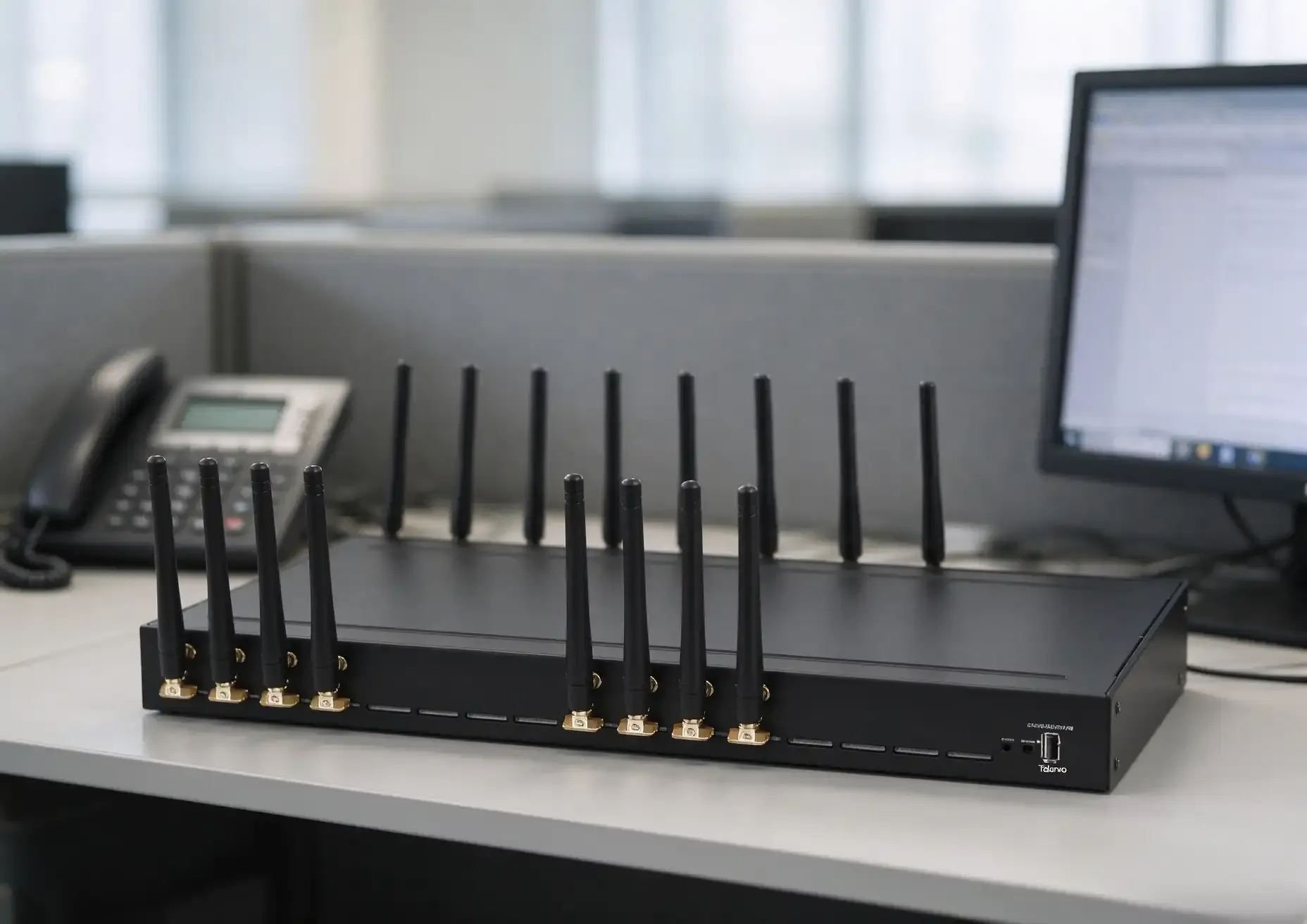
SMS Gateway SIM Pool for Operators: Boost Delivery, Cut Costs & Stay Compliant
Compare SIM pool gateways, single-SIM setups, and cloud SMS APIs. See how an SMS gateway SIM pool for operators solves OTP delays and alert failures.
SMS Gateway Real-Time Send and Receive: How Telarvo Enables Real-Time SMS Sending and Receiving
This article directly explains the meaning of SMS gateway real-time send and receive, and describes the hardware architecture, SIM card routing, IP network connectivity, and SMPP and HTTP API access methods of the Telarvo TGW SMS Gateway.
How Local 2G/4G Gateways Improve SMS Gateway Uptime Reliability (2026 Buyer Guide)
Compare SMS gateway uptime and reliability across local 2G/4G hardware and cloud routes. See how grey routes hurt deliverability, plus failover, latency and cross-border compliance tips.