True Cost & ROI of Self-Hosting a Multi SIM SMS Gateway: Installation Steps
📑 Table of Contents
- From $970 to Seven-Figure Revenue
- Don’t Let “High Spec” Kidnap Your Budget
- Payback Math
- The 512-Slot Hammer
- Pitfall Warning
- Decision-Maker Rapid Fire
From $970 to Seven-Figure Revenue: The Real Cost Math Behind Installing a Multi SIM Capacity Gateway
Buying an SMS gateway and actually making money with it are separated by a gap called “deployment.” I’ve seen too many startup teams spend thousands on a 512-slot SK VoIP Gateway 32-512 (voice and SMS combined), then let it collect dust in the rack for three months because nobody knew how to configure SIP trunking and SIM load balancing. Installation isn’t just a technical task—it’s the starting line for monetization. Per GII Research’s A2P SMS market analysis, the global A2P SMS market was valued at roughly $52.28 billion in 2025 and is projected to reach $65.05 billion by 2031, a 3.71% CAGR. The market is growing, but your per-message cost determines how much of that growth you capture.
Don’t Let “High Spec” Kidnap Your Budget: Start with the 16-128
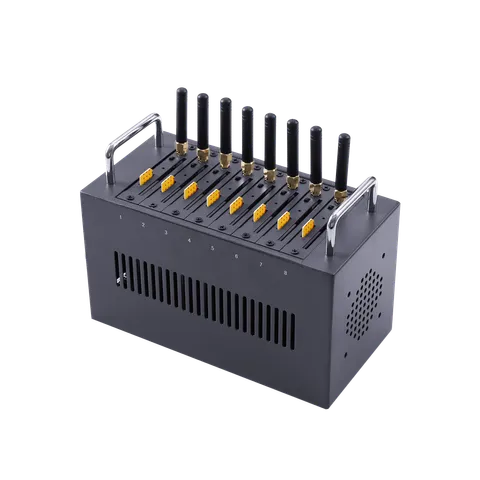
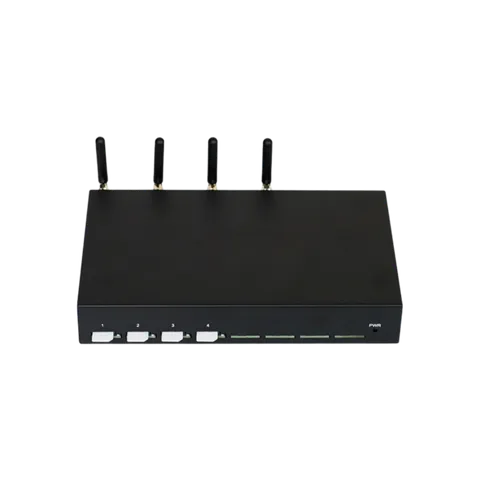
If you’re just entering SMS marketing, jumping straight to a 64- or 128-port device may not be optimal. Take Telarvo’s SK-SMS 16-128—$970 gets you 128 slots and solid per-minute throughput. For a first-time operator, the point of installing this device is to “close the commercial loop.” You don’t need a complex rack. One Ethernet cable, a stable power supply, and properly configured auto-rotation rules are enough.
At this install stage, you’re saving not just hardware cost but trial-and-error cost. Connect your SMS marketing platform via HTTP API, set a send interval (say, 20 messages per card per hour), and the device automatically helps you dodge carrier risk control. Per Sinch’s deliverability guide, carrier filtering and network congestion are common causes of undelivered SMS, and peak-period overload (Black Friday, etc.) significantly pushes up latency and failure rates. Sinch also reports that 61% of consumers expect 2FA messages within one minute. That time window is your commercial justification for replacing international long-haul routes with local SIM routing.
Payback Math: Three Variables That Should Drive Your Install Decision
Before you plug anything in, do the arithmetic. The payback cycle hinges on three variables: your monthly send volume, your current per-message cost on an aggregation platform, and your local routing per-message cost after self-hosting. SMSEagle’s online payback calculator offers a clean framework: input monthly volume and current unit price, and see how long it takes saved channel fees to cover hardware cost.
Say you’re paying $0.05 per message through an aggregation platform. At 200,000 messages per month, that’s $10,000 in monthly channel spend. With a Telarvo 64-512 plus local SIM routing, assume blended local cost drops to $0.02 per message (including SIM fees and operational amortization). Monthly spend falls to $4,000. You save $6,000 per month, and the hardware pays back in under half a month. But there’s an easily overlooked variable: SIM card costs themselves. Local SIM monthly fees or prepaid plans vary enormously by country and carrier. When running the math, include SIM procurement, management, and replacement costs—otherwise your payback period will be underestimated.
The 512-Slot Hammer: What Scaled Installation Actually Requires
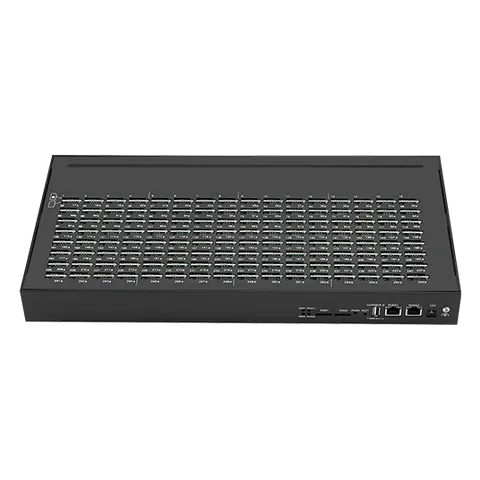
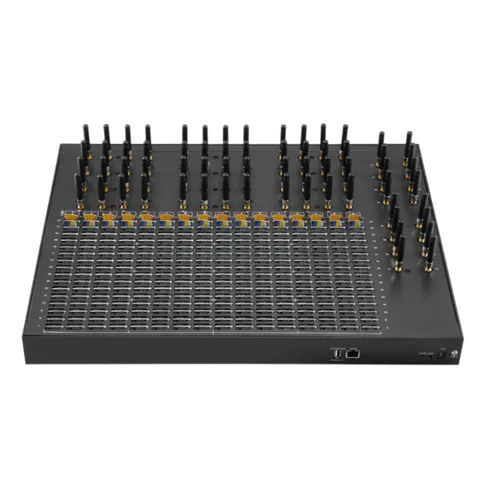
Once your volume stabilizes at hundreds of thousands per day, the real profit comes from squeezing channel costs to the floor. That’s when you look at the 512-slot SK SMS Gateway 64 512. Installing this beast is nothing like a small gateway. Prerequisites are brutal: a large multi-carrier SIM pool, a stable equipment room, and an API system that can handle high concurrency. But once deployed, its 5,440 messages per minute throughput flattens channel latency.
International SMS pricing multipliers are another key cost variable. Per Salesforce’s SMS multiplier documentation, the multiplier for Germany is 75, the UK 31.41, and France 42. Multiply those by the base rate and you get the real per-message cost through an aggregation platform. Local SIM routing uses local numbers to bypass these multipliers entirely.
| Deployment Lens | 16-128 Port ($970 Unit) | 64-512 Port (Flagship High-Density) |
|---|---|---|
| Stage | Business launch, testing local routing | Scaled profitability, chasing ultra-low latency |
| Install Complexity | Very low (desktop, plug-and-play) | Higher (rack, redundant power, pro networking) |
| Monetization Path | Fast API validation, low unit price | Bulk concurrency, kill international route fees |
| Interface Advantage | HTTP API to third-party marketing platforms | SMPP direct to CRM, real-time receipts |
Pitfall Warning: Logistics and Time Cost
When planning your install steps, don’t forget hardware logistics. Telarvo commits to shipping within 2 days and offers DHL/FedEx global logistics. That compresses the entire cycle from order to card insertion. Time is money in a fast-moving marketing market—going live one day earlier means grabbing share one day sooner. But more importantly, payback math can’t View only hardware and channel fees. SMPP/HTTP API integration effort, SIM procurement and management, and day-to-day device monitoring are real hidden costs. If your team lacks basic server ops capability, that labor cost must be factored in.
【About Telarvo】 Telarvo isn’t selling metal boxes. We provide a graduated monetization toolkit from the $970 entry unit to the flagship 512-slot model. We know startup pain points, so every device ships with free sending software and supports fast API integration. We offer 12-month warranty and transparent pricing, so you can calculate every dollar of hardware investment when planning your business blueprint.
⚡ Decision-Maker Rapid Fire
Q1: Budget under $2,000—what do I buy? SK-SMS 16-128, $970. Spend the rest on SIM cards and test traffic. Don’t touch 512 slots yet.
Q2: 500K messages/month—self-host or aggregation platform? Self-host. At $0.04/message, you save $10K/month. Hardware pays back in days. No need to overthink this one.
Q3: Any hidden fees after purchase? No software license fees. The device ships with free sending software, and SMPP/HTTP API are open at no extra cost. The only hidden costs are server electricity and ops labor.
Sources:
- GII Research — A2P SMS Market Size, Share, and Growth Analysis
- Sinch — Master SMS Deliverability
- SMSEagle — Pay-off Calculator
- Salesforce — SMS Multipliers
- Telarvo Blog — Wholesale SMS Gateway Equipment
Published: 2026-10-15 | Last Updated: 2026-10-27 Corrections or feedback: service@telarvo.com
Blog
Learn more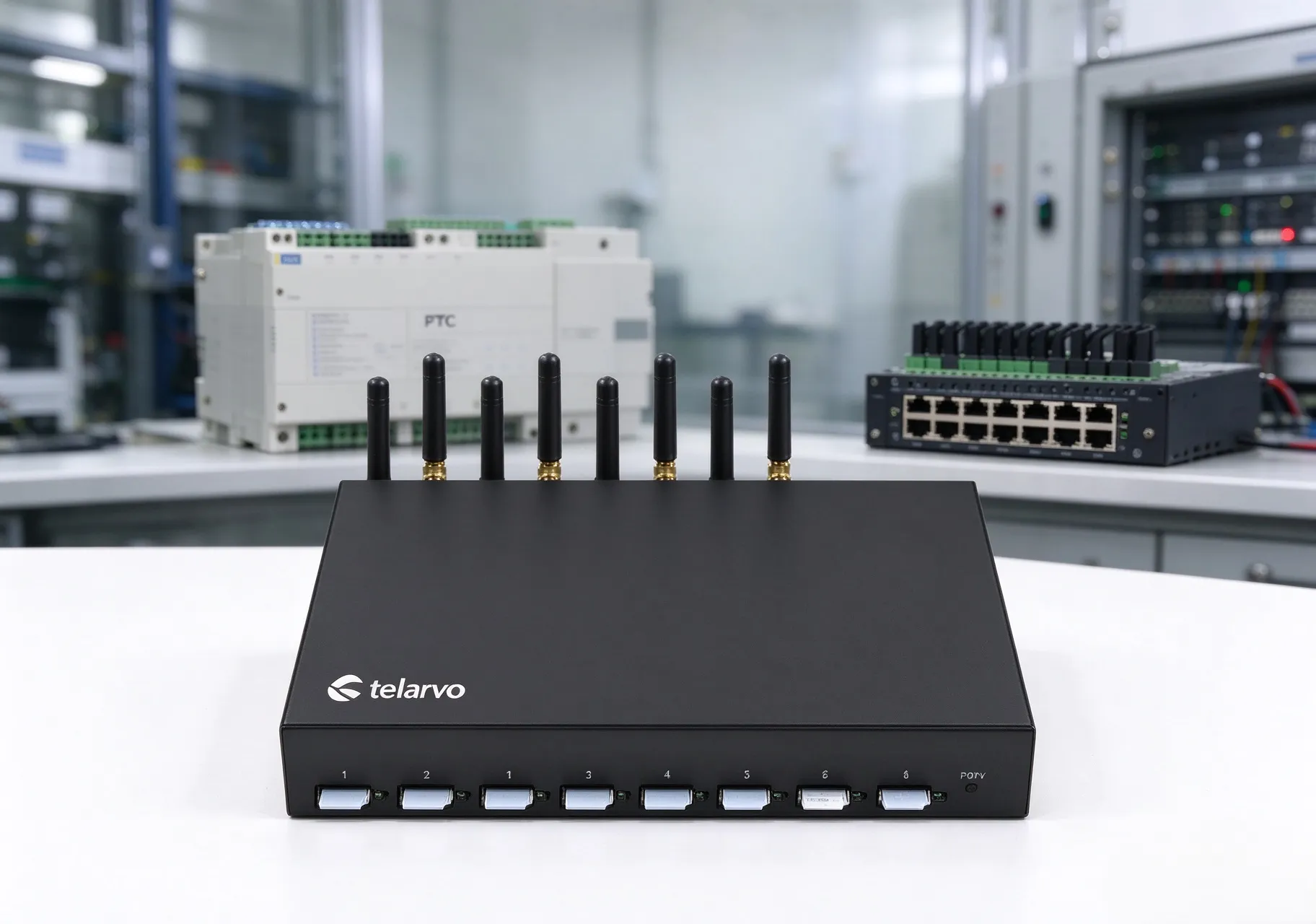
Secure SMS Gateway for Business: 64-Port Deployment Lessons
A real-world retrospective of switching from SMS aggregators to a secure SMS gateway for business. Covers hardware setup, SIM management, API integration, and compliance pitfalls from a 64-port rollout.
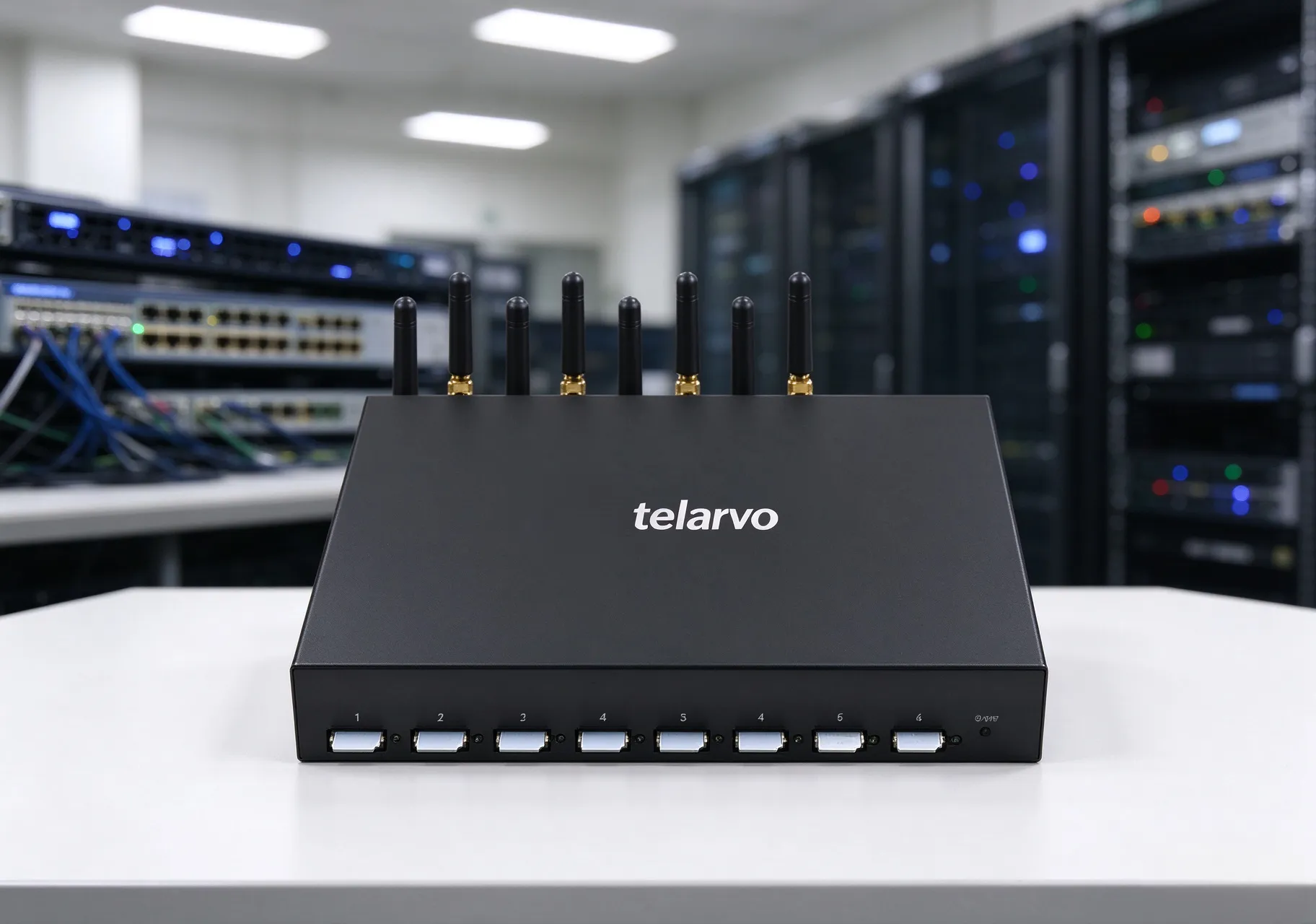
How to Select an Automated SMS SIM Card Pool Provider: Procurement Comparison Between Telarvo and Different Supplier Typ
Compare Telarvo SMS gateway & SIM pool hardware vs modem pools, temporary OTP services, IoT SIM platforms and SMS gateway software for enterprise SMS procurement.
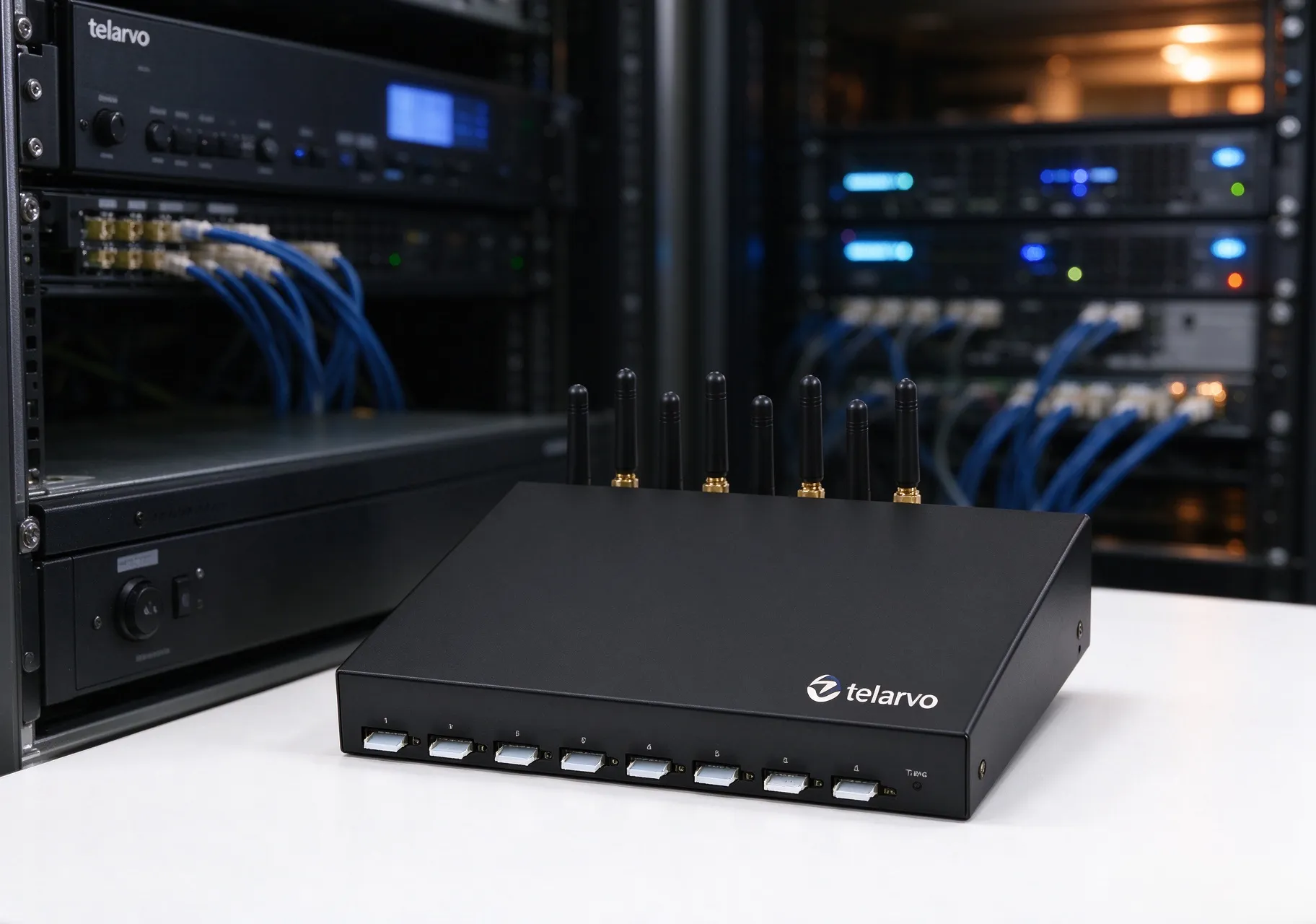
In-House SMS Platform Cost Checklist: Are You Missing These 8 Budget Items?
Cost estimation for building an in-house SMS platform often misses 8 hidden budget items. See hardware, labor, compliance, and infrastructure costs.